





What's Happening?
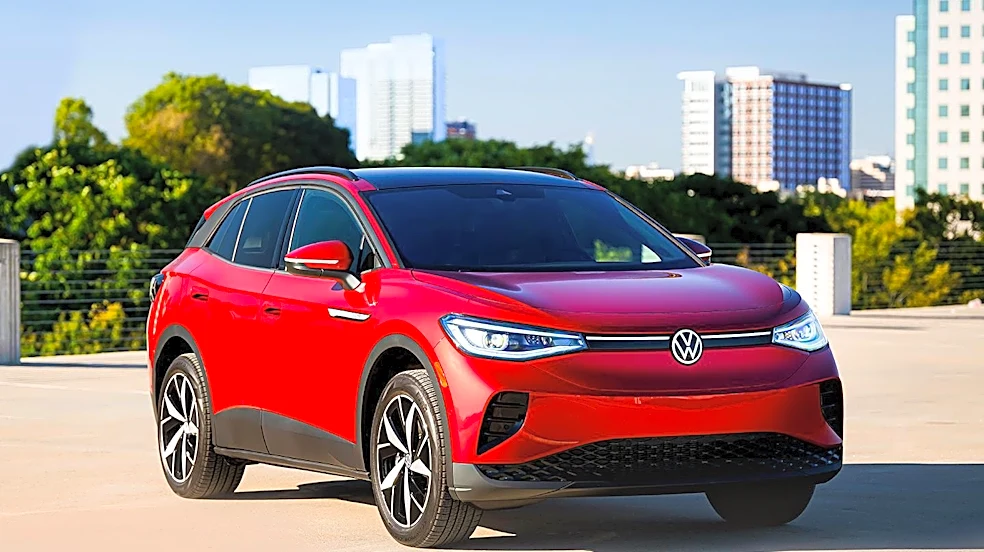
Volkswagen is implementing a temporary 80% charging limit for 22,524 ID.4 electric vehicles in the U.S. due to an ongoing investigation into a potential high-voltage battery defect that could increase the risk of battery fires. The recall affects Volkswagen ID.4 models
from model years 2023-2026, specifically those produced between January 1, 2023, and February 1, 2025, at the Chattanooga, Tennessee plant, utilizing battery cells from SK Battery America in Georgia. According to documents from the National Highway Traffic Safety Administration (NHTSA) and Volkswagen Group of America, the issue may be linked to a specific charging profile combined with the battery's state of charge exceeding 80%. While Volkswagen has not yet determined the precise cause, the 80% limit is a precautionary safety measure. Owners of affected vehicles will receive notifications, and for some, the limit will be automatically enforced via an over-the-air (OTA) software update. Owners may have the option to decline the automatic setting temporarily, but Volkswagen strongly advises adherence to the 80% charging maximum until a permanent solution is available.
Why It's Important?
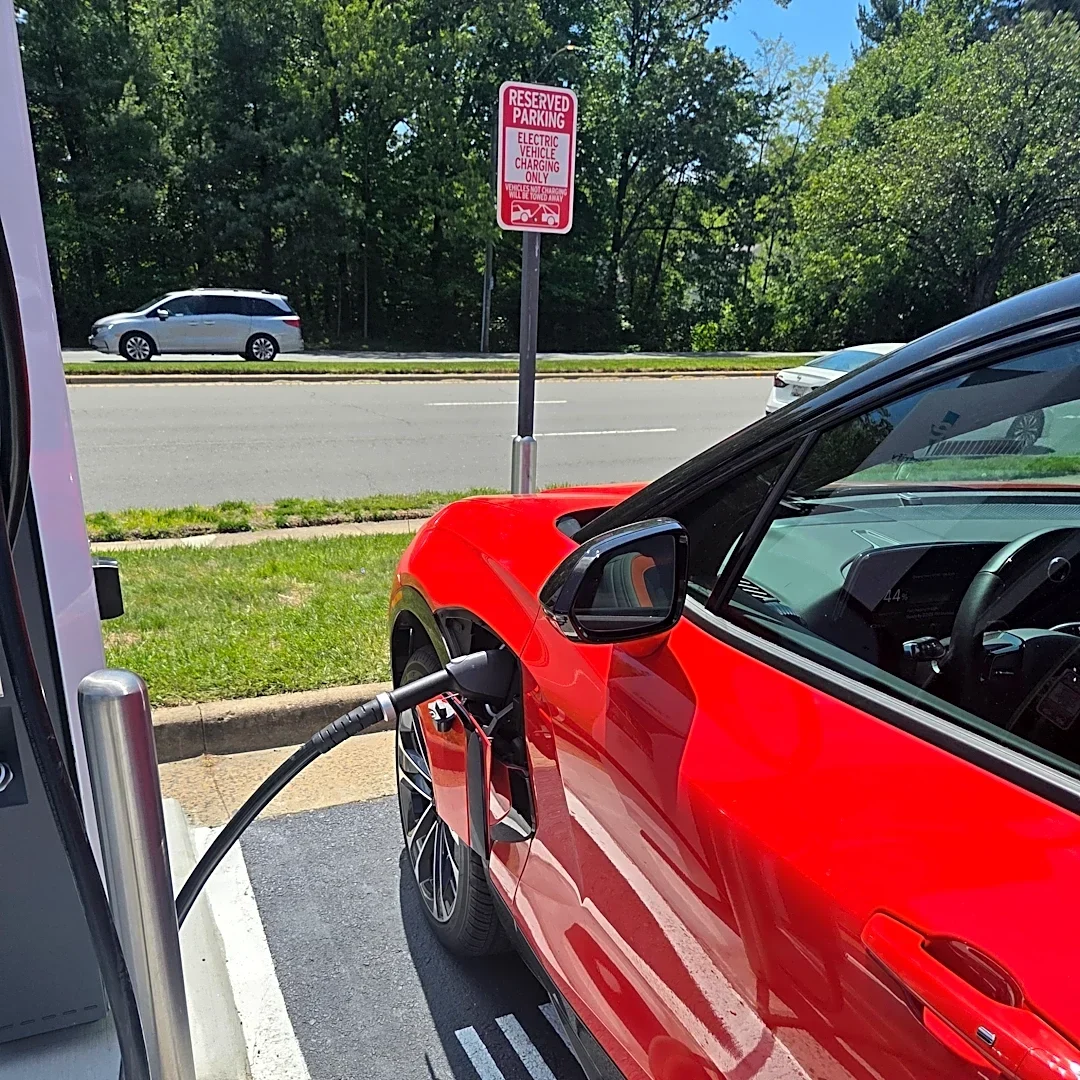
This temporary charging restriction significantly impacts the usability and convenience for thousands of Volkswagen ID.4 owners across the U.S. The immediate consequence is a reduction in the vehicle's effective range, as owners will no longer be able to charge their cars to full capacity. This could particularly affect drivers who rely on the full range for daily commutes or longer trips, potentially requiring more frequent charging stops and increased planning. The situation also raises concerns about consumer confidence in electric vehicle battery technology and safety, especially as the EV market continues to expand. For Volkswagen, this recall and the associated safety concerns could lead to reputational damage and financial costs related to the investigation, software updates, and eventual permanent fixes. The incident highlights the critical importance of battery safety and robust testing protocols in the rapidly evolving electric vehicle industry, impacting both manufacturers and consumers who are increasingly adopting EVs.
What's Next?
Volkswagen is continuing its investigation to identify the root cause of the potential high-voltage battery defect. Until a permanent solution is developed and approved, affected ID.4 owners are advised to adhere to the 80% charging limit. Volkswagen will communicate further instructions and updates to owners as the investigation progresses and a definitive fix is determined. This permanent solution could involve a more comprehensive software update or a physical component replacement, which would likely be performed at dealerships. The NHTSA will continue to monitor Volkswagen's progress and the effectiveness of the interim and final remedies. Owners should expect to receive additional communications from Volkswagen regarding the recall status, any options for declining the automatic software update, and details about when a permanent repair will be available. The company will also likely provide reminder stickers for charging to visually prompt drivers about the limitation.
Beyond the Headlines
This recall underscores the complex challenges and evolving safety standards within the electric vehicle industry. The reliance on sophisticated battery management systems and software updates for safety measures highlights the increasing integration of technology in automotive design. The incident could prompt broader industry discussions and potentially stricter regulatory oversight regarding EV battery safety, charging protocols, and over-the-air update capabilities. Furthermore, it brings to light the supply chain complexities, as the issue involves battery cells from a specific supplier, SK Battery America. This could lead to enhanced scrutiny of battery manufacturing processes and quality control across the EV sector. For consumers, it emphasizes the importance of staying informed about vehicle recalls and understanding the implications of software-based safety interventions, which can directly impact vehicle performance and daily utility. The long-term implications could include a push for more transparent communication from manufacturers about potential risks and the development of more resilient battery technologies.