






What's Happening?
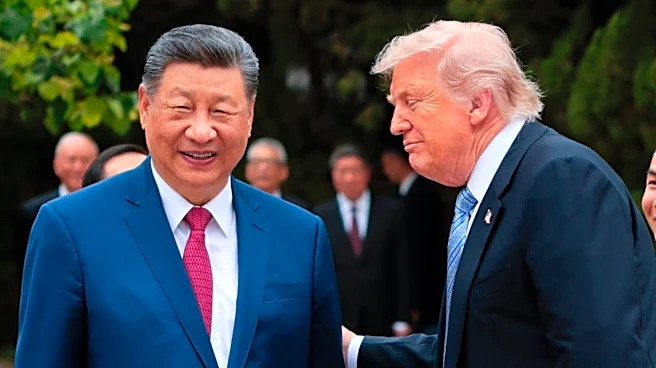
Following meetings between President Trump and Chinese President Xi Jinping in Beijing, the White House announced a series of trade commitments aimed at expanding bilateral commerce, particularly in agriculture. China has committed to purchasing at least
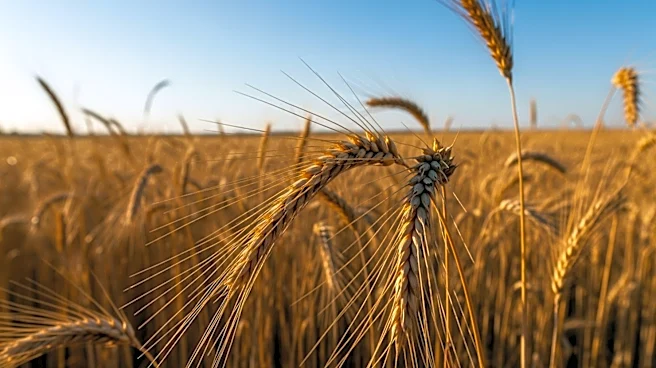
$17 billion annually in additional U.S. agricultural products from 2026 to 2028. This agreement also includes restoring market access for certain U.S. livestock products and implementing reciprocal tariff reductions to facilitate agricultural trade. Two new bilateral boards, the Board of Trade and the Board of Investment, have been established to identify non-strategic goods for tariff elimination and to recommend sectors for Chinese investment in the U.S. without additional Treasury review.
Why It's Important?
The commitments from China could significantly boost demand for U.S. agricultural exports, providing much-needed relief to American farmers and ranchers who have faced tight margins. The restoration of beef and poultry trade access to China opens a major global market for U.S. livestock producers. The establishment of the bilateral boards aims to strengthen economic ties and expand trade, potentially leading to increased economic activity and job creation in the U.S. agricultural sector. However, the long-term impact will depend on the effective implementation and enforcement of these agreements.
What's Next?
The success of these trade commitments will largely depend on how they are implemented and enforced. U.S. farmers and ranchers will be closely monitoring the situation to see if the promised market access and tariff reductions materialize. The newly established boards will begin their work to identify goods and sectors for trade and investment opportunities. Stakeholders in the U.S. agricultural industry will likely advocate for continued oversight and support from the government to ensure that the benefits of the agreement are fully realized.