






What's Happening?
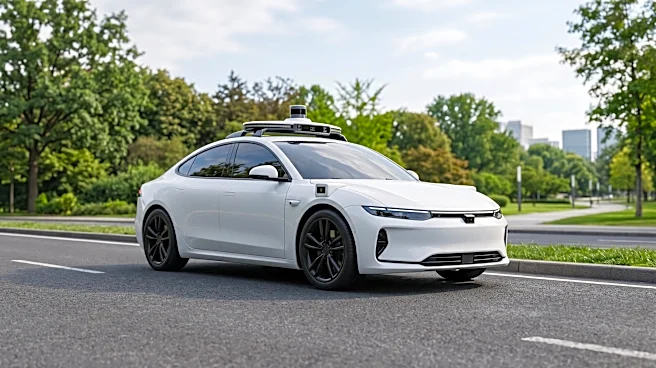
The Raleigh Police Department is in the early stages of evaluating AI-powered self-driving patrol cruisers, a technology that could significantly expand surveillance capabilities. These autonomous vehicles, developed by Policing Lab, a nonprofit, are
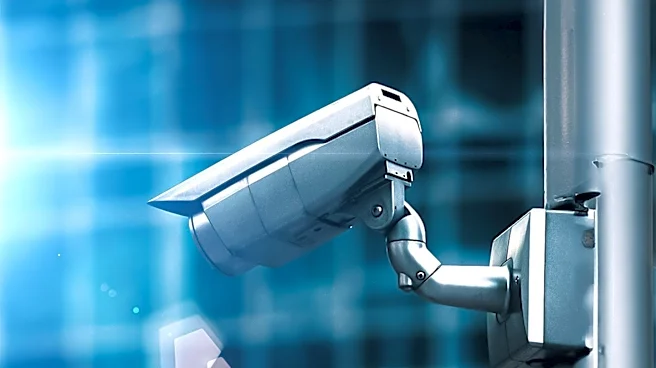
equipped with advanced features including deployable drones, thermal imaging, 360-degree cameras, license-plate readers, audio sensors, and touch-screen windows. The cruisers are designed to follow pre-established routes, act as a visual deterrent to crime, and communicate messages to the community. The Miami-Dade Sheriff’s Office has already received one of these cruisers. The Raleigh Police Department's command staff was presented with this technology in February and is currently monitoring its operation in Miami to understand its potential applications in Raleigh, including on streets and greenways. This initiative is part of a broader trend where law enforcement agencies are exploring AI to expand surveillance without necessarily increasing police forces.
Why It's Important?
The potential adoption of AI-powered self-driving cruisers by the Raleigh Police Department raises significant questions about privacy, equity, and the future of policing in the U.S. While proponents suggest these cruisers could act as a 'force multiplier' and potentially reduce crime by increasing police presence in targeted areas, critics, such as Brandon Morrissey, a Ph.D. candidate in sociology, highlight concerns about expanded surveillance, particularly in historically marginalized communities. The technology's ability to constantly monitor areas could lead to negative psychological impacts on residents who feel perpetually watched. Elizabeth Lane, an associate professor of political science, notes that while these systems raise privacy questions, they may not immediately violate Fourth Amendment rights, comparing them to a remote police officer monitoring an area. However, the reliability of such technology, as seen with past issues in red-light cameras, remains a concern.
What's Next?
The Raleigh Police Department is continuing to gather information and monitor the performance of these self-driving cruisers in Miami. Their evaluation will likely focus on the effectiveness of the technology in crime reduction, community response, and operational challenges. Discussions will also need to address the ethical implications of expanded surveillance, particularly regarding equity and privacy. The department's decision will set a precedent for how other U.S. law enforcement agencies might integrate similar AI-driven technologies. The ongoing debate will involve balancing the perceived benefits of increased security and crime prevention against concerns about civil liberties and the potential for misuse of advanced surveillance tools. Community engagement and policy development will be crucial in shaping the future deployment and regulation of such autonomous policing systems.
Beyond the Headlines
The introduction of AI-powered self-driving cruisers represents a deeper societal shift towards integrating artificial intelligence into public safety and law enforcement. This development highlights the tension between technological advancement and civil liberties, particularly the right to privacy. The ethical considerations extend to how pre-programmed routes might disproportionately affect certain socioeconomic or racial communities, potentially exacerbating existing inequalities in policing. The concept of 'force multiplication' through technology, rather than human personnel, could redefine the role of police officers and community interactions. Furthermore, the reliability and potential for error in AI systems, as noted by Professor Lane regarding facial recognition and red-light cameras, underscore the need for robust oversight and accountability mechanisms to prevent misidentification or unjust enforcement. This trend could lead to a re-evaluation of legal frameworks surrounding surveillance and data collection in the digital age.