



What's Happening?
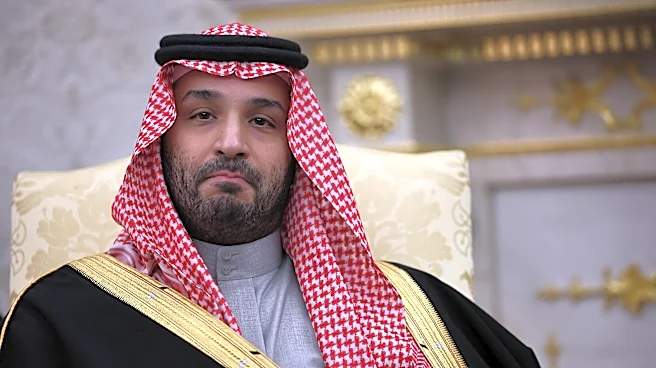
Crown Prince Mohammed bin Salman has been actively engaged in diplomatic consultations, receiving King Hamad bin Isa Al Khalifa of Bahrain in Riyadh on November 10th. This visit coincided with the 23rd session of the GCC Joint Defence Council in Manama,
Bahrain, where defense ministers approved an advanced command post for the GCC Unified Military Command in Kuwait. GCC Secretary-General Jasem Mohamed Al Budaiwi cited 'Iranian attacks on member states' as the context for this decision. The meeting between Crown Prince Mohammed bin Salman and King Hamad focused on strengthening bilateral ties, expanding cooperation, and discussing regional developments to bolster stability and security. The King of Bahrain's visit is part of a pattern of wartime diplomatic engagements in Riyadh, which have also included visits or calls from Iraq's prime minister, Syria's president, French President Macron, and Canadian Prime Minister Carney in the same period.
Why It's Important?
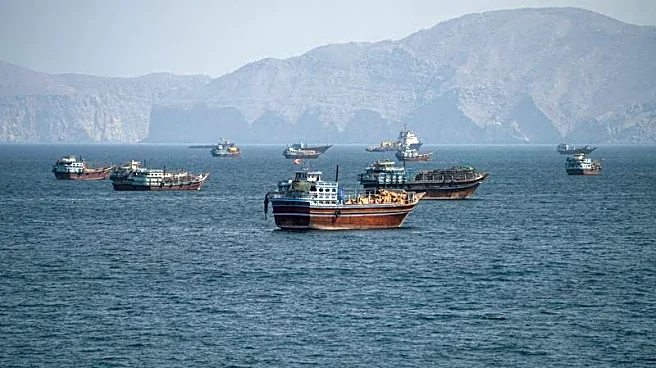
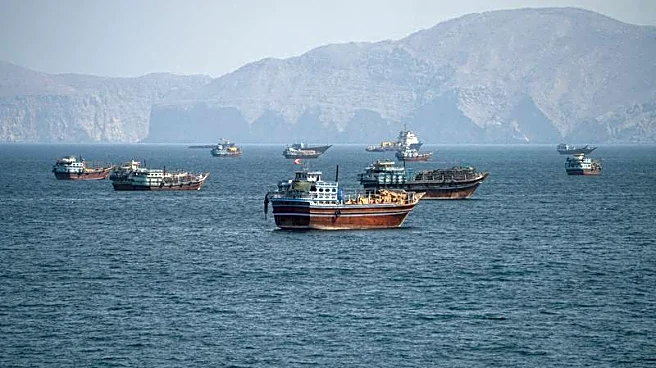
These diplomatic engagements underscore the heightened security concerns in the Gulf region, particularly in light of ongoing Houthi attacks and perceived threats from Iran. The approval of a new command post in Kuwait by the GCC Joint Defence Council signifies a concerted effort by Gulf states to enhance their collective defense capabilities and deter potential aggression. For the U.S., which maintains a significant military presence in the region, including the Fifth Fleet headquarters in Bahrain, these developments are critical. Increased regional stability and coordinated defense efforts among Gulf allies can contribute to broader U.S. strategic interests in counter-terrorism and maintaining freedom of navigation in vital waterways like the Strait of Hormuz. The discussions on expanding cooperation and bolstering security reflect a shared understanding among regional leaders of the need for a unified front against common threats, impacting regional power dynamics and potentially influencing future U.S. foreign policy decisions in the Middle East.
What's Next?
The establishment of the advanced command post in Kuwait will proceed, aiming to strengthen the GCC's unified military command and enhance deterrence against regional threats. Further diplomatic engagements and security coordination among GCC members and their allies are expected to continue. The focus will likely remain on addressing navigation threats in the Strait of Hormuz and Bab al-Mandeb, as called for by the Saudi cabinet. The ongoing Houthi attacks on Saudi infrastructure and the broader U.S.-Iran conflict will continue to shape regional security priorities. The U.S. and other international partners will likely monitor these developments closely, potentially offering further support or engaging in joint military exercises to reinforce regional security. The long-term effectiveness of these coordinated efforts will depend on sustained political will and the ability to integrate diverse military capabilities among the allied nations.
Beyond the Headlines
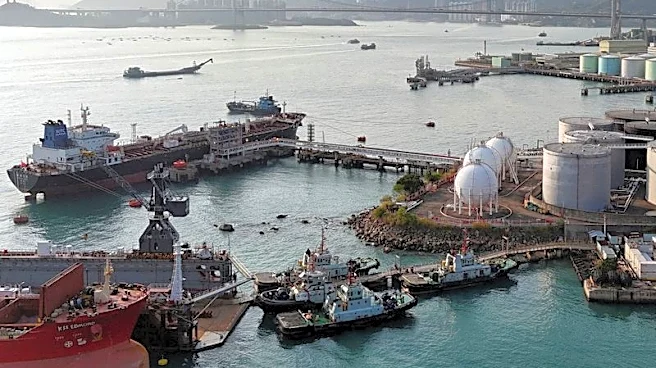
The diplomatic activities surrounding Crown Prince Mohammed bin Salman highlight the complex web of alliances and rivalries in the Middle East. The explicit mention of 'Iranian attacks' by the GCC Secretary-General indicates a clear perception of threat that drives much of the regional security architecture. This situation also brings to light the delicate balance between national sovereignty and collective security, as evidenced by Bahrain's refusal to attend collective meetings with Iran prior to diplomatic restoration, while simultaneously hosting a critical U.S. naval base. The pattern of wartime visits to Riyadh suggests Saudi Arabia's central role in coordinating regional responses to security challenges. This continuous engagement underscores the enduring importance of personal diplomacy and bilateral relationships in shaping geopolitical outcomes, often complementing or even preceding multilateral initiatives. The strategic implications extend to global energy security and international trade, given the region's critical role in oil and gas supply routes.