






What's Happening?
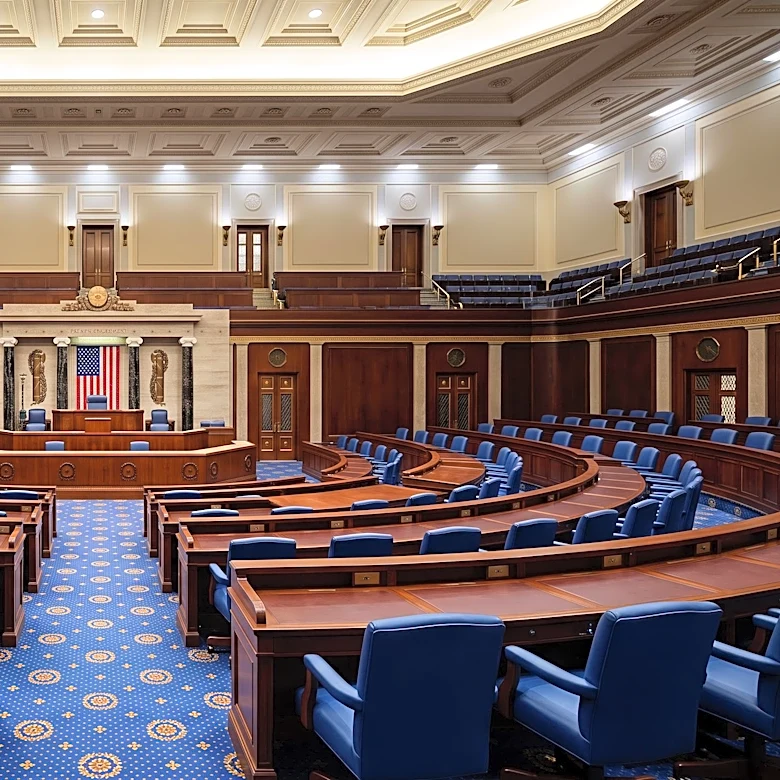
Two bipartisan bills aimed at supporting the health and well-being of pilots and air traffic controllers have successfully passed the U.S. Senate. These legislative pieces, co-led by U.S. Senator John Hoeven (R-ND) and U.S. Senator Tammy Duckworth (D-IL),
now advance to the U.S. House of Representatives for further action. The John A. Hauser Mental Health in Aviation Act seeks to modernize the Federal Aviation Administration’s (FAA) approach to mental health and medical certification for aviation professionals. Concurrently, the Aviation Medication Transparency Act of 2026 mandates the FAA to provide clear, user-friendly guidance on medications deemed safe for individuals requiring an FAA Medical Certificate. The passage of these bills by unanimous consent in the Senate underscores a shared commitment to addressing critical issues within the aviation workforce, particularly concerning mental health stigma and medication clarity.
Why It's Important?
These bills are crucial for the U.S. aviation industry, which faces a significant shortage of qualified pilots and air traffic controllers. The current FAA regulations and processes have created barriers, including bureaucratic delays and a stigma surrounding mental health care, which deter professionals from seeking necessary treatment. By modernizing mental health guidance and streamlining the medical certification process, the John A. Hauser Mental Health in Aviation Act aims to encourage early disclosure and treatment of mental health conditions, ultimately leading to safer skies. The Aviation Medication Transparency Act will prevent aviation professionals from unknowingly jeopardizing their careers by taking unapproved medications, providing much-needed clarity and reducing uncertainty. These measures are expected to improve the retention and recruitment of aviation personnel, ensuring the stability and safety of air travel across the nation.
What's Next?
The two bipartisan bills, having passed the Senate, will now move to the U.S. House of Representatives for consideration. The next step involves the House reviewing and potentially voting on the legislation. Should the House pass the bills, they would then proceed to the President for signature into law. U.S. Senator John Hoeven has expressed confidence that partisan differences will be resolved, and the legislation will ultimately pass this year, potentially after the midterm elections. The successful enactment of these bills would lead to the FAA implementing new guidelines for mental health care access and medication transparency, impacting thousands of pilots and air traffic controllers nationwide. Stakeholders, including various aviation associations and pilot groups, have endorsed this legislation, indicating broad support for its objectives.
Beyond the Headlines
Beyond the immediate impact on aviation professionals, these bills address a broader societal challenge: the stigma associated with mental health in high-stress professions. By explicitly aiming to reduce this stigma within the aviation industry, the legislation could serve as a model for other sectors where mental health concerns are often overlooked due to professional repercussions. The emphasis on transparent medication guidance also highlights the need for clear, accessible information in regulated fields, ensuring that professionals can make informed decisions without fear of career jeopardy. This legislative effort reflects a growing recognition of the interconnectedness between employee well-being, operational safety, and workforce stability, setting a precedent for how critical industries can better support their personnel while maintaining high safety standards.