




What's Happening?
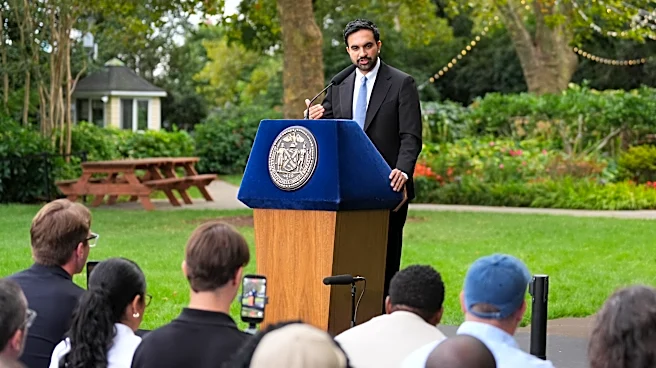
Queens Community House (QCH) has officially unveiled its newly renovated kitchen at the Forest Hills Community Center on September 17. This significant public investment aims to enhance food services and create employment opportunities for young adults
in the workforce. The project involved expanding and modernizing the kitchen space, incorporating commercial-grade cooking equipment, a new walk-in refrigerator and freezer, and enlarged food storage and preparation areas. Additionally, the renovation included dedicated food pantry storage, a new loading and storage area, energy-efficient upgrades, and enhanced fire-safety systems. The kitchen has also been outfitted as a flexible teaching space. The new facility will serve as a training site for the culinary track of QCH’s Community Resources for Employment Development (CRED) program, which is funded by the NYC Department of Youth and Community Development. Young adults currently enrolled in the CRED culinary program were given a tour of the new kitchen during the celebration. The renovation was made possible through a $1 million investment from Queens Borough President Donovan Richards and a collective $3 million secured by state senators and assembly members.
Why It's Important?
The renovation of the Queens Community House kitchen is important for several reasons, primarily addressing food security and workforce development in the community. For members of QCH’s Forest Hills Older Adult Center, the reopening signifies a return to freshly prepared, on-site meals after nearly two years of catered service during construction, which is crucial for their physical and spiritual nourishment. The kitchen's dual role in providing nutritious meals and serving as a culinary training site directly impacts the well-being and economic prospects of Queens residents. By offering hands-on workforce training, mentorship, and paid internships through the CRED program, QCH is equipping young adults with professional skills and experience that can lead to long-term employment. This initiative helps bridge the gap between education and employment, fostering economic stability for individuals and families. The investment from public partners underscores the recognition of community centers as vital institutions that serve residents throughout their lives, strengthening the social fabric of the borough.
What's Next?
The newly renovated kitchen at the Forest Hills Community Center is expected to immediately resume providing freshly prepared meals for the Forest Hills Older Adult Center, ending the period of catered meal service. The culinary track of QCH’s Community Resources for Employment Development (CRED) program will continue to utilize the expanded and modernized space for hands-on workforce training. Participants in the CRED program will receive up to 24 weeks of paid training and internships, alongside work-readiness and occupational training. This ongoing program aims to connect participants with local businesses for employment opportunities. QCH leadership, along with elected officials and community members, will likely continue to monitor the program's success and its impact on both food access and employment rates in the community. The center anticipates that the kitchen will serve as a long-term resource, nourishing neighbors and creating opportunities for young people for years to come.
Beyond the Headlines
Beyond the immediate benefits of improved food services and job training, the renovated kitchen at the Forest Hills Community Center represents a deeper commitment to community resilience and social equity. The project highlights the critical role of public investment in supporting local institutions that address fundamental needs. By creating a flexible teaching kitchen, QCH is not only providing culinary skills but also fostering a sense of community and belonging, bringing generations together under one roof. This initiative also underscores the growing recognition of the importance of vocational training as a pathway to economic empowerment, particularly for young adults. The collaboration between QCH and various government entities, including the NYC Department of Youth and Community Development, demonstrates a holistic approach to community development that integrates social services with economic opportunities. This model could serve as a blueprint for other communities seeking to address food insecurity and unemployment simultaneously, promoting long-term stability and growth.