




What's Happening?
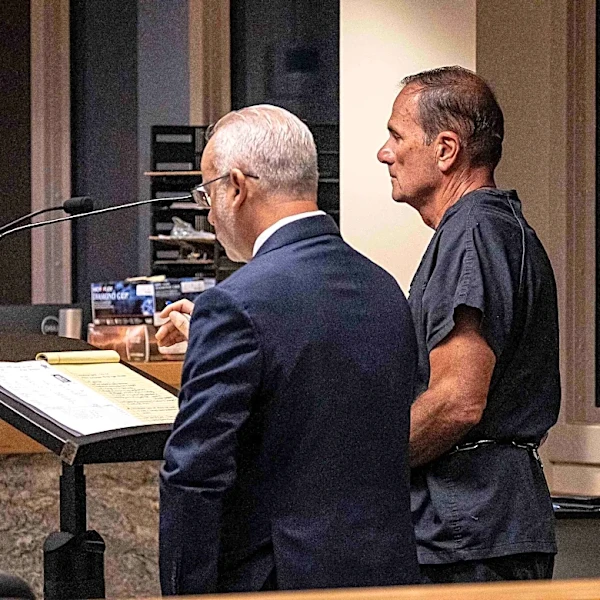
Joseph Charles Henrichsen and his son, Phoenix Henrichsen, have pleaded not guilty in federal court in Sacramento to charges of kidnapping federal employees and other felony counts. The charges stem from an incident on July 16, when two U.S. Forest Service
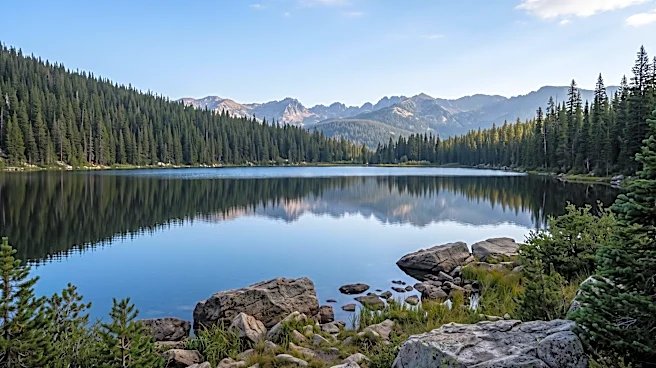
biologists were allegedly abducted at gunpoint by Charles Henrichsen at Gumboot Lake in the Shasta-Trinity National Forest. Authorities allege Charles Henrichsen, armed with an AR-15-style assault rifle, zip-tied the biologists' wrists and held them in his camping trailer. He later drove one biologist in her Forest Service truck, making calls to a Forest Service ranger and leaving a message stating he had taken two federal biologists hostage and wanted to speak with an FBI investigator. The standoff involved a large law enforcement response, including local SWAT teams, snipers, and over 50 FBI officers, culminating in the release of the biologists after approximately 15 hours and the surrender of the Henrichsens. Charles Henrichsen's defense attorney, Mia Crager, stated her client intended no harm to the biologists, who reportedly suffered no major injuries.
Why It's Important?
This incident highlights growing concerns about lawlessness and the erosion of management on U.S. public lands, particularly in remote areas. The alleged kidnapping of federal employees underscores the potential dangers faced by government workers performing their duties in under-resourced national forests. The Forest Service has experienced significant staffing reductions, with a reported 20% decrease in personnel nationwide since last year, and a quarter reduction in permanent staff in the Shasta-Trinity forest, excluding firefighting roles. This decline in resources contributes to a perceived lack of oversight and enforcement, making such areas more susceptible to illicit activities and confrontations. The event also brings to light the challenges of managing individuals with histories of erratic behavior and mental health issues in these remote settings, as Charles Henrichsen had been released from a psychiatric hospital prior to the incident. The case could prompt a reevaluation of security protocols for federal employees working in isolated public lands and potentially lead to increased funding or policy changes for the Forest Service.
What's Next?
Joseph Charles Henrichsen and Phoenix Henrichsen will proceed with their legal defense in federal court, facing charges that carry the prospect of life in prison. The FBI's investigation into the incident is ongoing, and further details regarding Charles Henrichsen's specific demands during the hostage crisis may emerge. The case could lead to increased scrutiny of staffing levels and resource allocation within the U.S. Forest Service, potentially prompting calls for greater investment in law enforcement and management on public lands. Stakeholders, including environmental groups and public land advocates, may advocate for policy changes to address the perceived lawlessness and ensure the safety of both federal employees and the public. The outcome of the trial could also influence how similar incidents are handled in the future and may lead to enhanced safety training and security measures for federal biologists and other personnel working in remote areas.
Beyond the Headlines
The incident at Gumboot Lake reflects a deeper societal tension regarding the use and management of public lands, particularly in regions with strong sentiments of independence and anti-government views. The reported decline in Forest Service personnel, partly attributed to efforts to reduce the federal workforce, suggests a broader shift in how public lands are overseen. This reduction in presence can foster an environment where rules are disregarded, leading to increased graffiti, litter, and hostile encounters, as noted by local ecologists and trail crews. The case also touches upon the complex intersection of mental health, individual rights, and public safety in remote settings. The defense's assertion that Charles Henrichsen intended no harm, despite the use of an assault rifle and zip ties, highlights the challenges in understanding motivations in such incidents. The event may trigger discussions about the balance between public access to natural spaces and the need for adequate law enforcement and mental health support in these areas, especially as informal settlements and a sense of lawlessness appear to be growing.