






What's Happening?
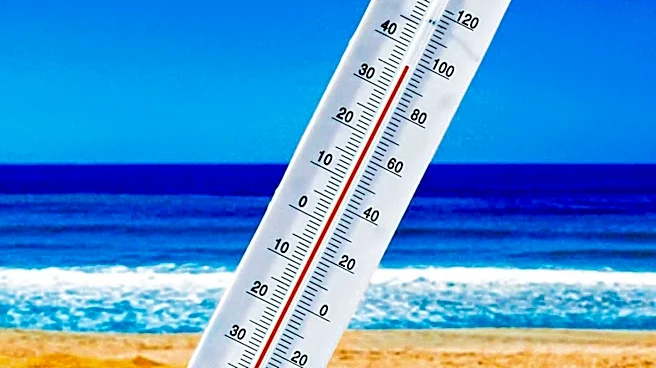
Residents of Ashlyn Park Apartments in McColl, Marlboro County, are experiencing dangerously hot conditions due to persistent air conditioning outages. Several tenants have reported that their AC units have been non-functional for weeks, with indoor temperatures
reaching as high as 94 degrees Fahrenheit. Tasia Lloyd stated she often leaves her apartment during the day to escape the heat, as fans only circulate hot air. Justin Grooms, a father of two, expressed frustration over his AC being out for approximately a month. Another tenant, who wished to remain anonymous, highlighted the particular difficulty for her three disabled children, forcing her to purchase two additional AC units. Tenants have submitted multiple work orders for repairs, but the issues remain unresolved. Additionally, some residents, like Carol Goins, have raised concerns about potential black mold on ceilings and walls, which Goins believes has impacted her breathing, requiring her to use four inhalers. ABC 15 reached out to the company managing Ashlyn Park Apartments but received no response as of Wednesday evening.
Why It's Important?
This situation highlights significant tenant rights and public health concerns, particularly during periods of extreme summer heat. The lack of functional air conditioning can pose serious health risks, especially for vulnerable populations such as children, the elderly, and individuals with disabilities, potentially leading to heatstroke and other heat-related illnesses. The reported presence of mold further exacerbates health concerns, potentially causing respiratory issues and other adverse health effects for residents. The failure of property management to address these critical maintenance issues, despite repeated requests, underscores potential lapses in landlord responsibilities under state law. While South Carolina's Residential Landlord and Tenant Act mandates landlords maintain essential services like heating, the duty to maintain supplied air conditioning units in good working order is generally implied. This situation could lead to legal challenges regarding habitability standards and tenant welfare, impacting the reputation of property management companies and potentially prompting greater scrutiny from housing authorities.
What's Next?
Tenants at Ashlyn Park Apartments are seeking immediate repairs to their air conditioning systems and resolution of mold issues to ensure safe and comfortable living conditions. The lack of response from the property management company suggests that residents may need to pursue further avenues for recourse, potentially including legal action or contacting local housing authorities and tenant advocacy groups. These organizations could help mediate disputes, inform tenants of their rights, and pressure the landlord to comply with maintenance obligations. Public attention from news reports may also prompt intervention from local government officials or health departments to investigate the living conditions and enforce compliance with housing codes. Depending on the severity and duration of the issues, tenants might explore options such as withholding rent in escrow, as permitted by state law under certain conditions, or seeking lease termination if the property is deemed uninhabitable. The outcome could set a precedent for how similar tenant-landlord disputes are handled in the region.
Beyond the Headlines
The ongoing issues at Ashlyn Park Apartments reflect a broader challenge in affordable housing, where tenants often face difficulties in getting timely and adequate responses to critical maintenance needs. This situation underscores the power imbalance between landlords and tenants, particularly in communities where housing options may be limited. The health implications of prolonged exposure to extreme heat and mold can have long-term consequences for residents, potentially leading to chronic health conditions and reduced quality of life. This incident also brings to light the varying interpretations and enforcement of landlord-tenant laws regarding amenities like air conditioning, which, while not universally mandated, become essential once provided. It highlights the need for clearer regulations or more robust enforcement mechanisms to ensure that rental properties meet basic habitability standards, especially as climate change leads to more frequent and intense heatwaves. The story could also spark discussions about tenant organizing and collective action as a means for residents to advocate for their rights more effectively.