



What's Happening?
Billionaire investor Leon Black has filed a lawsuit against the House Oversight Committee, seeking to prevent the panel from obtaining his non-disclosure agreements (NDAs) and compelling his testimony as part of its investigation into Jeffrey Epstein.
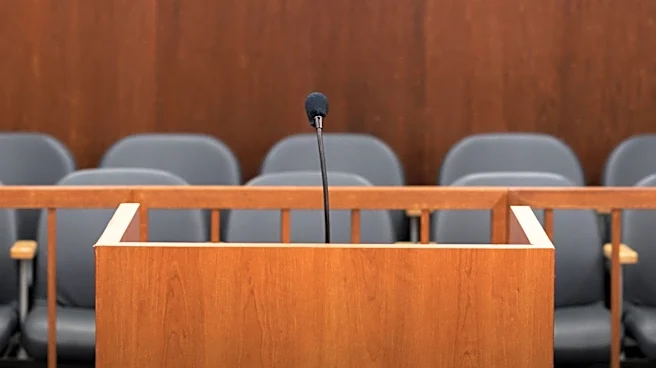
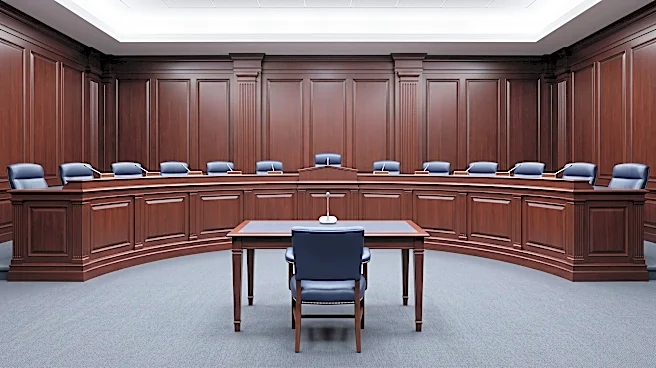
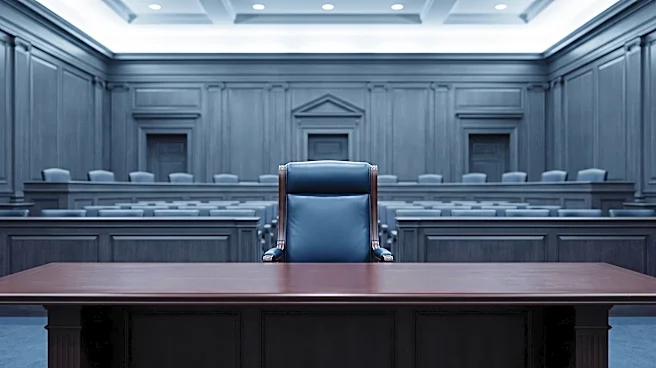
Black's refusal to provide the requested documents and appear for a scheduled deposition marks a significant escalation in the ongoing dispute between Black and the committee. His attorneys argue that the subpoenas are overly broad, lack connection to Epstein, and infringe upon third-party privacy interests, asserting that Congress cannot subpoena documents based on speculative hopes. Consequently, Black did not appear for his deposition, leading to an empty chair at the committee's session. House Oversight Committee Chairman James Comer expressed disappointment and stated he would consult with House counsel regarding next steps, including the possibility of holding Black in contempt of Congress. Representative Robert Garcia, a leading Democrat on the panel, urged immediate contempt proceedings, citing Black's alleged funding of Epstein's activities and accusations of sexual assault against Black himself.
Why It's Important?
This legal challenge by Leon Black against a congressional committee highlights the ongoing tension between congressional oversight powers and individual rights, particularly concerning high-profile investigations. The committee's pursuit of Black's NDAs and testimony is central to understanding the full scope of Jeffrey Epstein's network and the individuals who may have facilitated or benefited from his activities. Black's resistance, if successful, could set a precedent that limits Congress's ability to gather information from private citizens in future investigations, potentially hindering efforts to uncover truth and ensure accountability. Conversely, if the committee prevails, it could reinforce congressional authority in demanding transparency from influential figures. The outcome will significantly impact the public's perception of justice and the extent to which powerful individuals are held accountable for their associations and actions, especially in cases involving serious allegations like sex trafficking.
What's Next?
The immediate next steps involve legal proceedings as Black's lawsuit against the House Oversight Committee unfolds. The committee, led by Chairman James Comer, will consult with House counsel to determine its response, which could include pursuing contempt of Congress charges against Black. Such a move would escalate the conflict, potentially leading to further legal battles and a test of congressional enforcement powers. Meanwhile, the committee's investigation into Jeffrey Epstein's associates will continue, with or without Black's direct cooperation. The legal outcome of Black's lawsuit will likely influence how other individuals connected to Epstein respond to congressional inquiries. Stakeholders, including victims' advocacy groups and the public, will closely watch these developments, as they bear on the broader effort to achieve justice and transparency regarding Epstein's illicit activities.
Beyond the Headlines
This confrontation extends beyond the immediate legal dispute, touching upon fundamental questions of privacy, congressional authority, and the accountability of the ultra-wealthy. The committee's insistence on obtaining NDAs suggests a belief that these agreements may conceal crucial information related to Epstein's network or other illicit activities. The broader implication is how far the legal system and legislative bodies can penetrate the financial and personal dealings of powerful individuals when investigating matters of public interest. This case could also reignite debates about the use and enforceability of NDAs, particularly when they might be perceived as shielding individuals from scrutiny in cases involving serious misconduct. The public's perception of justice and fairness is at stake, as the outcome will signal whether wealth and influence can effectively impede governmental investigations into alleged wrongdoing.