





What's Happening?
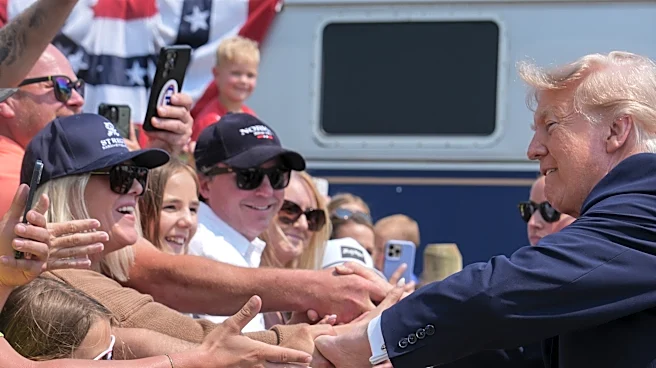
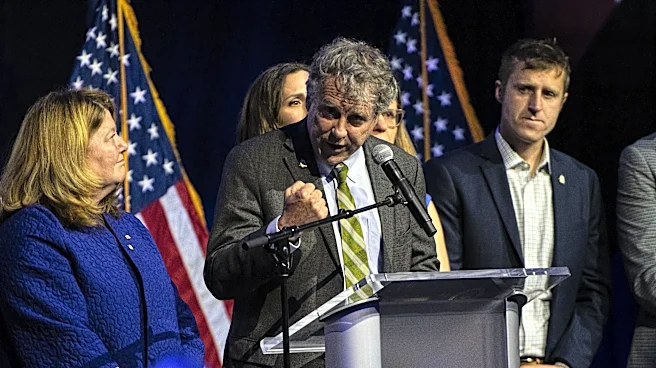
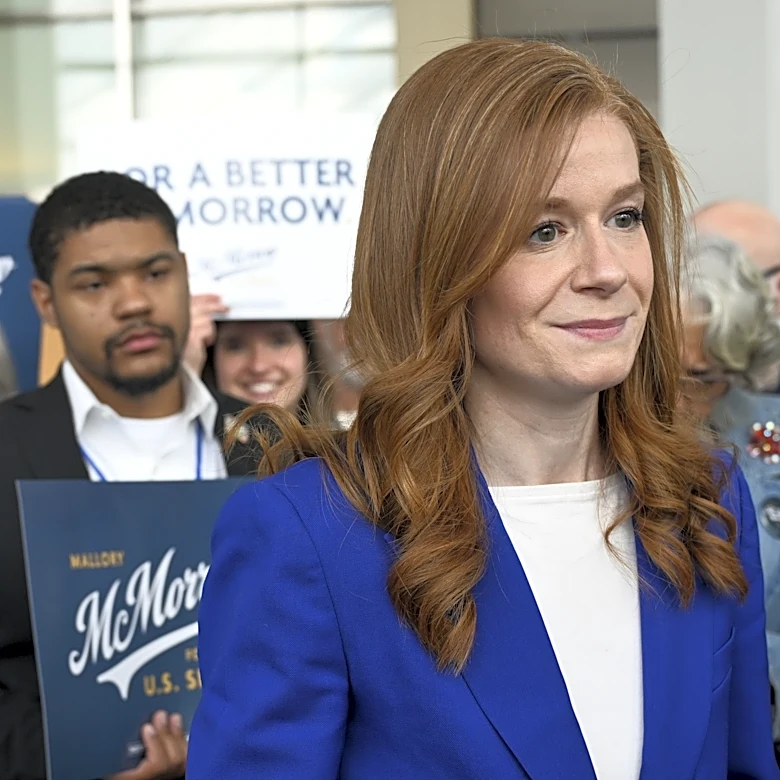
Democrats are increasingly using the word 'fight' in their political rhetoric as they prepare for the 2026 midterm elections. This term has become a central theme in Democratic campaigns, with candidates across the country, from Maine to California, emphasizing
their roles as 'fighters' against the policies of President Trump and the MAGA movement. The use of 'fight' is evident in campaign speeches, town halls, and fundraising efforts, with many Democratic-aligned political action committees incorporating the term into their names. This shift in language reflects a strategic move to resonate with voters who are looking for leaders willing to challenge the current administration and advocate for progressive policies.
Why It's Important?
The adoption of 'fight' as a rallying cry by Democrats signifies a broader strategic effort to galvanize their base and attract voters who are dissatisfied with the current political climate. By positioning themselves as fighters, Democrats aim to differentiate themselves from Republicans and appeal to constituents who feel underserved by the status quo. This rhetoric is not only a response to President Trump's policies but also a reflection of the party's evolution in the face of his administration's challenges. The emphasis on fighting suggests a proactive approach to policy-making and governance, potentially influencing voter turnout and engagement in the upcoming elections.
What's Next?
As the 2026 midterms approach, Democrats are likely to continue refining their messaging to maintain momentum and appeal to a broader electorate. The effectiveness of the 'fight' rhetoric will be tested in swing states and districts where voters may prioritize civility and results over combative language. Democratic strategists will need to balance this rhetoric with concrete policy proposals to ensure it resonates beyond primary voters. The outcome of the midterms could hinge on the party's ability to effectively communicate their vision and demonstrate their commitment to addressing the concerns of everyday Americans.
Beyond the Headlines
The focus on 'fight' highlights a cultural shift within the Democratic Party, emphasizing activism and resistance as core values. This approach may influence the party's long-term strategy, shaping its identity and policy priorities. The rhetoric also raises questions about the role of political language in shaping public perception and engagement. As Democrats continue to embrace this narrative, it will be important to assess its impact on political discourse and the potential for fostering a more polarized political environment.