





What's Happening?
The Sanibel-Captiva Conservation Foundation (SCCF) has launched a new mangrove nursery, marking a significant expansion of its Adopt-a-Mangrove program. This development was highlighted in a recent episode of SCCF’s podcast, “Land. Water. Wildlife.,”
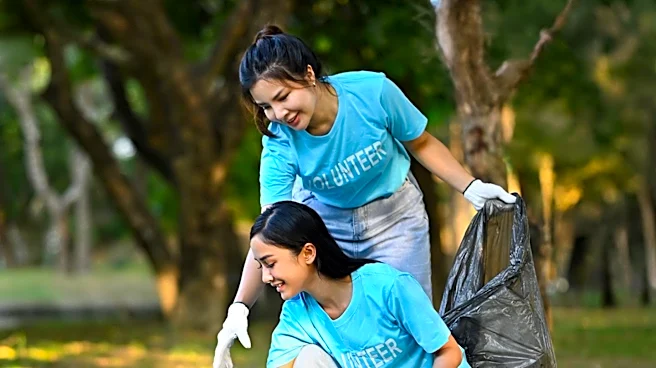
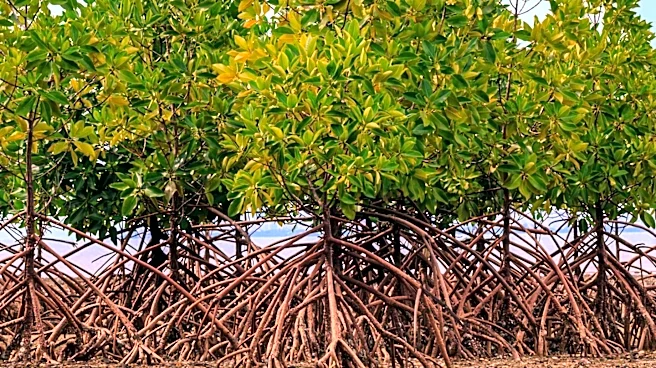
which was recorded live at the nursery. The new facility, supported by the Sanibel-Captiva Rotary Club, will provide dedicated space for growing various mangrove species, including red, black, and white mangroves, and will accommodate educational visits for students and field trips. Skye McDonald Newman, SCCF’s community conservation coordinator, emphasized that the nursery serves as a central hub for their restoration efforts. The Adopt-a-Mangrove program encourages community members to care for mangrove seedlings at home before planting them along shorelines damaged by storms, thereby aiding natural recovery processes. Volunteers, affectionately known as 'mangrove mamas' and 'propagule papas,' play a crucial role in this initiative, contributing directly to the ecological health of Southwest Florida's coastal ecosystems. The program is designed to be accessible, requiring no prior gardening experience, as mangroves are described as resilient and easy to care for.
Why It's Important?
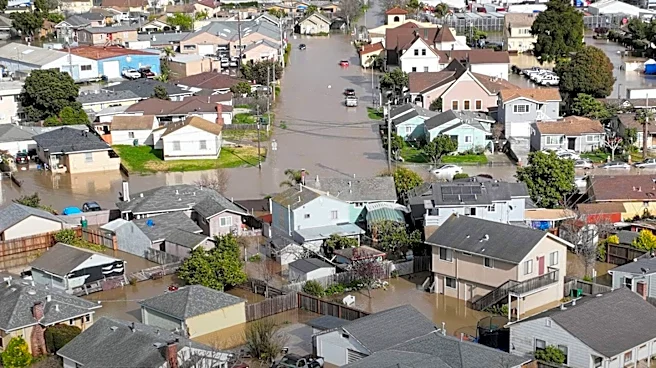
This initiative is vital for the ecological resilience of Southwest Florida, an area highly susceptible to storm damage and coastal erosion. Mangroves are critical to the region's ecosystem, acting as natural buffers against waves, providing essential habitats for young marine life, and helping shorelines recover post-storm. By expanding the nursery and the Adopt-a-Mangrove program, SCCF is directly addressing the need for increased mangrove populations, which are crucial for protecting coastal communities and biodiversity. The program also fosters significant community engagement, transforming local residents into active participants in environmental conservation. This hands-on approach not only contributes to tangible ecological restoration but also raises environmental awareness and stewardship among the public. The involvement of volunteers like Bob Moore, who chairs the SanCap Resilience Coalition, underscores the community-wide recognition of nature-based solutions for shoreline resilience. The success of such programs can serve as a model for other coastal regions facing similar environmental challenges, demonstrating the effectiveness of community-led conservation efforts.
What's Next?
The SCCF plans to continue building out the new mangrove nursery throughout the fall and winter, enhancing its capacity to grow hardier mangroves suitable for challenging restoration sites. The organization will also expand its outreach to welcome more students and educational groups, integrating environmental education with practical conservation work. Community members are encouraged to participate in the Adopt-a-Mangrove program by picking up seedlings in the fall and returning them for planting in the spring. SCCF will continue to host volunteer events, which can be found by searching 'SCCF Volunteer' online or through the Point volunteer app. The 'Land. Water. Wildlife.' podcast will also continue to release bi-monthly episodes, connecting listeners with SCCF scientists and educators and providing updates on ongoing conservation projects. The long-term goal is to significantly increase mangrove coverage along Southwest Florida's coastlines, enhancing natural defenses against future storms and supporting marine ecosystems.
Beyond the Headlines
The SCCF's expanded mangrove program highlights a broader shift towards community-based ecological restoration, where local engagement is seen as integral to environmental sustainability. This model moves beyond traditional conservation efforts by empowering individuals to directly contribute to their local environment, fostering a deeper connection between people and nature. The 'voluntourism' aspect, though not explicitly labeled as such in the source, is evident in the program's design, offering a meaningful way for residents to engage in environmental service. This approach also underscores the importance of local non-profits in driving significant environmental change, often filling gaps where larger governmental efforts may fall short. The success of such initiatives can inspire similar programs in other vulnerable coastal areas, promoting a decentralized yet collective approach to climate resilience and biodiversity preservation. It also subtly challenges the perception that environmental work is solely for experts, demonstrating that everyday citizens can make a substantial impact.