





What's Happening?
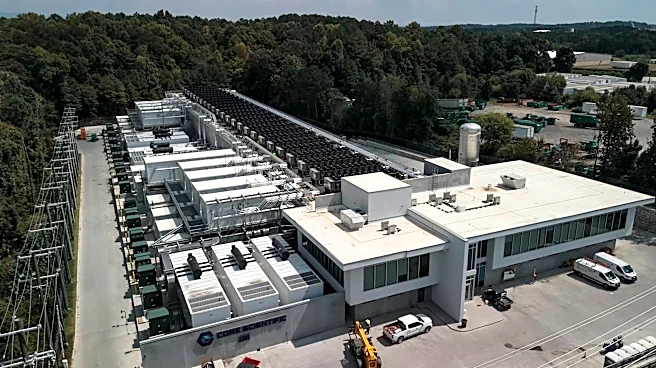
New state reports in Illinois reveal that the increasing electricity demands from artificial intelligence (AI) data centers are hindering the state's efforts to reduce pollution and meet its climate goals. An ambitious law signed by Governor JB Pritzker
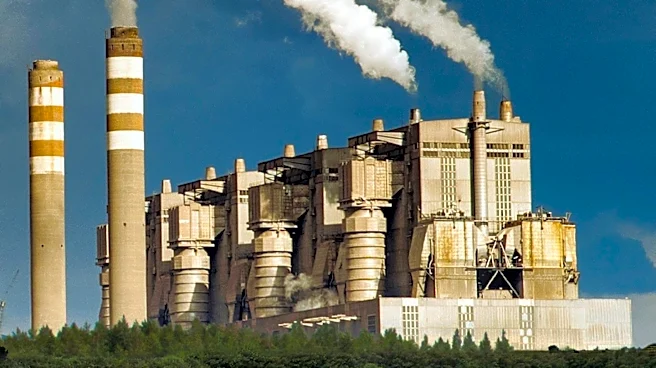
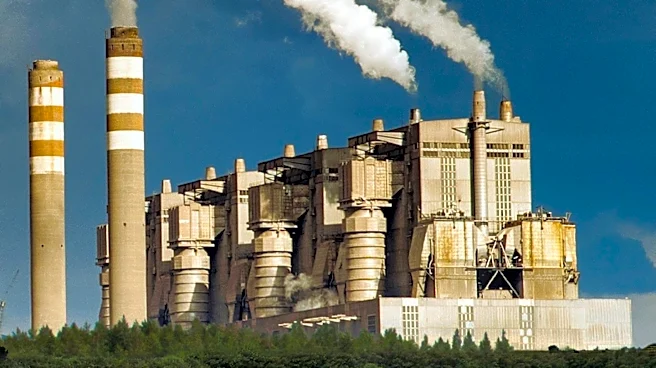
in 2021 aimed to retire all fossil-fuel power plants by 2050. However, the substantial power requirements of these new data centers are making it difficult for Illinois to phase out coal, gas, and oil sources as planned. Environmental and climate advocates have expressed concerns for over a year, as cleaner energy sources like wind and solar farms are not being developed quickly enough to keep pace with the new demands. This situation is problematic for the environment, as fossil fuels produce carbon dioxide, a major contributor to global warming, and also negatively impact public health by causing respiratory issues. The reports suggest that seven coal plants in central and southern Illinois, originally slated for closure, may have extended timelines, and eleven peaker plants, which burn oil or natural gas for backup power, might need to operate until 2033 to prevent blackouts during peak demand.
Why It's Important?
This development is significant for U.S. energy policy and environmental sustainability, particularly in states committed to transitioning away from fossil fuels. Illinois's struggle highlights a growing tension between technological advancement, specifically the expansion of AI infrastructure, and climate objectives. The high energy consumption of AI data centers presents a substantial challenge to decarbonization efforts, potentially forcing states to reconsider or delay their timelines for phasing out fossil fuel-based power generation. This could lead to increased greenhouse gas emissions, undermining national and international climate targets. Furthermore, the continued operation of coal, gas, and oil plants has direct public health implications, contributing to air pollution and related respiratory illnesses. The situation also underscores the need for accelerated investment in and deployment of renewable energy sources and energy storage solutions to meet the rising electricity demands of the digital economy without compromising environmental commitments. If not addressed, this trend could set a precedent for other states facing similar pressures from rapid technological growth.
What's Next?
The state reports recommend that some coal and peaker plants continue operations beyond their original closure dates, with some peaker plants potentially running until 2033. This suggests that Illinois may need to adjust its energy transition strategy to accommodate the unforeseen energy demands of AI data centers. Future actions could include increased incentives for renewable energy development, investments in grid modernization, and potentially new regulations or policies aimed at improving the energy efficiency of data centers. Stakeholders, including environmental groups, energy providers, and technology companies, will likely engage in discussions to find solutions that balance economic growth, technological innovation, and environmental protection. The findings may also prompt other states and the federal government to assess the energy footprint of emerging technologies and develop comprehensive strategies to ensure that technological progress aligns with climate goals.
Beyond the Headlines
The challenge faced by Illinois extends beyond immediate energy policy, touching upon the broader societal implications of rapid technological advancement. The energy demands of AI data centers raise questions about the sustainability of the digital economy and the environmental cost of computational power. This situation could spark a deeper conversation about the ethical responsibilities of technology companies in mitigating their environmental impact and the role of government in regulating energy consumption in the tech sector. It also highlights the complex interplay between economic development, technological innovation, and environmental stewardship. The reliance on fossil fuels to power AI infrastructure could exacerbate energy justice issues, as communities near these plants often bear a disproportionate burden of pollution. Ultimately, this scenario underscores the need for a holistic approach to policy-making that integrates technological foresight with environmental and social considerations to ensure a sustainable future.