






What's Happening?
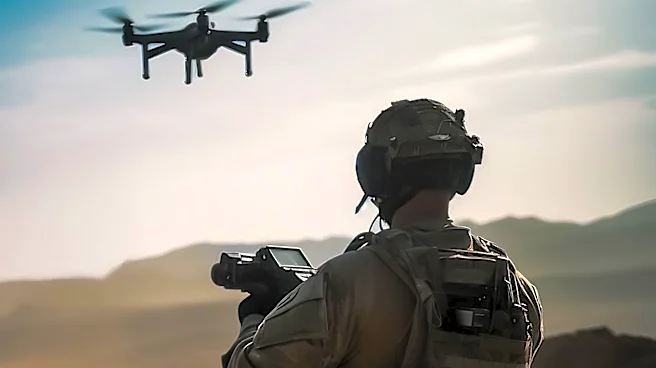
Taiwan is actively strengthening its defense capabilities through increased collaboration with American firms and significant domestic investment in advanced technologies. This strategic push includes leveraging U.S. technical expertise, training, and co-development
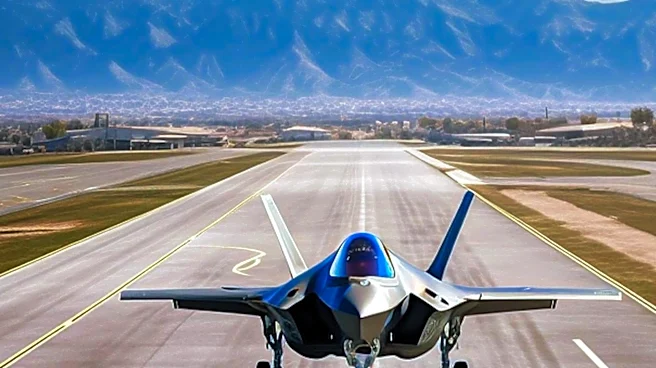
efforts, particularly in unmanned systems and autonomy software. The island nation is also reinforcing its semiconductor industry, which is crucial for modern defense applications. Recent defense reforms in Taiwan are focusing on enhancing institutional resilience and the capacity to sustain war efforts, moving beyond a sole focus on repelling an invasion. This comprehensive approach aims to solidify Taiwan's ties with the U.S. Congress and other allies, ensuring a robust defense posture. The U.S. continues to uphold its established policy towards Taiwan, maintaining deterrent capabilities across the First Island Chain.
Why It's Important?
The strengthening of Taiwan's defense industry, supported by U.S. collaboration, is critical for regional stability and has significant implications for U.S. strategic interests. Enhanced Taiwanese defense capabilities contribute to deterring potential aggression in the Indo-Pacific, a region vital for global trade and security. For U.S. industries, this collaboration opens opportunities for defense contractors and technology firms to engage in co-development and supply chain partnerships, particularly in cutting-edge areas like unmanned systems and AI. Taiwan's robust semiconductor industry, a global leader, is integral to both its defense and the global technology supply chain. Any disruption in the Taiwan Strait could severely impact global semiconductor, AI hardware, and electronics supply chains, making Taiwan's resilience a key economic and national security concern for the U.S. and its allies.
What's Next?
Taiwan is expected to continue its trajectory of increasing defense investment and deepening technological partnerships with the U.S. and other allies. This will likely involve further arms procurement packages from the U.S. and continued advancements in drone procurement funding. Domestically, Taiwan will likely see further integration of its advanced technology sectors, such as semiconductors and communications, into its defense industrial base. The focus on institutional resilience and sustaining war efforts suggests ongoing reforms in military training, logistics, and strategic planning. The U.S. is anticipated to maintain its policy of supporting Taiwan's self-defense capabilities, potentially through continued military aid, joint exercises, and diplomatic engagement, while emphasizing the importance of stability in the Taiwan Strait.
Beyond the Headlines
The ongoing efforts to bolster Taiwan's defense industry extend beyond immediate military preparedness, touching upon broader geopolitical and economic shifts. The emphasis on co-development and technology transfer with U.S. firms signifies a deeper integration of defense industrial bases, potentially creating a more resilient and interoperable defense ecosystem. This collaboration also highlights the strategic importance of Taiwan's technological prowess, particularly in semiconductors, as a critical asset in global security. The focus on 'institutional resilience' suggests a long-term strategy to withstand various forms of pressure, not just military, which could include cyber warfare and economic coercion. This approach could redefine the nature of alliances in the Indo-Pacific, moving towards more integrated and technologically advanced partnerships that leverage each nation's unique strengths.