




What's Happening?
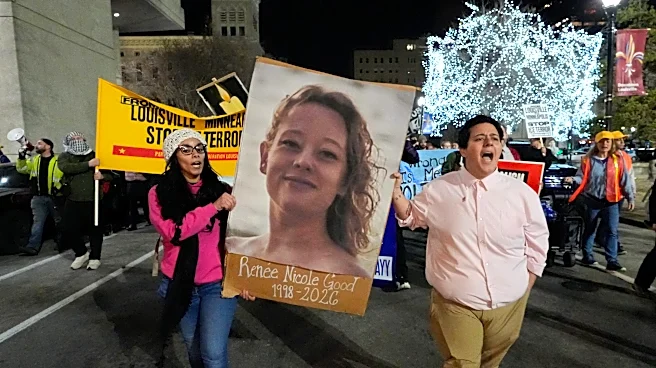
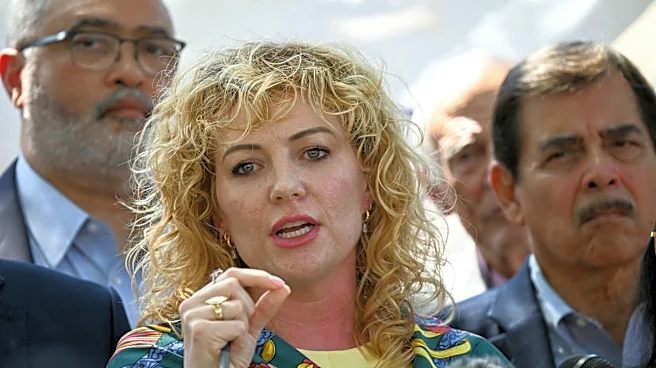
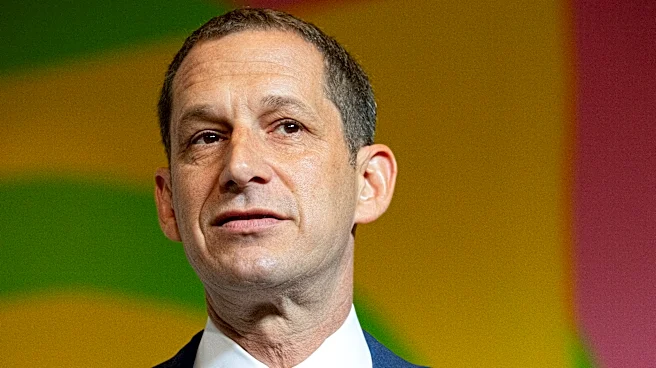
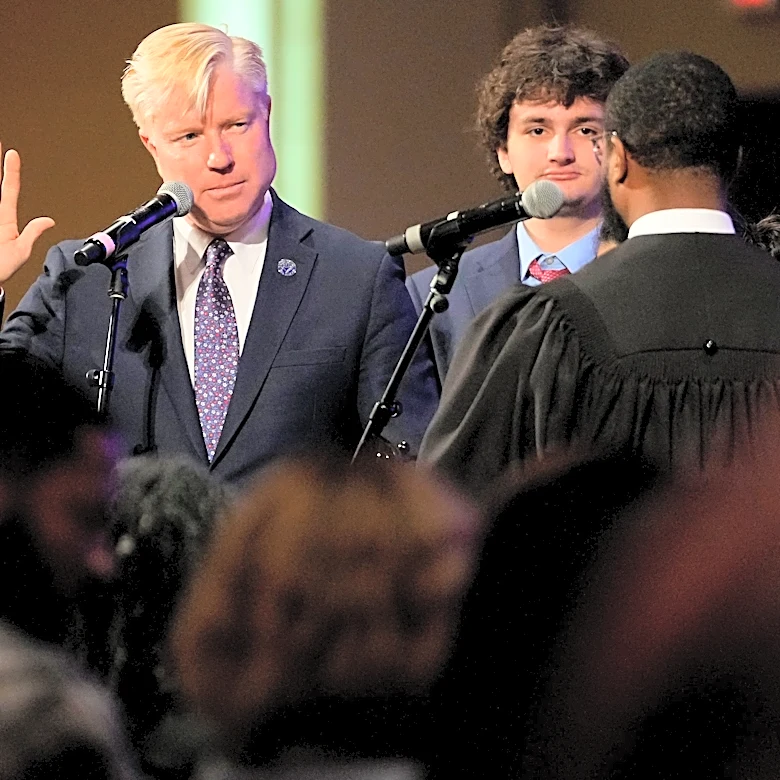
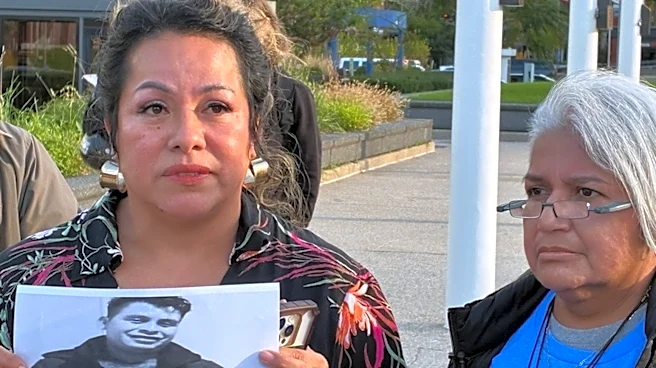
U.S. Senator Richard Blumenthal (D-CT) recently led a forum addressing deadly shootings involving federal immigration agents, featuring testimony from the families of victims. Brent Ganger, brother of Renée Good, who was killed by an ICE agent in Minneapolis,
shared his experience, stating that his sister's death made him realize that no one in the country is untouchable. Senator Blumenthal expressed deep regret and criticized the Department of Homeland Security (DHS) for failing to implement promised changes in its practices following these incidents. He highlighted that despite public outcry and assurances, DHS has repeatedly fallen short of its commitments to reform. The forum underscored ongoing concerns about accountability and operational procedures within federal immigration enforcement agencies.
Why It's Important?
This forum is important because it brings critical attention to the use of force by federal immigration agents and the accountability of agencies like the Department of Homeland Security. The testimony from victims' families humanizes the impact of these incidents and puts pressure on federal authorities to address systemic issues. Senator Blumenthal's criticism of DHS's failure to change practices despite previous promises highlights a potential lack of transparency and reform within a key federal agency. This situation can erode public trust in government institutions and raise questions about the oversight mechanisms in place for law enforcement bodies. For U.S. society, it underscores ongoing debates about immigration enforcement, civil liberties, and the rights of individuals, regardless of their immigration status, when interacting with federal agents.
What's Next?
Following Senator Blumenthal's forum and his strong criticism, increased scrutiny on the Department of Homeland Security's practices regarding the use of force by immigration agents is likely. There may be renewed calls for legislative action or internal reviews within DHS to address the issues raised by victims' families and lawmakers. The ongoing public and political pressure could lead to new policy proposals aimed at enhancing accountability, improving training, and ensuring greater transparency in ICE operations. Additionally, civil society groups and advocacy organizations are expected to continue their efforts to support affected families and push for comprehensive reforms in immigration enforcement. The outcome of these efforts could influence future federal immigration policies and the operational guidelines for agents on the ground.
Beyond the Headlines
The forum led by Senator Blumenthal delves into deeper implications beyond immediate policy changes, touching upon the ethical responsibilities of government agencies and the broader societal impact of federal enforcement actions. The repeated failure of DHS to implement promised reforms, as highlighted by Blumenthal, suggests a potential institutional resistance to change or a disconnect between stated intentions and actual practices. This raises fundamental questions about the balance of power between federal agencies and the public, and the effectiveness of oversight mechanisms. The emotional testimony from victims' families also underscores the profound human cost of these incidents, which can contribute to a climate of fear and distrust within communities, particularly those with immigrant populations. This ongoing tension between enforcement and civil liberties has long-term implications for the social fabric and democratic values of the U.S.