
What's Happening?
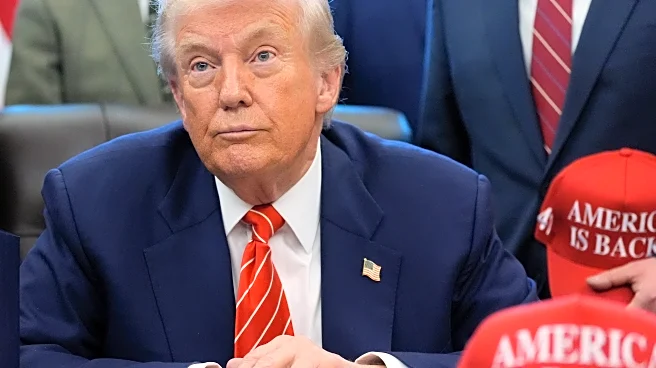
The Trump administration has released a new U.S. National Defense Strategy, marking the first update since 2022. This strategy contrasts with the previous one issued under former President Joe Biden. The new strategy emphasizes
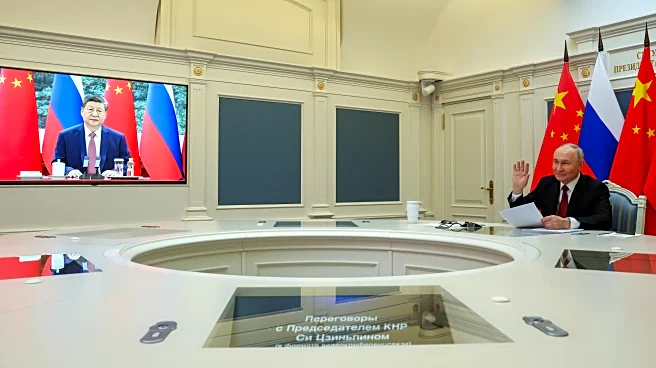
a shift in focus from Europe to the Indo-Pacific region, highlighting China as a primary concern. It outlines a commitment to maintaining a favorable balance of military power in the Indo-Pacific to prevent any single nation, particularly China, from dominating the region. The strategy also underscores the importance of U.S. military and commercial access to key areas in the Western Hemisphere, such as the Panama Canal and the Gulf of America. Additionally, it calls for NATO allies to take more responsibility for European defense, with the U.S. providing critical but limited support.
Why It's Important?
This strategic shift reflects a significant realignment of U.S. defense priorities, with potential implications for global military and economic dynamics. By focusing on the Indo-Pacific, the U.S. aims to counter China's growing influence and ensure access to vital economic regions. This move could lead to increased military presence and alliances in Asia, impacting regional stability and trade. The emphasis on NATO allies taking more responsibility for European defense suggests a potential reduction in U.S. military involvement in Europe, which could alter the balance of power and influence within NATO. This strategy may also affect U.S. relations with countries in the Western Hemisphere, as it stresses the importance of securing U.S. interests in the region.
What's Next?
The implementation of this strategy will likely involve increased diplomatic and military engagement in the Indo-Pacific, including strengthening alliances and partnerships. The U.S. may also seek to enhance its military capabilities in the region to deter potential threats from China. In Europe, NATO allies will need to adjust to their increased defense responsibilities, which could involve boosting their military spending and capabilities. The U.S. will continue to monitor and respond to developments in the Western Hemisphere, ensuring that its strategic interests are protected. These changes may prompt reactions from global powers, particularly China and Russia, as they assess the implications for their own security and influence.
Beyond the Headlines
The strategic shift towards the Indo-Pacific could have long-term implications for global power dynamics, potentially leading to a new era of geopolitical competition. The focus on China as a primary concern reflects broader concerns about its rising economic and military power. This strategy may also influence U.S. domestic policy, as increased military spending and engagement in Asia could impact budget allocations and political priorities. Additionally, the emphasis on NATO allies taking more responsibility for European defense could lead to debates within Europe about military spending and the future of transatlantic relations.