

What's Happening?
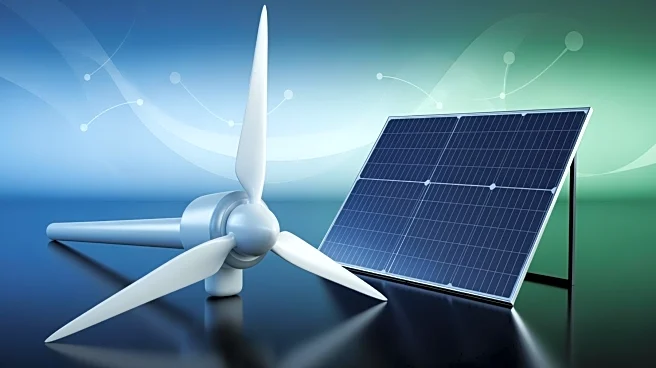
The European Commission has sanctioned a €3 billion state aid initiative by Germany aimed at enhancing the manufacturing capacity for clean technologies. This scheme is designed to support strategic investments in facilities that produce net-zero technologies and
essential components, including the use of secondary raw materials. The initiative also encompasses the production of new or recovered critical raw materials necessary for these technologies. The support will be provided in the form of grants, tax advantages, and interest subsidies or guarantees linked to new loans, and is available to companies throughout Germany. The aid can be awarded until December 31, 2030, under the Clean Industrial Deal State Aid Framework (CISAF), which outlines conditions for EU countries to use public funding to support sectors related to a net-zero economy.
Why It's Important?
This initiative is significant as it aligns with the EU's broader goals of achieving a net-zero economy by enhancing clean technology manufacturing capabilities. By supporting the production of critical raw materials and net-zero technologies, the scheme aims to reduce dependency on non-renewable resources and foster sustainable industrial growth. The financial backing provided through this scheme could stimulate innovation and competitiveness within the clean tech sector, potentially leading to job creation and economic growth. Moreover, it reflects the EU's commitment to environmental sustainability and industrial decarbonization, which are crucial for meeting climate targets and reducing carbon emissions across the continent.
What's Next?
The implementation of this aid scheme is expected to encourage more companies to invest in clean technology production, thereby accelerating the transition to a sustainable economy. As the scheme is open until 2030, it provides a long-term framework for businesses to plan and execute their clean tech projects. The success of this initiative could prompt other EU member states to adopt similar measures, further strengthening the EU's position as a leader in clean technology and sustainable development. Additionally, the scheme may lead to increased collaboration between public and private sectors in the field of renewable energy and industrial decarbonization.