
What's Happening?
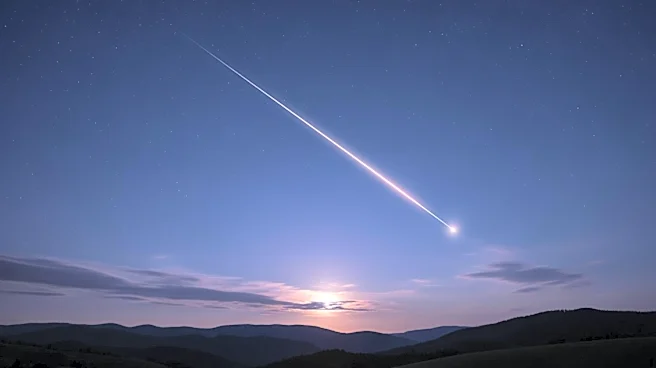
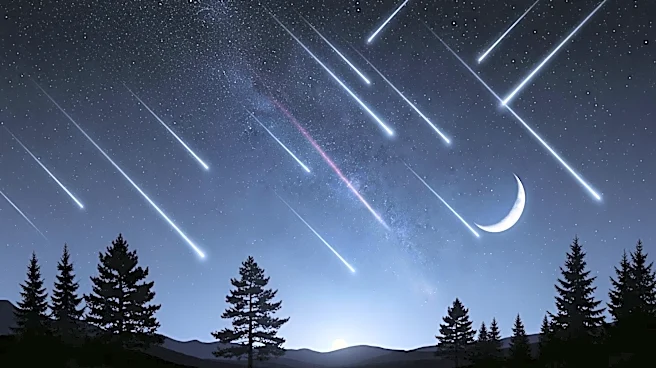
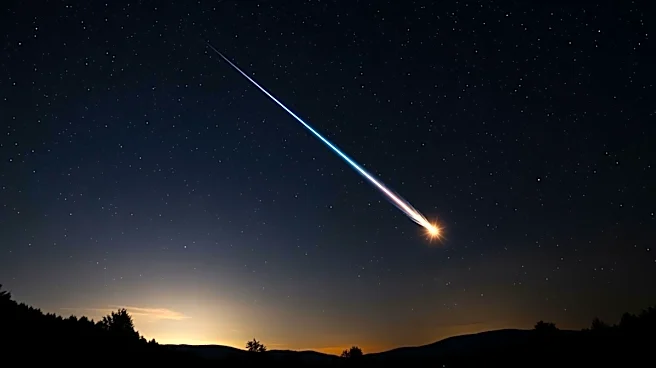
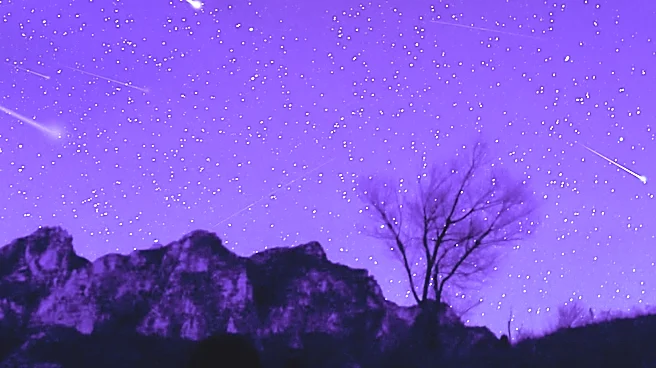
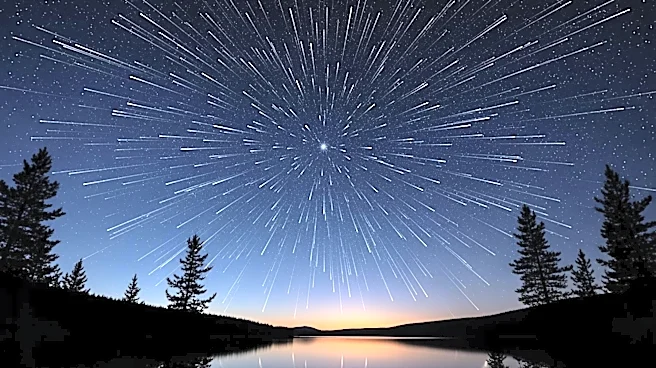
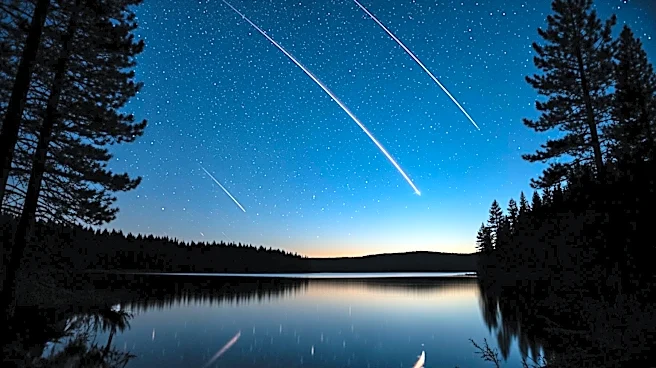
The Lyrid meteor shower, one of the oldest recorded meteor showers, is currently visible in Southeast Michigan. The shower began on April 16 and will continue until April 25, with its peak occurring on the night
of April 21 into the early hours of April 22. During peak times, observers can typically see between 10 and 20 meteors per hour. The Lyrids are known for their bright and fast meteors, which are best viewed during the predawn hours away from city lights. As the peak has passed, the frequency of visible meteors may decrease, but they remain observable. Clear skies are expected in Southeast Michigan, although some cloud cover and rain are anticipated later in the week.
Why It's Important?
Meteor showers like the Lyrids offer a unique opportunity for the public to engage with astronomy and appreciate natural celestial events. Such events can inspire interest in science and the natural world, particularly among young people. The visibility of the Lyrids in Michigan provides a chance for residents to experience a connection with a phenomenon that has been observed for thousands of years. Additionally, these events can boost local tourism as enthusiasts travel to areas with optimal viewing conditions, potentially benefiting local economies.
What's Next?
As the Lyrid meteor shower continues, residents and visitors in Michigan are encouraged to find locations away from city lights to maximize their viewing experience. With clear skies expected, the next few nights offer a good opportunity to witness the remaining meteors. However, as the week progresses, increasing cloud cover and rain may hinder visibility. Those interested in viewing the shower should plan accordingly and take advantage of the clear nights early in the week.