
What's Happening?
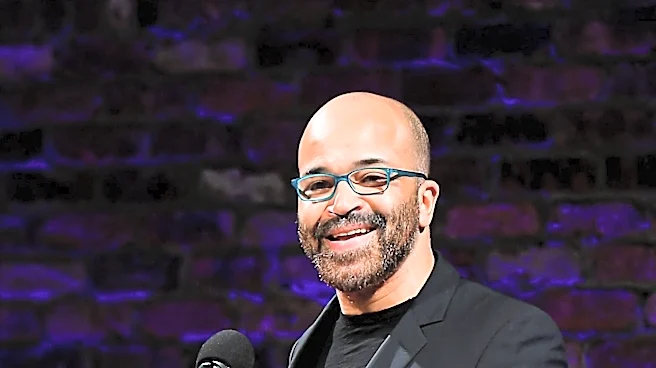
Jeffrey Wright is featured in the film 'Boycott,' a dramatization of the historic mid-1950s public bus boycott. This event was a pivotal moment in the Civil Rights movement, showcasing the collective action
and resistance against racial segregation. The film, released in 2001, has a strong IMDb rating of 7.1/10 and is categorized as a drama and suspense film. Wright's involvement underscores the ongoing relevance of these historical struggles and their impact on American society. The movie provides a detailed account of the boycott, emphasizing its significance in challenging discriminatory practices and advocating for equal rights.
Why It's Important?
The film 'Boycott,' starring Jeffrey Wright, is important because it brings to light a critical period in U.S. history that shaped civil rights legislation and social justice movements. The public bus boycott demonstrated the power of nonviolent protest and community organizing in achieving significant social change. This historical event laid foundational groundwork for future civil rights advancements, influencing public policy and societal norms regarding racial equality. The film serves as a reminder of the struggles faced by African Americans and the resilience required to overcome systemic discrimination, offering valuable lessons for contemporary discussions on civil rights and social justice.
What's Next?
While 'Boycott' is a historical film, its continued availability on platforms like Prime Video ensures that its message and the historical events it depicts remain accessible to new generations. The film's themes of civil disobedience and the fight for equality continue to resonate, potentially inspiring ongoing activism and discussions about social justice in the U.S. Educational institutions and civil rights organizations may continue to utilize such dramatizations to teach about the Civil Rights movement and its enduring legacy. The film's presence in media libraries suggests a sustained interest in historical narratives that address significant societal transformations.
Beyond the Headlines
Beyond its direct narrative, 'Boycott' contributes to the broader cultural understanding of the Civil Rights movement, highlighting the ethical imperative to challenge injustice. The film's portrayal of the boycott underscores the moral complexities and personal sacrifices made by individuals in the pursuit of equality. It also implicitly raises questions about the role of media in shaping historical narratives and public consciousness. The long-term impact of such films lies in their ability to foster empathy, encourage critical thinking about historical events, and inform contemporary debates on race, power, and justice in American society.