






What's Happening?
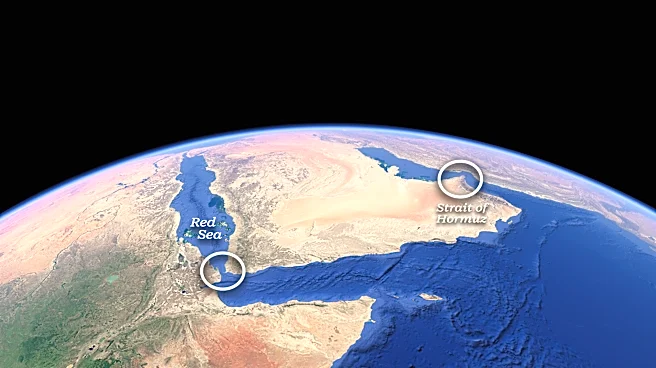
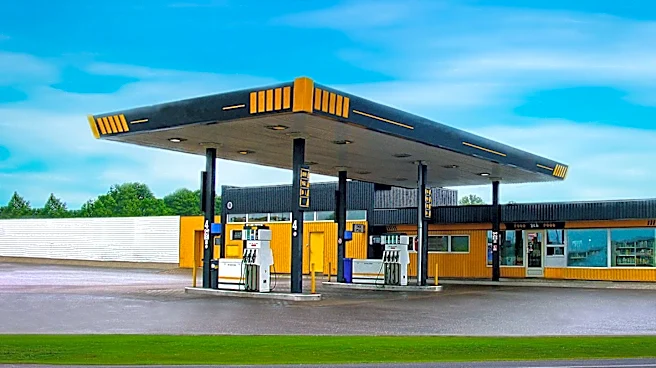
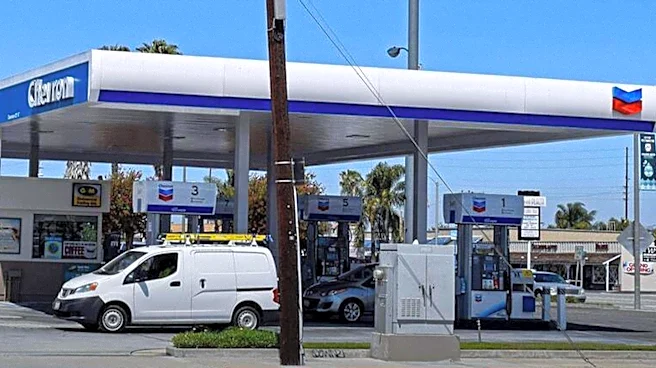
The national average price for a gallon of regular gasoline in the U.S. has increased by 15 cents, reaching $4.09. This rise is attributed to escalating crude oil prices, which have been driven by volatility in the Middle East, particularly around the Strait
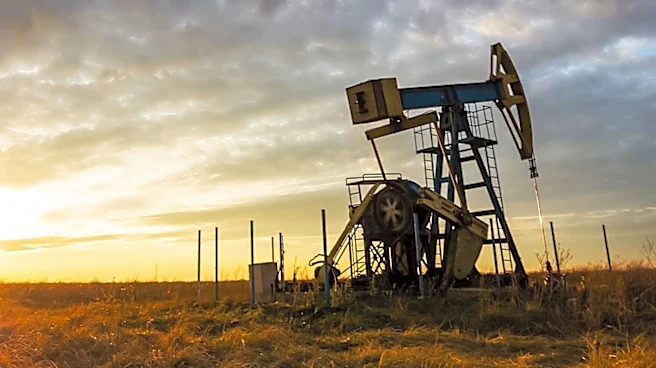
of Hormuz. The region's instability has pushed crude oil prices into the $90 per barrel range. Despite an increase in domestic gasoline supply and production, the demand for gasoline has also risen, contributing to the price hike. The Energy Information Administration reports that U.S. crude oil inventories are currently below the five-year average, further influencing market dynamics.
Why It's Important?
The increase in gasoline prices has significant implications for the U.S. economy and consumers. Higher fuel costs can lead to increased transportation and production expenses, affecting various industries and potentially leading to higher prices for goods and services. Consumers may face reduced disposable income as they allocate more of their budget to fuel expenses. The situation underscores the vulnerability of global oil markets to geopolitical tensions and the need for energy diversification and stability. Policymakers and industry leaders may need to consider strategies to mitigate the impact of such price fluctuations on the economy and consumers.
What's Next?
As tensions in the Middle East continue, the potential for further disruptions in oil supply remains a concern. Stakeholders will likely monitor the situation closely, with possible interventions to stabilize the market. The U.S. government and energy companies may explore alternative energy sources and strategies to reduce dependency on volatile regions. Additionally, consumers and businesses may seek ways to improve energy efficiency and reduce fuel consumption. The ongoing situation highlights the importance of energy security and the need for long-term solutions to ensure stable and affordable energy supplies.