





What's Happening?
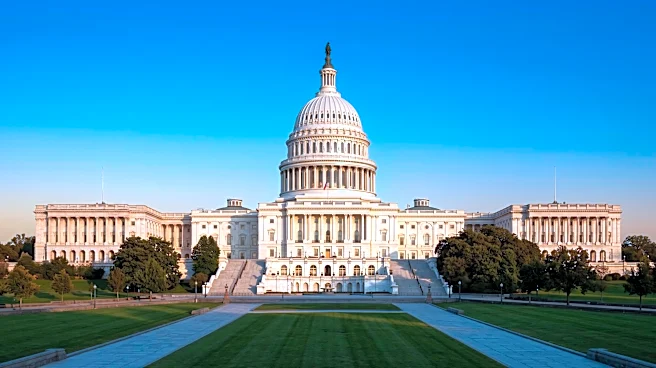
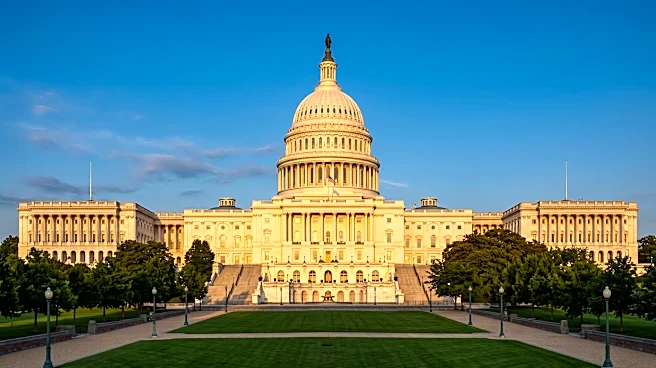
Labor Day, observed on the first Monday of September, became a federal holiday in the United States after Congress passed a bill recognizing it in 1894. This legislative action followed the significant Pullman Rail strike of the same year, and the bill was
signed into law by then-President Grover Cleveland. Prior to its federal recognition, Oregon was the first state to make Labor Day an official public holiday in 1887, acknowledging the growing influence of organized trades and the onset of America's Industrial Revolution. By 1894, thirty states were already celebrating the holiday. Initially, the federal law only granted the holiday to federal workers, leading unions to encourage strikes in the 1930s to ensure all their members received the day off.
Why It's Important?
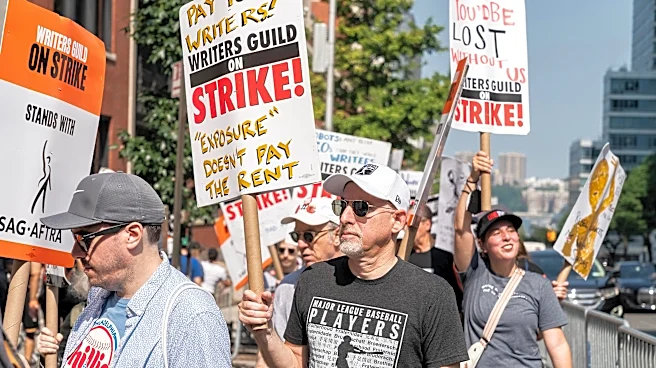
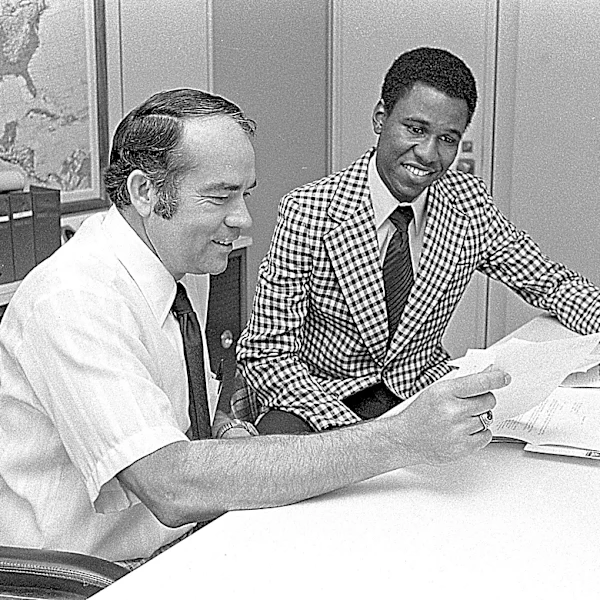
The establishment of Labor Day as a federal holiday underscores the profound impact of the labor movement on American society and policy. It signifies a national acknowledgment of the contributions of working men and women who built the nation. The holiday's origins, particularly its connection to the Pullman Strike, highlight the historical struggles for workers' rights, including the fight for reasonable hours, fair pay, and improved safety standards. While union membership has seen declines in some sectors, the holiday continues to serve as a reminder of the benefits that labor unions have historically secured, such as the five-day work week, overtime pay, and employer-paid benefits. It prompts reflection on the ongoing relevance of these protections in modern workplaces.
What's Next?
As Labor Day continues to be observed, its significance will likely remain a subject of ongoing discussion, particularly regarding the evolving landscape of labor rights and economic conditions. The holiday serves as an annual opportunity to reflect on the state of the American workforce and the challenges it faces, such as the impact of automation, globalization, and changing employment models. Debates about unionization, worker protections, and income inequality are likely to resurface around this time each year. The holiday also encourages a broader appreciation for all working individuals, regardless of union affiliation, who contribute to the nation's infrastructure and daily functioning.
Beyond the Headlines
Beyond its historical and celebratory aspects, Labor Day carries a deeper cultural and ethical significance. It represents a societal commitment to the dignity of labor and the principle that those who contribute to the economy deserve fair treatment and recognition. The holiday's evolution from a union-driven protest to a national observance reflects a shift in public perception and policy regarding worker welfare. It also highlights the tension between individual economic freedom and collective bargaining power. As the U.S. grapples with issues like the gig economy and the future of work, Labor Day serves as a reminder of the foundational values that underpin the nation's approach to labor and employment, encouraging a re-evaluation of how society supports and values its workforce.