






What's Happening?
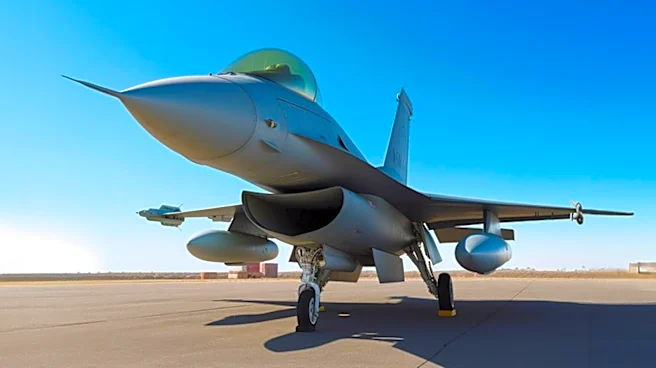
Lockheed Martin is experiencing significant production delays in delivering the second batch of Block 70 F-16 Fighting Falcons to Bulgaria. The southeastern European NATO member had ordered two batches of eight F-16s, with the first batch already delivered.
However, the second batch, initially expected by 2027, will now not begin arriving until at least the second quarter of 2030, a delay of nearly three years. Lockheed Martin has acknowledged the production issues and stated it is working to accelerate manufacturing. Bulgarian officials, including Minister of Defense Dimitar Stoyanov, have expressed dissatisfaction but have not indicated plans to cancel or renegotiate the contract. They are seeking assurances that the delay will not affect the final price and are requesting specific actions to mitigate the delays. The F-16 Block 70 aircraft are intended to replace Bulgaria's aging fleet of MiG-29 Fulcrum jets, with the program calling for 16 advanced variants in total.
Why It's Important?
This delay in F-16 deliveries has significant implications for Bulgaria's defense capabilities and its ability to meet NATO obligations. The country relies on these modern aircraft to replace its Soviet-era MiG-29s and enhance its air force. The extended wait period could create a security gap, potentially impacting regional stability and NATO's collective defense posture in Eastern Europe. For Lockheed Martin, these production delays could affect its reputation and future contracts, especially as it works to meet global demand for its advanced military aircraft. The situation also highlights the complexities and challenges inherent in large-scale defense procurement and manufacturing, where geopolitical factors and supply chain issues can lead to unforeseen setbacks. The need for Bulgaria to seek secondhand aircraft underscores the urgency of maintaining air superiority and fulfilling alliance commitments.
What's Next?
Bulgaria is actively exploring options to address the F-16 delivery delays. Sofia has contacted Washington regarding the potential sale of 'secondhand' Fighting Falcons to serve as an interim solution, ensuring the country can maintain its NATO obligations and defense capabilities. Additionally, the Bulgarian Air Force is reaching out to other NATO members that operated the Mikoyan-made jet fighter, such as Poland and Hungary, to inquire about obtaining spare parts and even operational fighters as a stopgap measure. Bulgarian Minister of Defense Dimitar Stoyanov expects assurances from Lockheed Martin regarding the contract's final price and specific actions to reduce the delays. The long-term plan remains for the F-16 Block 70s to replace the MiG-29s, but the immediate focus is on bridging the gap created by the production setbacks.
Beyond the Headlines
The F-16 delivery delays to Bulgaria underscore broader challenges within the global defense industry, particularly concerning the production and modernization of military hardware. This situation highlights the intricate balance between national security needs, industrial capacity, and international alliances. The reliance on a global supply chain, involving over 530 suppliers in a dozen countries, as noted by Lockheed Martin, demonstrates the interconnectedness of modern defense manufacturing and its vulnerability to disruptions. Furthermore, the decision by Bulgaria to consider secondhand aircraft, despite having chosen new F-16s over alternatives like Eurofighter Typhoons and JAS 39 Gripens, reflects the pragmatic adjustments nations must make when faced with unforeseen delays in critical defense acquisitions. This scenario could influence future procurement strategies, potentially leading countries to diversify their suppliers or prioritize faster delivery times over cutting-edge technology if immediate defense needs are paramount.