






What's Happening?
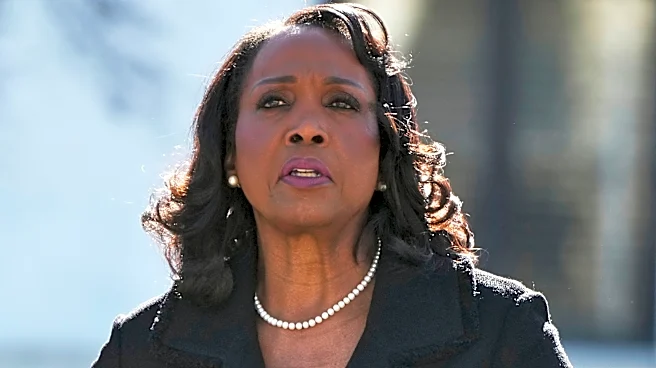
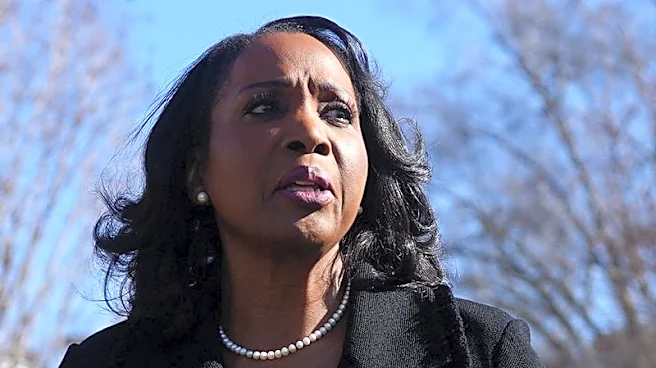
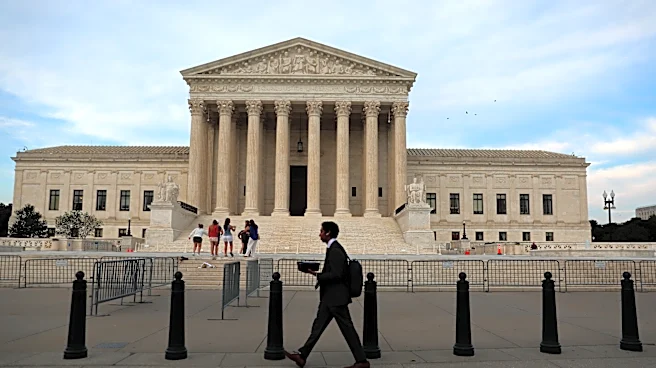
The U.S. Supreme Court has ruled against President Trump's attempt to dismiss Federal Reserve Governor Lisa Cook, marking a significant decision that limits presidential authority over the central bank. In a 5-4 decision, the court determined that Cook, who
was appointed by President Joe Biden, could not be removed without due process, as she was entitled to statutory protections. This ruling comes amidst allegations of mortgage fraud against Cook, which she denies. The court's decision underscores the importance of maintaining the Federal Reserve's independence from political influence, a principle that has been a cornerstone of U.S. economic policy since the Fed's establishment in 1913. The ruling contrasts with other recent decisions where the court has granted President Trump broader powers to remove officials from other independent agencies.
Why It's Important?
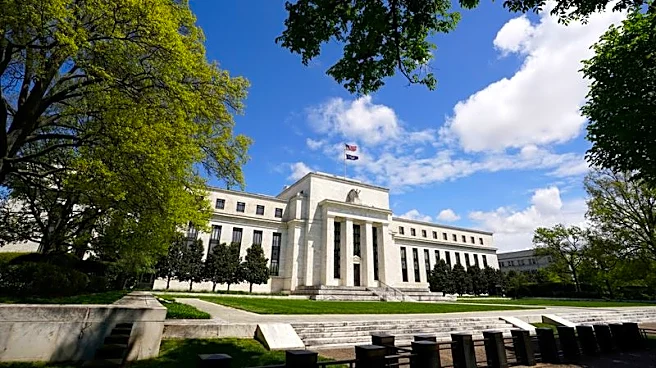
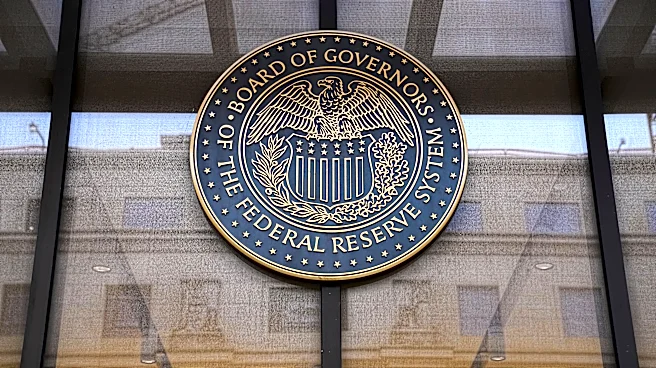
This ruling is pivotal in preserving the Federal Reserve's autonomy, which is crucial for ensuring unbiased economic decision-making. The Fed's ability to set interest rates without political pressure is vital for economic stability. By upholding Cook's position, the court reinforces the notion that the central bank should operate independently of the executive branch. This decision may also influence how future administrations interact with the Fed, potentially curbing attempts to exert political pressure on monetary policy. The ruling could have broader implications for the balance of power between the presidency and independent federal agencies, setting a precedent for how such conflicts are resolved.
What's Next?
Following this decision, the Federal Reserve is expected to continue its operations without direct interference from the White House. However, the ruling may prompt further scrutiny of the Fed's independence and its relationship with the executive branch. Political leaders and economic stakeholders will likely monitor how this decision impacts future interactions between the presidency and independent agencies. Additionally, the ruling may influence legislative discussions on the scope of presidential powers concerning independent bodies, potentially leading to new legal frameworks or reforms.
Beyond the Headlines
The Supreme Court's decision highlights the ongoing tension between political authority and institutional independence in the U.S. government. It raises questions about the ethical and legal boundaries of presidential power, especially concerning economic governance. The ruling may also prompt a reevaluation of the role of independent agencies in safeguarding democratic principles and economic stability. As the U.S. navigates complex economic challenges, the independence of institutions like the Federal Reserve becomes increasingly significant in maintaining public trust and confidence in economic policy-making.