



What's Happening?
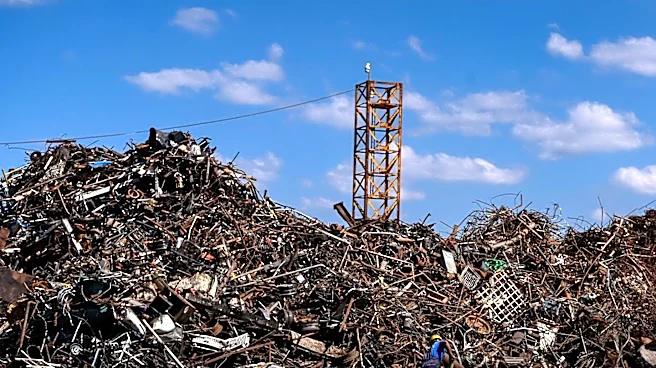
U.S. Representative Donald Norcross is advocating for a bill designed to address recurring fires at a scrap metal recycling company in Camden, New Jersey. The proposed legislation aims to incentivize the detection and recycling of highly flammable lithium-ion
batteries. EMR, a multinational scrap metal recycling company with facilities in Camden, attributes 14 major fires since 2020 to these batteries, which are often delivered despite being banned. These fires have led to dangerous pollution in the Waterfront South neighborhood, primarily affecting Black and Hispanic residents, causing evacuations, psychological distress, and health concerns. The bill seeks to provide tax credits to recycling companies for battery detectors and establish a lithium battery recycling grant program. Representative Frank Pallone, a Democrat from New Jersey and a potential future chair of the House Committee on Energy and Commerce, has expressed support for the bill's progression if Democrats gain control of the House.
Why It's Important?
This legislative effort is crucial for environmental protection and public health in communities like Camden, which are disproportionately affected by industrial pollution. The recurring fires at EMR's scrapyards highlight a significant environmental justice issue, as residents in Waterfront South face health risks and disruptions to their daily lives. The proposed bill could set a precedent for how the U.S. handles the growing challenge of lithium-ion battery disposal and recycling, especially as these batteries become more prevalent in consumer products. If passed, it would offer financial incentives for safer recycling practices, potentially reducing fire incidents and associated pollution. The involvement of Representative Pallone, a key figure in energy and commerce policy, underscores the potential for this issue to gain national attention and influence broader environmental regulations and industrial safety standards.
What's Next?
The progression of Representative Norcross's bill is contingent on the outcome of future midterm elections and the leadership of the House Committee on Energy and Commerce. If Democrats secure control of the House and Representative Frank Pallone assumes the chairmanship of the committee, he is expected to prioritize the bill's advancement. This would involve committee hearings, potential amendments, and a vote in the House. The bill's passage would likely lead to increased investment in battery detection and recycling technologies across the scrap metal industry. Conversely, if the political landscape does not shift as anticipated, the bill may continue to face obstacles, potentially prolonging the environmental and health challenges faced by communities near such facilities. Stakeholders, including environmental groups, industry representatives, and affected residents, will likely continue to advocate for legislative action regardless of the immediate political outcomes.
Beyond the Headlines
The issue of lithium-ion battery fires extends beyond immediate environmental and health concerns, touching upon broader themes of product lifecycle management and corporate responsibility. The difficulty in detecting these batteries in scrap metal streams points to a systemic challenge in managing modern waste, particularly as consumer electronics proliferate. This situation also highlights the tension between industrial operations and community well-being, raising questions about the adequacy of current regulations and enforcement mechanisms. The push for legislative solutions, such as tax credits and grant programs, reflects a growing recognition that market forces alone may not be sufficient to address complex environmental and safety issues. Furthermore, the focus on environmental justice underscores the ethical imperative to protect vulnerable communities from the disproportionate impacts of industrial activities, potentially influencing future policy-making to prioritize equity in environmental protection.