



What's Happening?
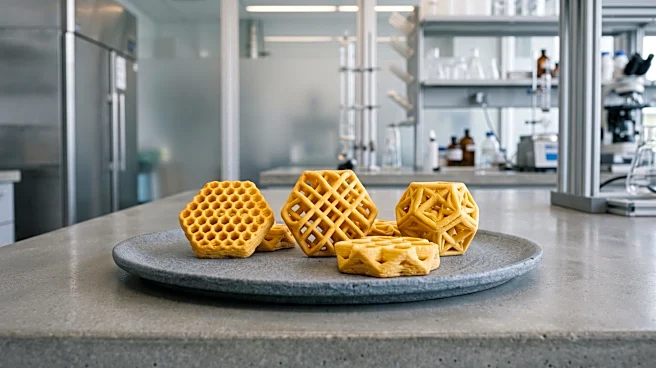
Scientists at Southern Illinois University Carbondale, led by microbiologist Lahiru Jayakody, have developed edible cookies, dubbed 'µBites,' from plastic waste as part of a NASA-led Deep Space Food Challenge. This innovative process involves breaking
down waste plastics, such as polyethylene terephthalate (PET) from water bottles, and agricultural waste into smaller molecules. These molecules are then fed to genetically engineered microbes, which metabolize them into acids, fats, and proteins. After adding starch, fiber, and a sweetener, the resulting substance is 3D-printed into high-protein cookies. The team collaborated with microbiologist Sandhya Jayasekra to engineer microbes that produce vanillin for flavor and beta carotene for nutritional value, which the body converts into vitamin A. The process, called oxidative hydrothermal dissolution (OHD), uses water and oxygen under specific conditions to break down carbon-carbon bonds in plastics, producing minimal CO2 as a byproduct.
Why It's Important?
This development addresses critical global challenges: plastic pollution, food insecurity, and the need for sustainable food sources for long-duration space missions. The ability to convert plastic waste into edible food offers a dual solution, reducing environmental waste while creating a novel food source. For astronauts, µBites could provide essential nutrition during deep space travel where traditional food supplies are limited. On Earth, this technology has the potential to alleviate food scarcity in disaster zones and contribute to a circular economy by transforming waste into a valuable resource. The process's eco-friendly nature, requiring only water and oxygen and producing minimal CO2, makes it a sustainable approach to food production and waste management. This innovation could significantly impact how humanity approaches resource utilization and sustainability.
What's Next?
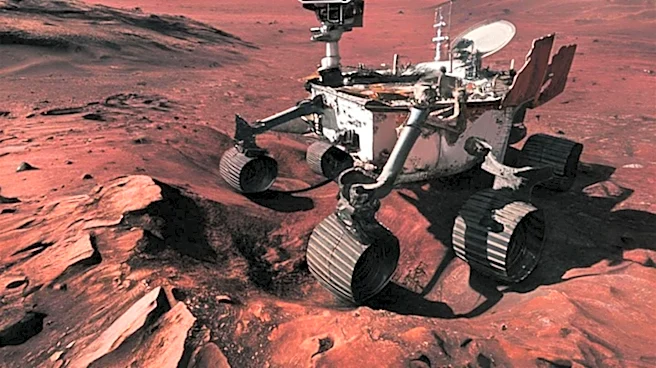
The scientists are currently awaiting institutional approval for human taste tests of the µBites, although initial feedback on their aroma has been positive. The team is actively working on making these cookies more appealing and accessible to the public, with a goal of commercial availability within a few years. This would involve further refining the taste, texture, and nutritional profile of the cookies, as well as scaling up the production process. Beyond terrestrial applications, the primary focus remains on their potential use for astronauts on future deep space missions, including trips to Mars. The long-term vision includes deploying this system to improve terrestrial food production, particularly in regions affected by food scarcity, and to further reduce plastic waste accumulation globally. Continued research will likely explore the use of other types of waste materials and the optimization of microbial conversion processes.
Beyond the Headlines
This innovation transcends mere scientific achievement, touching upon profound ethical and societal implications. The concept of consuming food derived from plastic waste challenges conventional perceptions of food and waste, potentially shifting societal norms around resource consumption and recycling. It highlights the ingenuity required to sustain human life in extreme environments like deep space, pushing the boundaries of biotechnology and material science. The project also underscores the interconnectedness of environmental issues, demonstrating how solutions to plastic pollution can simultaneously address food security. Furthermore, the use of genetically engineered microbes in food production raises questions about public acceptance, regulatory frameworks, and the long-term health impacts of such novel foods, necessitating careful consideration and transparent communication as the technology progresses.