




What's Happening?
In a bipartisan move, the House of Representatives has passed a war powers resolution directing President Trump to end hostilities with Iran. The resolution passed with a vote of 215-208, with four Republicans joining Democrats. This action represents
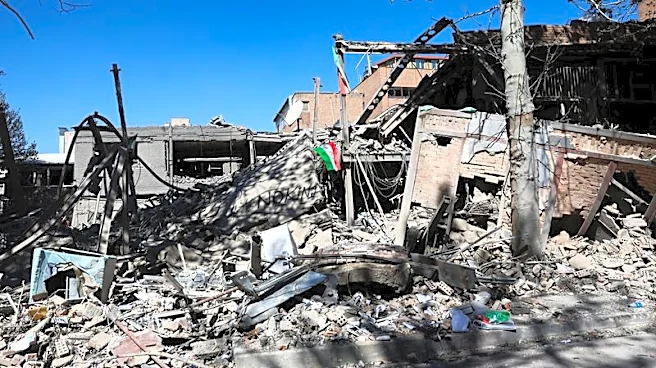
a clear rebuke of the president's handling of the conflict, which began on February 28 with U.S. and Israeli strikes on Iran. The resolution is largely symbolic, as it faces significant hurdles in the Senate and a likely presidential veto. However, it reflects growing frustration among lawmakers over the conflict's duration and economic impact, including rising fuel prices.
Why It's Important?
The resolution's passage underscores a significant challenge to President Trump's military strategy and highlights bipartisan concern over the conflict's domestic and international consequences. It reflects a shift in congressional dynamics, with some Republicans willing to oppose the president on foreign policy issues. The resolution also raises questions about the balance of power between Congress and the presidency in military matters, potentially setting a precedent for future legislative actions. The ongoing conflict has strained U.S. resources and shifted focus back to the Middle East, despite domestic priorities.
What's Next?
The resolution will be considered by the Senate, where its passage could further test the limits of presidential authority in military engagements. If approved, it may lead to legal challenges regarding the War Powers Act and the president's power to conduct military operations without congressional approval. The resolution's progress will be closely monitored as a potential turning point in congressional oversight of military policy. Additionally, the outcome could influence ongoing peace negotiations and U.S. relations with allies and adversaries in the region.