







What's Happening?
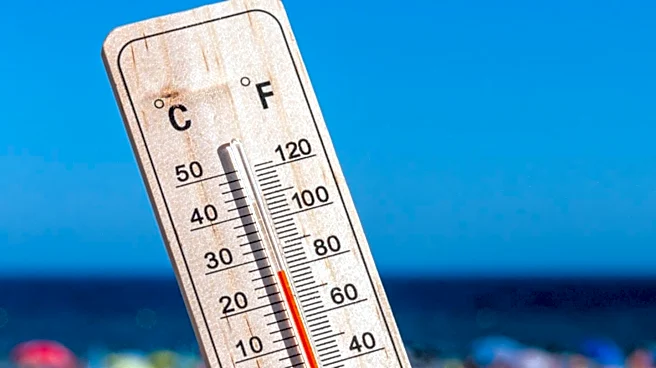
New Jersey is experiencing a deadly heat wave, with 19 suspected heat-related deaths reported in the first week of July. The state's health commissioner noted that most deaths occurred in central and northern New Jersey, with victims found in homes without
air conditioning, on the streets, and in parked cars. The heat wave has also caused power outages and disrupted public transportation. Temperatures are expected to remain high, with relief anticipated from upcoming storms.
Why It's Important?
The heat wave in New Jersey highlights the severe health risks associated with extreme temperatures, particularly for vulnerable populations without access to air conditioning. The situation underscores the importance of public health measures and infrastructure improvements to protect residents during extreme weather events. The economic impact is also significant, as power outages and transportation disruptions affect daily life and business operations. The event emphasizes the need for comprehensive climate adaptation strategies to address the increasing frequency of heat waves.
What's Next?
Authorities are likely to focus on providing resources and support to affected communities, including cooling centers and emergency services. The anticipated storms may offer some relief from the heat, but also pose additional risks such as flooding and further power outages. Long-term, there may be increased efforts to improve infrastructure and public health systems to better withstand extreme weather conditions.