




What's Happening?
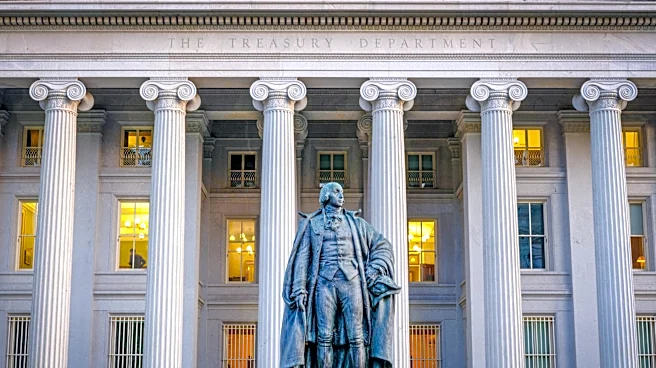
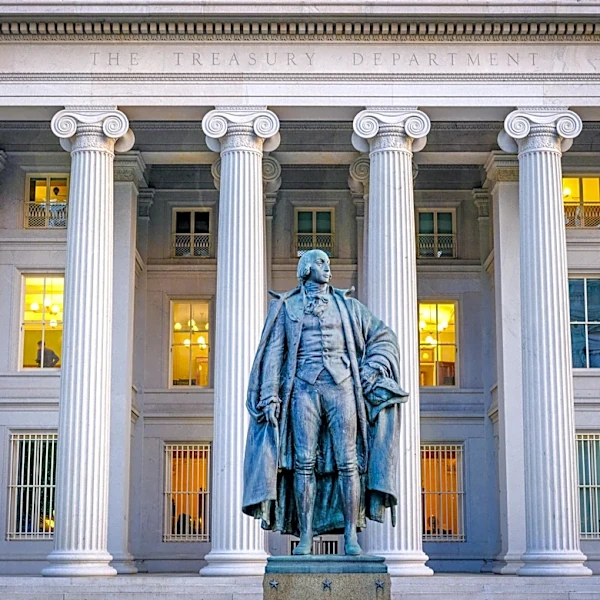
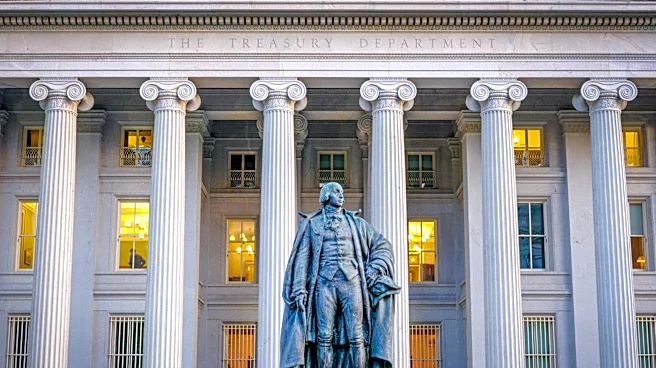
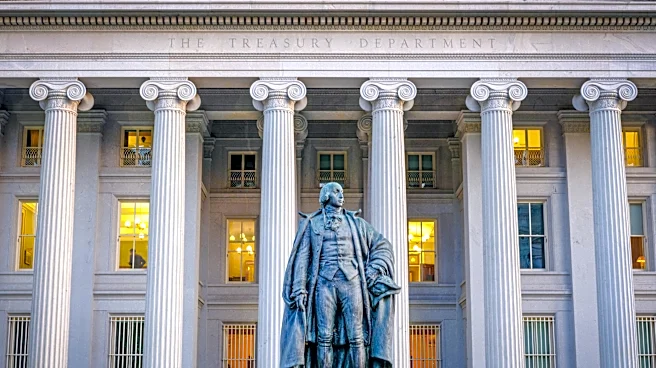
The U.S. Treasury Department has imposed sanctions on eight Canadian money services businesses, accusing them of facilitating financial transactions that help Iran's regime and sanctioned Iranian entities evade American sanctions. These firms, operating
in Ontario and British Columbia, allegedly provided channels for transferring funds between Iran and Canada, converting Iranian rials and other currencies into digital assets, and moving money across international borders. The Treasury Department's Office of Foreign Assets Control (OFAC) identified these businesses as Million Exchange, Amin Exchange, NIA Nations Currency, Farah Exchange, CCC Inc, Cryptoyal, Darvish Exchange, and Top PC Technician Inc. Many of these companies reportedly conducted transactions with cryptocurrency exchanges previously sanctioned by Washington or with digital asset addresses linked to the Islamic Revolutionary Guard Corps (IRGC) and other terrorism-related networks. The sanctions are part of 'Operation Economic Outcast,' a U.S. government campaign launched in August 2026, aimed at disrupting the Iranian regime’s financial networks and its use of cryptocurrency to bypass international restrictions.
Why It's Important?
These sanctions underscore the U.S. government's commitment to disrupting Iran's financial networks globally, particularly those utilizing cryptocurrency to circumvent international restrictions. By targeting foreign intermediaries like these Canadian firms, Washington aims to sever the financial lifelines that sustain the Iranian regime and the IRGC. Treasury Secretary Scott Bessent emphasized that the U.S. will not allow Canada to become a safe haven for financial facilitators aiding Iran's sanctions evasion efforts. This action also highlights the increasing scrutiny on cryptocurrency exchanges and money-transfer businesses operating outside Iran but connected to its financial infrastructure. The involvement of some sanctioned firms in international drug trafficking, specifically with Ryan Wedding, a former Olympic snowboarder sanctioned for drug trafficking, further illustrates the multifaceted nature of illicit financial activities that these sanctions aim to combat. The coordinated effort with Canada's Financial Transactions and Reports Analysis Centre (FINTRAC) and the U.S. Drug Enforcement Administration (DEA) signifies a broader international push against such illicit financial flows.
What's Next?
The U.S. Treasury Department has indicated that it will continue to pursue and disrupt the Iranian regime’s financial channels wherever they operate, suggesting further actions against entities facilitating sanctions evasion are possible. This move is part of an ongoing strategy to expand pressure on Iran's financial networks, building on previous sanctions against Iranian cryptocurrency infrastructure. The Centre for Israel and Jewish Affairs (CIJA) has welcomed these sanctions and called for the Canadian government to implement stronger measures against Iranian regime-linked activities within Canada, indicating potential pressure on Canadian authorities for further domestic action. The focus will likely remain on identifying and sanctioning foreign companies and intermediaries that enable Iran to access financial services despite international restrictions, particularly those exploiting digital assets. This could lead to increased vigilance and regulatory actions against cryptocurrency platforms and money service businesses globally that are found to be involved in similar activities.
Beyond the Headlines
The sanctions against these Canadian firms reveal a growing trend in how state actors and illicit networks are leveraging digital assets to bypass traditional financial controls. The use of cryptocurrency by the Iranian regime and its proxies presents a significant challenge to global sanctions enforcement, as digital transactions can offer a degree of anonymity and cross-border fluidity that traditional banking systems do not. This development highlights the evolving cat-and-mouse game between financial regulators and those seeking to evade sanctions, pushing the boundaries of financial surveillance into the digital realm. Furthermore, the connection between some of these firms and international drug trafficking underscores the convergence of various illicit financial activities, where networks facilitating sanctions evasion may also be involved in other criminal enterprises. This necessitates a more integrated approach to financial crime fighting, involving collaboration between financial intelligence units, law enforcement, and regulatory bodies across different jurisdictions to effectively counter these complex threats.