








What's Happening?
Colorado Parks and Wildlife (CPW) officials are advising residents to keep Halloween pumpkins indoors this fall due to an increase in bear encounters. Bears are reportedly feasting on pumpkins left on porches and in yards, which are seen as high-calorie
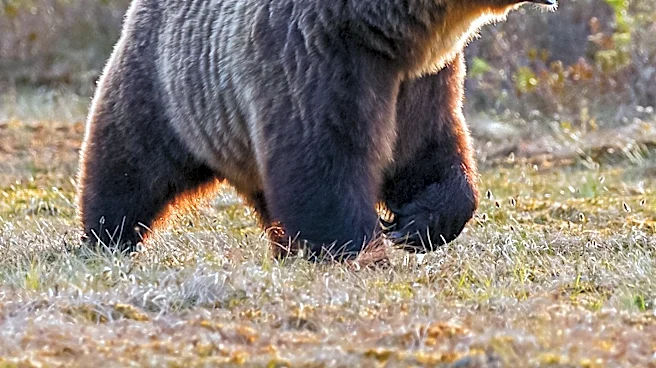
snacks by the animals. This behavior is exacerbated by a record number of bear conflicts this year, attributed to extreme drought conditions that have reduced natural food sources for bears and other wildlife. Bears are currently in a state of hyperphagia, compulsively eating up to 20,000 calories a day for up to 22 hours to prepare for winter hibernation. CPW has already observed bears consuming pumpkins from front yards and grocery store displays. The agency emphasizes that feeding wildlife, even unintentionally, is illegal as it disrupts natural behavior, can spread disease, and makes animals more comfortable around humans, potentially leading to attacks on pets and people, which often results in the animals being euthanized.
Why It's Important?
The increase in bear-human conflicts in Colorado highlights the significant impact of environmental changes, such as drought, on wildlife behavior and public safety. When natural food sources dwindle, bears are driven into residential areas in search of sustenance, leading to more frequent and potentially dangerous interactions with humans. This situation poses a direct threat to residents and their pets, as habituated bears can become aggressive. Furthermore, the need to euthanize bears that become too comfortable around humans represents a loss for wildlife conservation efforts. The issue also underscores the importance of public education and adherence to wildlife safety guidelines to mitigate these conflicts. The economic impact could include increased costs for wildlife management and potential property damage caused by foraging animals.
What's Next?
Colorado residents are urged to display jack-o’-lanterns in windows or bring them inside at night to prevent attracting bears and other wildlife. CPW will likely continue its public awareness campaigns to educate the community on responsible wildlife interaction, especially during periods of food scarcity for animals. The agency may also increase monitoring of areas with high bear activity and respond to reports of conflicts. Continued drought conditions could lead to further escalation of these issues in subsequent years, necessitating ongoing adaptation of wildlife management strategies and public cooperation to ensure both human safety and wildlife preservation. The long-term solution may involve addressing the root causes of habitat degradation and food scarcity for wildlife.
Beyond the Headlines
This situation in Colorado reflects a broader ecological challenge where human expansion and climate change intersect with wildlife habitats. The drought-induced food scarcity for bears is a symptom of larger environmental shifts that are increasingly impacting ecosystems. The ethical dilemma of managing wildlife that becomes a nuisance or danger due to human-induced factors is also prominent. While the immediate focus is on preventing bear encounters, the underlying issue points to the need for more sustainable land use practices and climate resilience strategies. The public's role in coexisting with wildlife, even in seemingly minor actions like decorating for holidays, becomes critical in preventing negative outcomes for both humans and animals. This scenario also highlights the interconnectedness of environmental health and community safety.