




What's Happening?
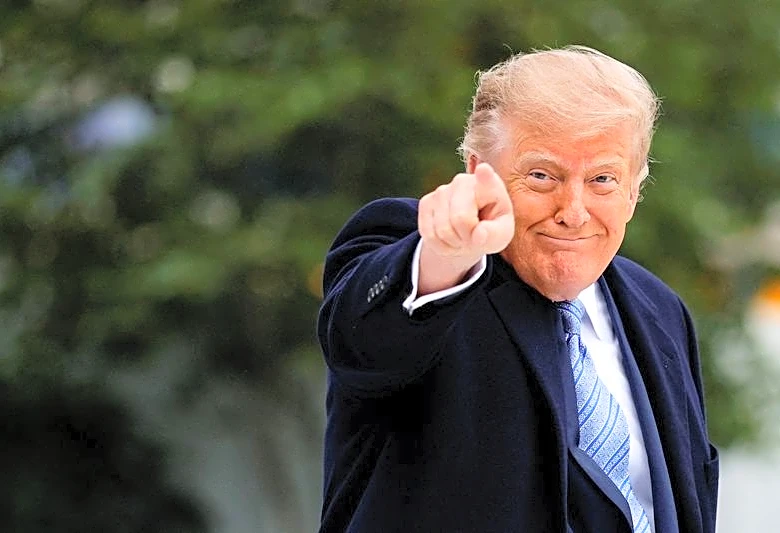
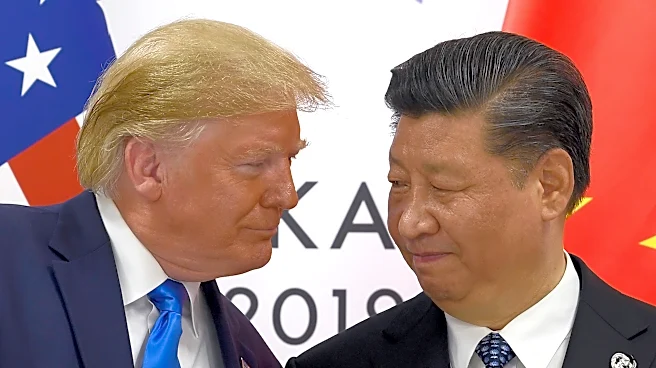
President Trump has reiterated his administration's hands-off approach to artificial intelligence (AI) regulation, emphasizing the importance of U.S. dominance in the technology over geopolitical rivals like China. In a Truth Social post, President Trump dismissed
concerns from critics about AI's potential dangers, comparing them to environmentalist complaints about climate change. He asserted that 'Whoever wins AI, WINS!' and pledged to maintain the U.S. lead, stating he would not 'stifle Growth' in a technology he believes will be more significant than the Industrial Revolution or the internet. Previously, President Trump suggested that good leadership was the only necessary regulation for AI, with the Department of Justice ready to 'rein things in' if companies overstepped, though specifics on enforcement were not provided. Secretary of the Treasury Scott Bessent has also suggested that private lawsuits could compel AI companies to improve security, arguing against liability exemptions for creators.
Why It's Important?
President Trump's stance on AI regulation is highly significant as it prioritizes rapid innovation and global competitiveness, particularly against China, over immediate regulatory oversight. This approach could accelerate AI development in the U.S., potentially giving American companies a strategic advantage in the global tech race. However, it also raises concerns among critics who argue that inadequate regulation could lead to significant risks, including cybersecurity vulnerabilities, ethical dilemmas, and societal disruptions. The comparison to former President Barack Obama's criticism, which highlighted that industries like airlines and drug companies are not left to self-regulate, underscores the contentious nature of this policy. The administration's belief that market forces and potential legal liabilities will drive responsible AI development contrasts sharply with calls for proactive governmental safeguards, creating a critical debate about the future direction of AI governance in the U.S.
What's Next?
The Trump administration's continued hands-off approach suggests that significant federal regulation of AI is unlikely in the near term, favoring industry-led development and market-driven accountability. This could mean a continued reliance on voluntary testing regimes and the potential for private lawsuits to address safety and ethical concerns. However, the ongoing debate and calls for more oversight from various stakeholders, including former President Obama, indicate that pressure for regulation will persist. Future developments may include increased scrutiny of AI companies' internal safety protocols, discussions about liability frameworks, and potential state-level regulatory initiatives if federal action remains limited. The focus on the U.S.-China AI race will likely intensify, influencing policy decisions related to research funding, talent development, and international collaboration in AI.
Beyond the Headlines
President Trump's policy on AI regulation touches upon profound ethical, economic, and geopolitical implications. The argument that 'Whoever wins AI, WINS!' frames AI development as a zero-sum game, potentially leading to a technological arms race with significant global consequences. Ethically, the lack of robust regulation raises questions about accountability for AI-driven harms, data privacy, and algorithmic bias. The reliance on private lawsuits as a primary enforcement mechanism could prove reactive and insufficient for rapidly evolving AI technologies. Economically, while a hands-off approach might foster innovation, it could also lead to market failures if companies prioritize speed over safety. Culturally, this stance reflects a deep-seated American belief in entrepreneurial freedom and minimal government intervention, even as the transformative power of AI presents unprecedented challenges to traditional regulatory models.