







What's Happening?
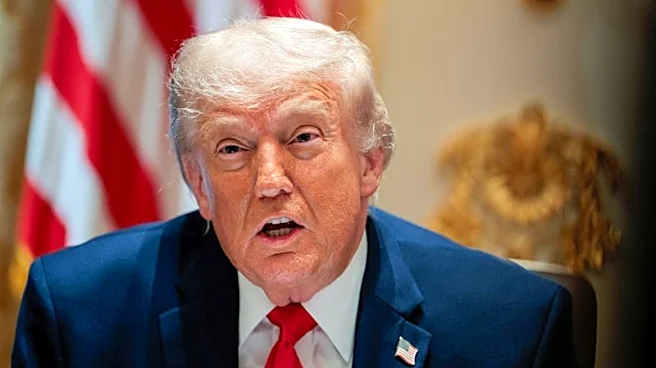
President Donald Trump has suggested that a period of silence might be beneficial in the ongoing indirect negotiations between the United States and Iran. Despite reports from Iranian state media that Tehran has suspended talks following Israel's military
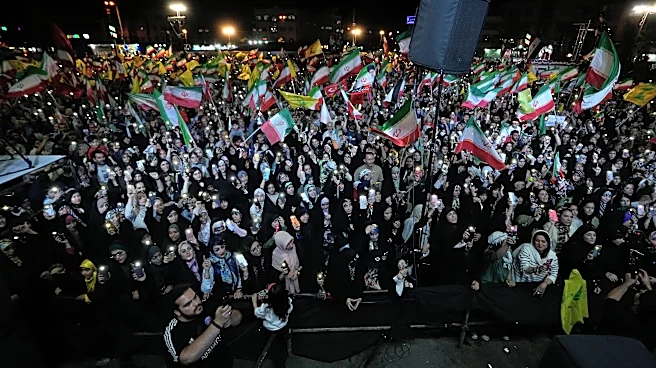
actions in Lebanon, Trump stated that he had not been informed of any suspension. He expressed that there has been excessive dialogue and that a pause could be advantageous. Trump emphasized that a suspension of talks would not lead to military action against Iran, although the US blockade of Iranian ports would continue. Meanwhile, Iran has threatened to block strategic straits unless its demands regarding Israel's military operations are met.
Why It's Important?
The potential pause in US-Iran talks could have significant implications for international diplomacy and regional stability in the Middle East. A halt in negotiations might escalate tensions, particularly if Iran follows through on its threat to block key maritime routes. This could disrupt global oil supplies and impact international markets. The situation also highlights the complex interplay between US foreign policy, Israeli military actions, and Iranian responses, which could influence future diplomatic strategies and alliances. Stakeholders in the region, including US allies, may need to reassess their positions and prepare for potential shifts in the geopolitical landscape.
What's Next?
If the talks remain suspended, there could be increased diplomatic efforts from other nations to mediate and resume negotiations. The US and Iran may face pressure from international partners to find a resolution to avoid further escalation. Additionally, the situation could prompt discussions within the US government regarding alternative strategies to address the impasse. Observers will be watching for any changes in military postures or economic sanctions that could arise from prolonged silence in the negotiations.