What's Happening?
Iranian Foreign Minister Abbas Araghchi announced that Iran is 'prepared' for war with the United States, although the country remains open to diplomatic negotiations. This statement comes amid escalating
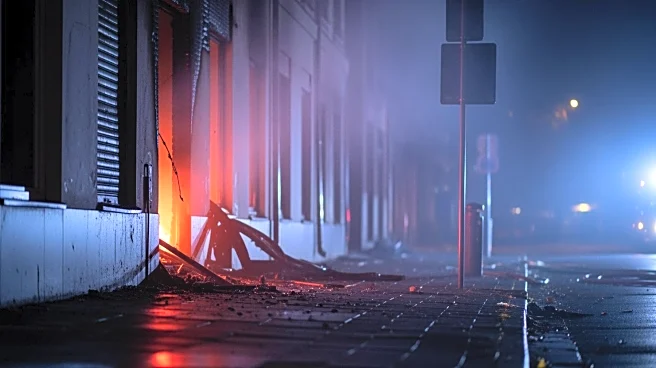
tensions due to widespread protests in Iran, which have resulted in significant casualties and arrests. According to the U.S.-based Human Rights Activists News Agency, the protests have led to 544 deaths and over 10,700 arrests across 585 locations in Iran. The protests, which began in December in Tehran, are driven by economic insecurity and the devaluation of the national currency, the rial. Iran's state news agency reported that 109 security personnel have been killed in the unrest. Araghchi emphasized that Iran's preparedness for war is a strategy to prevent conflict by deterring potential miscalculations by adversaries. The U.S. military, as stated by Pentagon press secretary Kingsley Wilson, is ready to execute orders from President Trump, who has indicated that the U.S. is considering 'strong options' to address the situation.
Why It's Important?
The situation in Iran is significant due to its potential impact on international relations and regional stability. The U.S. and Iran have a history of strained relations, and the current protests highlight internal challenges faced by the Iranian regime. The U.S. government's response, including potential military action, could further escalate tensions, affecting global oil markets and international diplomatic efforts. The protests also underscore the Iranian public's dissatisfaction with economic conditions and governance, which could lead to broader political changes if the regime fails to address these issues. The involvement of international actors, such as the U.S. and Israel, adds complexity to the situation, as their support for the protesters could influence the outcome of the unrest.
What's Next?
The future of the situation in Iran depends on several factors, including the Iranian government's response to the protests and the international community's actions. Diplomatic channels remain open, as indicated by ongoing communications between Iranian and U.S. officials. The U.S. and its allies may increase diplomatic pressure on Iran to address human rights concerns and engage in meaningful dialogue. However, if the Iranian regime continues its crackdown on protesters, international condemnation and potential sanctions could follow. The possibility of military intervention by the U.S. remains, depending on the developments on the ground and the Iranian government's actions.