







What's Happening?
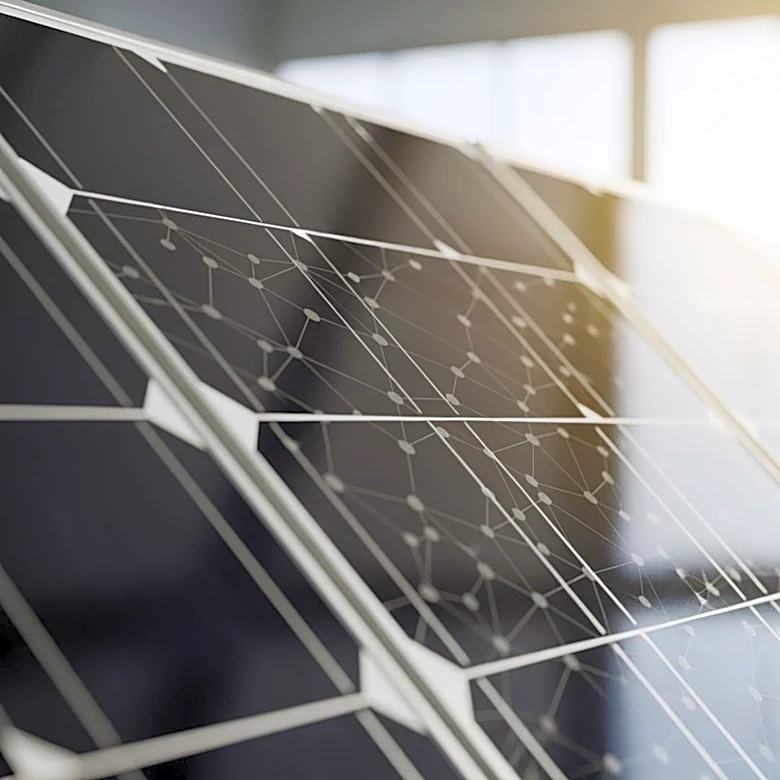
Cambodia's capital markets have gained international recognition with the country's first project bond, used to finance a utility-scale solar plant, receiving honors at the Environmental Finance Sustainable Debt Awards 2026. The SchneiTec Dynamic Green
Project Bond was awarded in two categories: Green Bond Structure Innovation (Asia-Pacific) and Green Project Bond. This transaction is seen as a landmark for Cambodia's debt market and renewable energy financing. The Credit Guarantee and Investment Facility (CGIF), a trust fund of the Asian Development Bank, played a crucial role in structuring and guaranteeing the bond, which raised $49 million for a solar plant in Kampong Chhnang province. The project bond is Cambodia's first and longest-tenor corporate bond, with a 15-year maturity.
Why It's Important?
The recognition of Cambodia's first solar project bond underscores the country's growing role in sustainable finance and renewable energy. This development is significant for Cambodia's economic landscape, as it sets a precedent for future green infrastructure projects. The involvement of CGIF highlights the importance of credit guarantees in enabling access to capital markets for emerging economies. This bond not only supports renewable energy but also demonstrates the potential for long-term investment in Cambodia, attracting both domestic and foreign investors. The success of this bond could encourage further sustainable finance initiatives in the region, contributing to economic growth and environmental sustainability.
What's Next?
Following the success of the solar project bond, Cambodia is likely to see more green infrastructure deals. The government supports renewable energy development, and there is a pipeline of projects that may require similar financing structures. CGIF plans to expand its guarantee capabilities across ASEAN+3, focusing on climate-aligned capital markets. This could lead to the replication of the Cambodian project bond model in other ASEAN markets, addressing infrastructure financing gaps. The transaction also helps address the shortage of long-duration assets for domestic investors, potentially unlocking additional demand for future bond issuances.