

What's Happening?
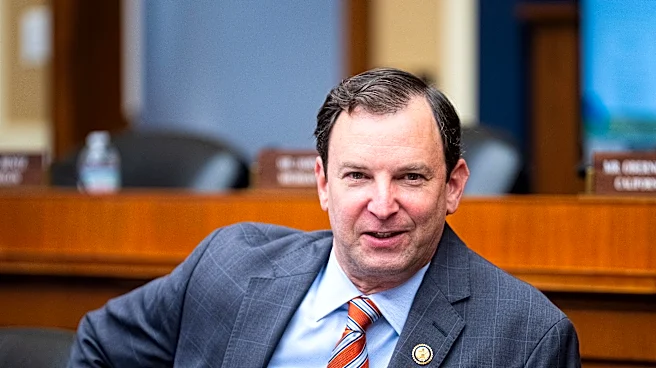
Representative Eugene Vindman has introduced the “Families Fly Together Act,” a bill designed to ensure that commercial airlines in the U.S. seat children under 13 with a parent or guardian at no additional cost. This legislative effort comes ahead of
the busy holiday travel season. The proposed measure would prohibit airlines from separating eligible families due to their choice not to purchase premium seats. It also mandates that airlines offer family seating options during the booking process. Furthermore, the bill directs the Department of Transportation to establish enforcement mechanisms and penalties for non-compliance, aiming to standardize family seating policies across the airline industry and alleviate a common source of stress for traveling families.
Why It's Important?
The introduction of the “Families Fly Together Act” addresses a significant consumer issue that impacts millions of American families traveling by air. Current airline practices often lead to families being separated or forced to pay extra fees to sit together, creating financial burdens and unnecessary stress, especially for those traveling with young children. This bill seeks to establish a federal standard, ensuring that family unity during air travel is a right, not a premium service. If passed, it would alleviate a common point of contention between passengers and airlines, potentially improving the overall travel experience for families and reducing instances of in-flight disruptions caused by separated children. It also reflects a legislative effort to regulate airline practices that are perceived as exploitative or unfair to consumers.
What's Next?
The “Families Fly Together Act” will now proceed through the legislative process in the House of Representatives. It will likely be referred to relevant committees for review, debate, and potential amendments. Given the bipartisan appeal of consumer protection issues, especially those affecting families, the bill may garner support from across the aisle. If it passes the House, it would then move to the Senate for consideration. The Department of Transportation would be tasked with developing specific regulations and enforcement protocols should the bill become law. Airlines would need to adjust their booking systems and seating policies to comply, which could involve significant operational changes and potential financial implications for carriers that currently charge for family seating.
Beyond the Headlines
This legislation touches upon broader themes of consumer rights and government intervention in private industry practices. The airline industry has faced increasing scrutiny over various fees and charges, and this bill represents another step towards regulating what some view as excessive or unfair practices. Beyond the immediate impact on families, the act could influence how airlines structure their pricing models and seat allocation strategies. It also highlights the ongoing tension between airline profitability and passenger convenience and comfort. The debate around this bill may also bring to light other areas where consumer protections in the travel industry could be strengthened, potentially leading to further legislative actions aimed at improving the passenger experience.