





What's Happening?
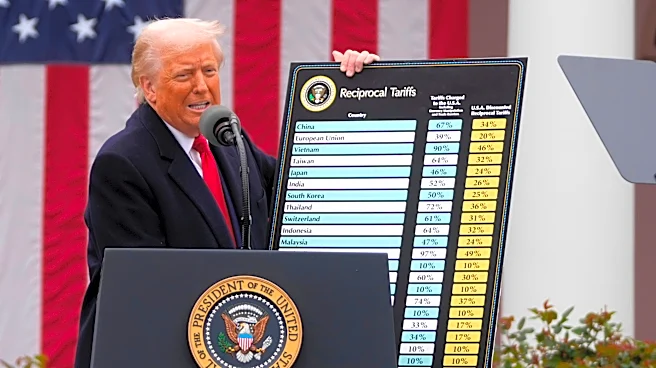
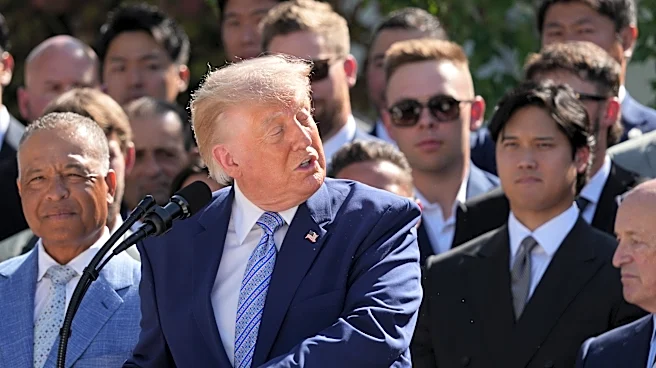
The Trump administration is set to impose new tariffs of 10% and 12.5% on 60 trading partners, including the European Union, due to allegations of inadequate enforcement of forced labor bans. This move coincides with the expiration of a temporary 10% global
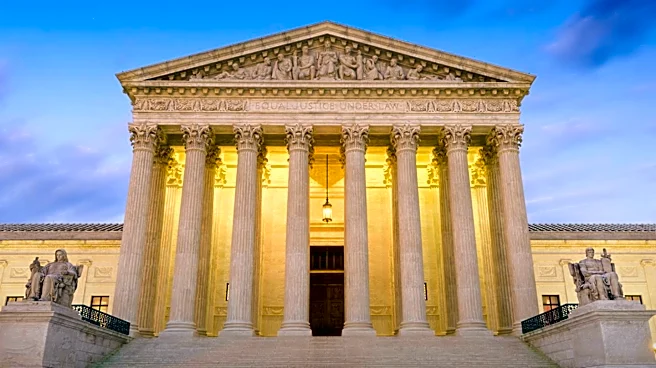
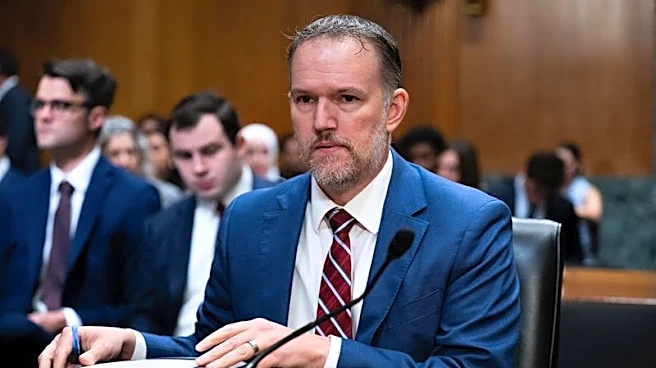
tariff. The new tariffs are part of President Trump's broader trade policy strategy, following a Supreme Court ruling that struck down previous reciprocal duties. The U.S. Trade Representative, Jamieson Greer, emphasized the need for trading partners to enforce similar bans on forced labor, which the U.S. has rigorously implemented for nearly a century.
Why It's Important?
The imposition of these tariffs could have significant economic implications, potentially affecting international trade relations and the global supply chain. By targeting forced labor practices, the U.S. aims to level the playing field and address human rights concerns. However, the tariffs may also lead to increased costs for consumers and businesses, as well as potential retaliatory measures from affected countries. The move underscores the ongoing tensions in global trade and the challenges of balancing economic interests with ethical considerations.
What's Next?
As the new tariffs take effect, affected countries may seek to negotiate with the U.S. to mitigate the impact or challenge the measures through international trade bodies. Businesses and industries reliant on imports from these countries will need to assess the potential cost increases and adjust their strategies accordingly. The U.S. Congress and trade experts will likely continue to debate the effectiveness and consequences of using tariffs as a tool for enforcing labor standards.