




What's Happening?
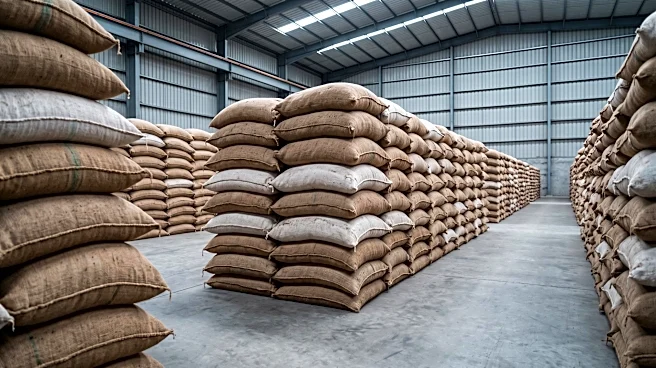
The Bureau of Customs (BOC) in Zamboanga City has destroyed P87.6 million worth of smuggled rice and sugar. According to BOC district collector Manuel Zurbito, the contraband included over 1.2 million tons of rice and 65,250 tons of sugar, contained in 37,037
and 1,305 sacks, respectively. These goods were seized during anti-smuggling operations conducted in 2019, 2021, and 2024, and were recently forfeited after legal processes were completed. The Department of Agriculture certified the goods as unfit for commerce and human consumption, based on the recommendation of the Bureau of Plant Industry. The destruction, which took place in Barangay Manicahan, was witnessed by officials and representatives from various agencies including the Philippine National Police, Philippine Navy, Philippine Coast Guard, National Bureau of Investigation, and the Commission on Audit.
Why It's Important?
The destruction of such a significant quantity of smuggled goods underscores the government's commitment to combating illegal trade and protecting public health. Smuggled agricultural products, particularly those deemed unfit for consumption, pose serious health risks to consumers. By destroying these items, authorities prevent them from entering the market and potentially causing illness or other adverse effects. Furthermore, this action serves as a deterrent to smuggling activities, which not only undermine legitimate businesses and local farmers but also result in substantial revenue losses for the government. The involvement of multiple law enforcement and oversight agencies in witnessing the destruction highlights a coordinated effort to ensure transparency and accountability in the handling of confiscated goods.
What's Next?
The Bureau of Customs is expected to continue its intensified anti-smuggling operations across the country, particularly for agricultural products. This event may lead to increased scrutiny at ports and borders to prevent similar incidents. The government will likely continue to emphasize the importance of inter-agency cooperation to strengthen enforcement efforts and streamline legal processes for the forfeiture and destruction of contraband. There may also be further public awareness campaigns to educate consumers about the dangers of purchasing smuggled or uncertified goods. The focus will remain on protecting local industries, ensuring food safety, and upholding the rule of law against illicit trade networks.
Beyond the Headlines
This incident highlights the persistent challenge of agricultural smuggling, which often involves complex networks and significant financial incentives. Beyond the immediate economic impact, the influx of unfit goods can erode public trust in food safety regulations and government oversight. The destruction of these items, while necessary, also points to the broader issue of waste management for large quantities of confiscated goods. It raises questions about the effectiveness of current border controls and the need for more sophisticated methods to detect and intercept contraband before it reaches such volumes. The long-term implications include potential shifts in consumer behavior towards more trusted sources and increased pressure on policymakers to implement more robust trade policies and enforcement mechanisms.