
What's Happening?
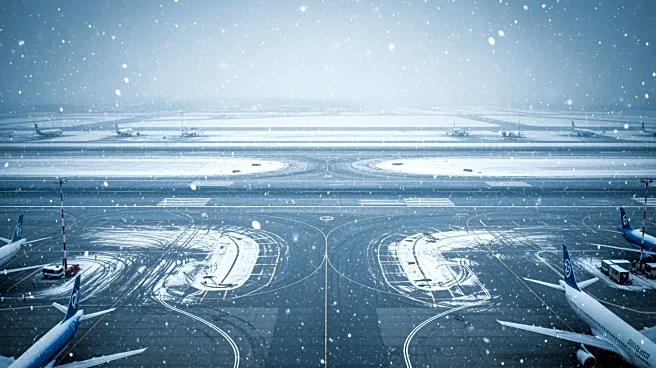
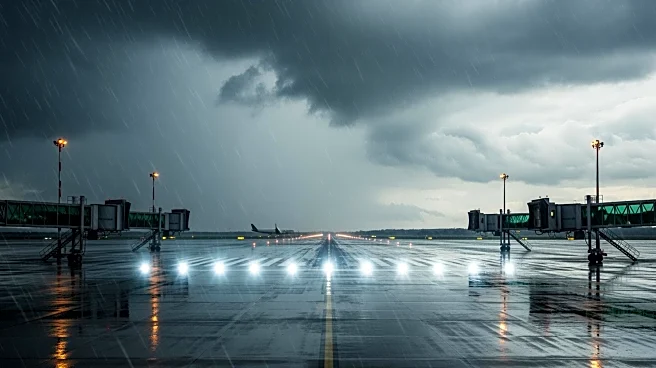
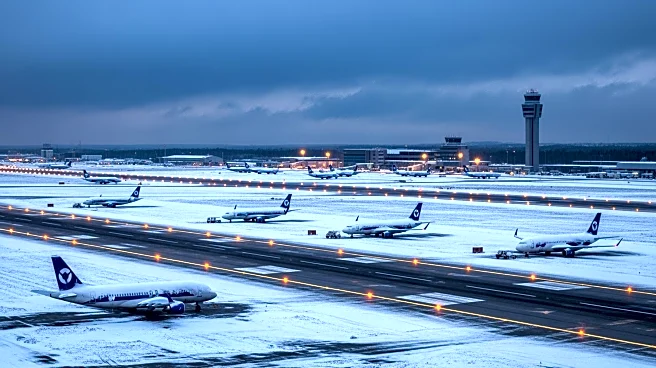
A severe winter storm has caused widespread flight cancellations and delays across major U.S. airports, including those in New York, Chicago, and Atlanta. According to FlightAware, a flight tracking website, there were 9,112 flight delays and 4,763 cancellations by
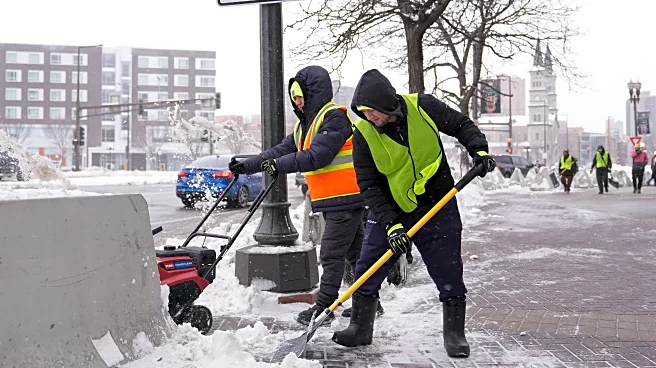
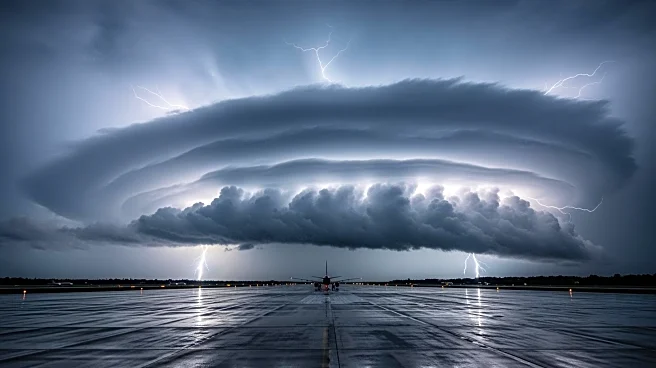
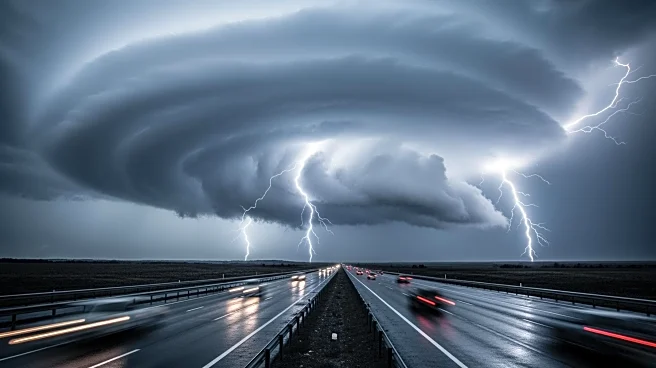
late afternoon. The storm, which has brought up to 36 inches of snow to the Midwest, is now affecting the East Coast with high winds and potential tornadoes. The National Weather Service has issued warnings for severe weather from southern Pennsylvania to central South Carolina. Compounding the travel chaos is a partial government shutdown affecting the Department of Homeland Security, which includes the Transportation Security Administration (TSA). This has led to staffing shortages as TSA workers miss paychecks, with over 300 agents reportedly quitting since the shutdown began.
Why It's Important?
The combination of severe weather and a government shutdown is significantly impacting air travel and security operations across the U.S. The flight disruptions affect not only travelers but also the broader economy, as delays and cancellations can lead to financial losses for airlines and related industries. The TSA staffing shortages exacerbate security concerns, potentially leading to longer wait times and increased stress for travelers. The situation highlights the vulnerability of critical infrastructure to both natural and political disruptions, emphasizing the need for robust contingency planning. The ongoing government shutdown also underscores the financial precarity faced by federal employees, who are forced to cope with missed paychecks and job insecurity.
What's Next?
As the storm continues to move across the country, further flight disruptions are expected. Travelers are advised to check flight statuses and arrive at airports well in advance. The government shutdown remains unresolved, with TSA workers and other federal employees awaiting back pay once it concludes. The situation may prompt discussions among lawmakers about measures to protect federal workers' pay during shutdowns. Additionally, airports and airlines may need to reassess their emergency response strategies to better handle simultaneous weather and political crises.
Beyond the Headlines
The current crisis may lead to long-term changes in how the U.S. manages its air travel infrastructure and federal workforce policies. The repeated government shutdowns highlight the need for legislative solutions to prevent federal employees from being used as leverage in political disputes. Moreover, the increasing frequency of severe weather events due to climate change may necessitate more resilient infrastructure and emergency preparedness plans. The situation also raises ethical questions about the treatment of essential workers and the responsibilities of government and industry leaders to ensure their well-being.