




What's Happening?
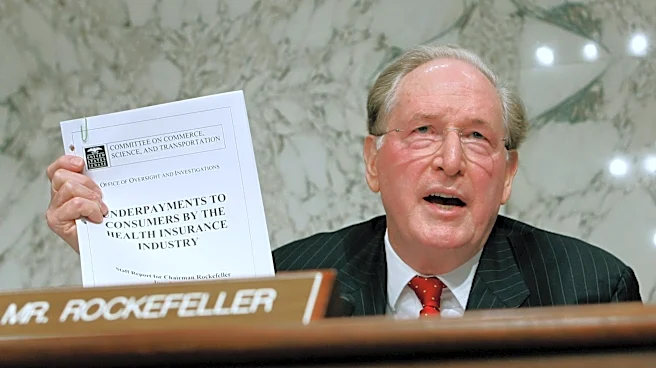
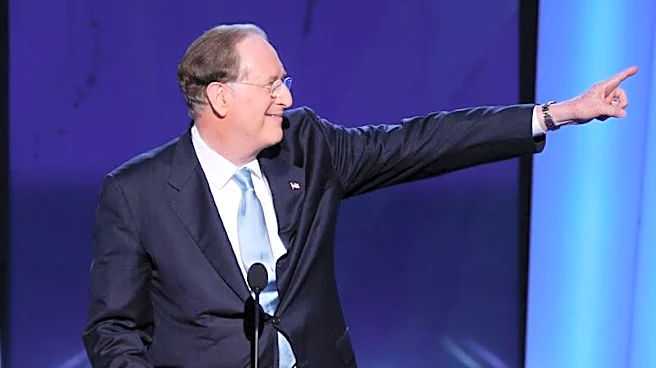
Governor Patrick Morrisey of West Virginia issued a statement following the passing of former West Virginia Governor and U.S. Senator Jay Rockefeller, who died at the age of 89. Governor Morrisey highlighted Rockefeller's nearly five decades of public
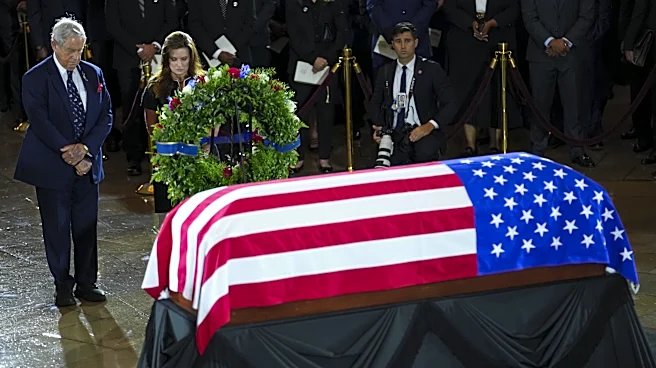
service, which included two terms as governor and 30 years representing West Virginia in the U.S. Senate. Morrisey acknowledged Rockefeller's dedication to the state and its people, particularly his work in healthcare, supporting coal miners and their families, veterans, and struggling communities. In a separate proclamation, Governor Morrisey ordered American and West Virginia flags at the state Capitol and all state-owned facilities to be lowered to half-staff through sunrise on Friday, November 13, in honor of Rockefeller. Other Republican leaders, including Senator Shelley Moore Capito and Senator Jim Justice, also offered tributes, emphasizing Rockefeller's commitment to West Virginia despite political differences.
Why It's Important?
The passing of former Senator Jay Rockefeller marks the end of an era for West Virginia politics, prompting bipartisan tributes that underscore the enduring impact of long-serving public figures. Governor Morrisey's statement, alongside those from other Republican leaders, highlights a moment of unity across party lines in a state that has seen significant political shifts. Rockefeller's legacy, particularly his efforts in healthcare, support for coal miners, and economic development initiatives like bringing Toyota to West Virginia, continues to influence the state's social and economic fabric. His work on the Children's Health Insurance Program and rural broadband also demonstrates a lasting national impact. The collective remembrance by current leaders emphasizes the importance of public service and the potential for individuals to leave a profound mark on their communities and the nation, transcending partisan divides.
What's Next?
The period of mourning and official tributes for former Senator Jay Rockefeller will continue, with flags remaining at half-staff until November 13. This event may prompt further reflection on Rockefeller's policy contributions and their ongoing relevance to West Virginia and national issues. Political leaders and community organizations may use this moment to revisit discussions on healthcare access, support for industrial workers, and economic development strategies, areas where Rockefeller made significant contributions. The bipartisan nature of the tributes could also foster a temporary period of political unity, potentially influencing future legislative discussions or public discourse in West Virginia. Memorial services and public commemorations are likely to be held, further solidifying his place in the state's history.
Beyond the Headlines
The bipartisan outpouring of respect for former Senator Jay Rockefeller, particularly from Republican leaders in a predominantly Republican state, offers a deeper insight into the evolving nature of political discourse and historical memory. It suggests that while political landscapes change, the legacy of dedicated public service can transcend partisan divides. Rockefeller's journey from a prominent wealthy family to a VISTA volunteer in Appalachia, and his subsequent long career in public service, highlights a commitment to community that resonates beyond policy specifics. This event could serve as a reminder of the value placed on long-term dedication to a state and its people, potentially influencing how future generations of politicians are perceived and remembered, emphasizing impact over party affiliation in historical narratives.