
What's Happening?
The City of Green Bay officially broke ground on the Fire Station Flats project, a new development located on the former Badger Sheet Metals property at the 400 block of S. Broadway. Green Bay Mayor Eric Genrich, alongside project partners, marked the commencement
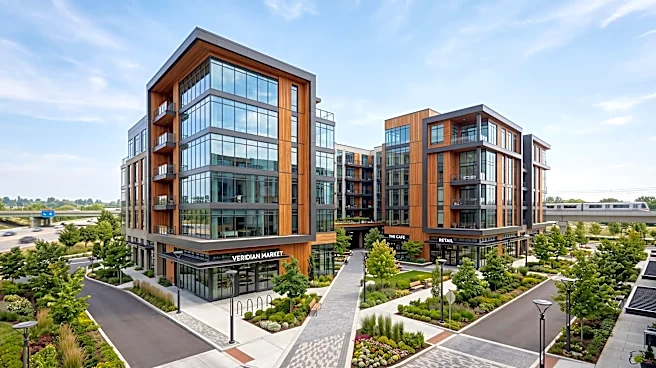
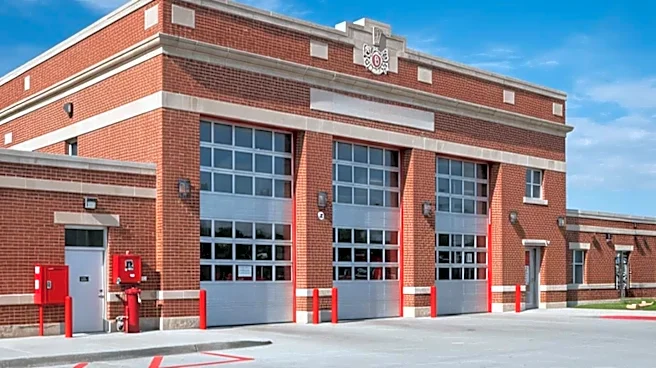
of construction for this significant urban renewal initiative. The Fire Station Flats will introduce 85 new apartments designed for households earning between 30% and 80% of the area's median income, addressing a critical need for affordable housing in the city. In addition to residential units, the development will also house the new headquarters for the Green Bay Metro Fire Department, with construction slated to begin next spring. The five-story building is planned to incorporate community and retail spaces on its ground floor, aiming to create a vibrant mixed-use environment. Mayor Genrich expressed enthusiasm for the project, highlighting the crucial role of affordable housing and the collaborative support received from federal and city entities in bringing this vision to fruition.
Why It's Important?
This development is important for Green Bay as it directly addresses the growing demand for affordable housing, a challenge faced by many U.S. cities. By providing 85 apartments for various income levels, Fire Station Flats aims to enhance housing accessibility for a significant portion of the local population, contributing to economic stability and social equity. The integration of the new Green Bay Metro Fire Department headquarters within the same complex signifies a strategic urban planning approach, potentially improving emergency response times and operational efficiency for the fire department. Furthermore, the inclusion of community and retail spaces on the first floor is expected to foster local economic activity and create a more dynamic neighborhood hub. This project represents a model for urban redevelopment that combines essential public services with residential and commercial components, potentially serving as a blueprint for future city planning initiatives focused on community well-being and sustainable growth.
What's Next?
Following the groundbreaking, construction on the Fire Station Flats will proceed, with the residential and retail components expected to take shape over the coming months. The next significant phase will be the commencement of construction for the Green Bay Metro Fire Department headquarters, scheduled for next spring. As the project advances, the city will likely focus on coordinating the various construction phases to minimize disruption to the surrounding area. Future steps will also involve the allocation and occupancy of the affordable housing units, which will require a structured application and selection process for eligible households. The development's progress will be closely monitored by city officials and project partners, with ongoing updates expected regarding construction milestones and eventual completion. The successful integration of residential, commercial, and public service elements will be a key focus as the project moves towards its operational phase.
Beyond the Headlines
The Fire Station Flats project extends beyond its immediate construction goals, signaling a broader commitment by Green Bay to revitalizing urban spaces and addressing socio-economic needs. This development could serve as a catalyst for further investment and redevelopment in the surrounding Broadway area, potentially attracting new businesses and residents. The emphasis on affordable housing also highlights a growing trend in urban planning to create inclusive communities that cater to diverse income levels, counteracting gentrification pressures often seen in revitalized districts. Ethically, the project underscores the city's responsibility to provide essential services and housing opportunities for all its citizens. Legally, such mixed-use developments often involve complex zoning and funding mechanisms, showcasing innovative public-private partnerships. Culturally, the transformation of an old industrial site into a modern, multi-functional complex reflects an evolving urban landscape that prioritizes community well-being and sustainable growth.