
What's Happening?
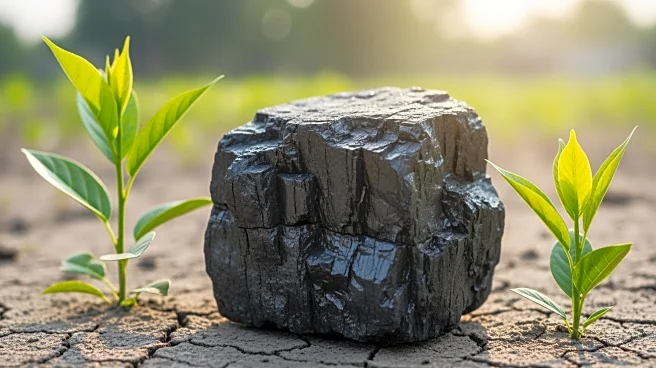
The Czech Republic has officially ceased black coal mining operations, closing its last mine as part of a transition to greener energy sources. The state mining company OKD announced the closure, aligning
with the country's plan to eliminate coal mining by 2030. This decision is part of a broader European Union initiative to reduce fossil fuel dependency and emissions. The closure has resulted in significant job cuts, with OKD reducing its workforce to fewer than 700 employees. The move has been welcomed by environmentalists as a positive step towards meeting EU emission targets.
Why It's Important?
The cessation of black coal mining in the Czech Republic marks a significant shift in the country's energy policy, reflecting a broader European trend towards sustainable energy. This transition is crucial for meeting EU climate goals and reducing carbon emissions. However, it also poses economic challenges, particularly in regions dependent on coal mining for employment. The reduction in workforce highlights the need for economic diversification and retraining programs to support affected workers. The shift also underscores the growing importance of renewable energy sources in the global energy landscape.
What's Next?
As the Czech Republic moves away from coal, the focus will likely shift towards developing renewable energy infrastructure and technologies. This transition may involve increased investment in solar, wind, and nuclear energy to compensate for the loss of coal-generated power. The government may also need to implement policies to support workers transitioning from the coal industry to new sectors. Additionally, the closure of coal mines could lead to increased collaboration with other EU countries to share best practices and technologies in renewable energy development.