







What's Happening?
NASA is preparing to launch the Space Reactor-1 Freedom mission, the first interplanetary spacecraft powered by a nuclear fission reactor. Scheduled for a late 2028 launch, this mission aims to showcase nuclear electric propulsion in deep space, supporting
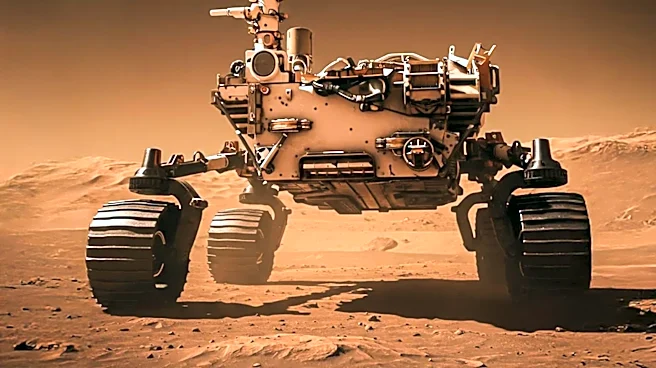
future missions to Mars and beyond. The spacecraft will carry the SkyFall payload, which includes three Mars helicopters designed to collect scientific data and scout potential human landing sites. This mission is part of NASA's broader efforts to develop technologies for future space exploration, including surface power systems for the Moon and Mars.
Why It's Important?
The Space Reactor-1 Freedom mission represents a significant advancement in space exploration technology, particularly in the use of nuclear power for propulsion. This could lead to more efficient and longer-duration space missions, potentially reducing costs and increasing the feasibility of human exploration of Mars and other distant destinations. The mission also aims to establish a domestic nuclear-space industrial base, which could secure American leadership in space exploration and stimulate economic growth in related industries.
What's Next?
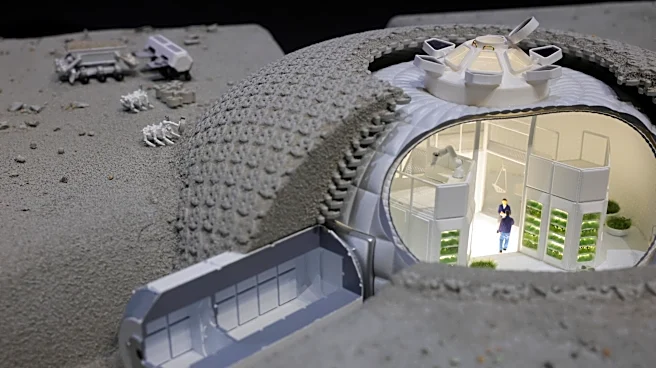
Following the launch of Space Reactor-1 Freedom, NASA plans to use the insights gained to inform the development of Lunar Reactor-1, a fission surface power system for the Moon. This will help maintain operations at NASA's Moon Base during periods of darkness and in areas where solar power is insufficient. The success of these missions could pave the way for permanent lunar outposts and further human exploration of Mars.