





What's Happening?
Russia has issued a threat to the United Kingdom, accusing it of escalating the conflict in Ukraine. This follows reports that British-made drones were allegedly used by Ukraine to conduct strikes deep within Russian territory. The Russian Embassy in London
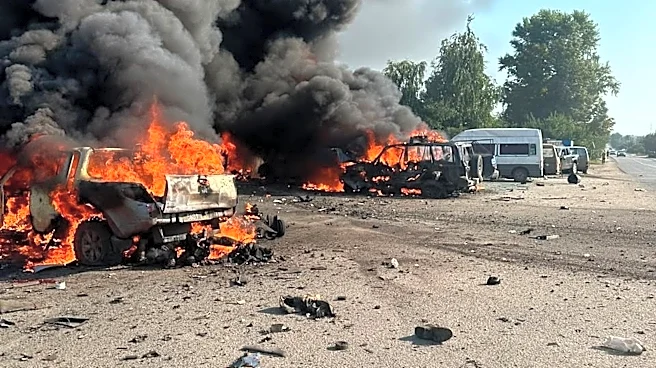
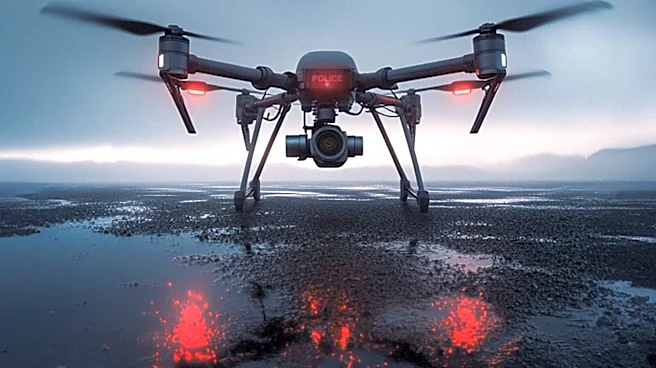
stated that the UK is an 'accomplice and co-perpetrator' in Ukrainian attacks and warned that the deeper the UK's involvement and support for Kyiv's 'terrorist machinery,' the higher the price it will pay. These warnings come after a Sunday Times report indicated that drones manufactured by two British defense companies were utilized by Kyiv against Russian military and industrial targets. One of the manufacturers is reportedly linked to BAE Systems, while the other remains unidentified for security reasons. The UK Ministry of Defence has not yet commented on these specific allegations. Since Russia's full-scale invasion in February 2022, London has been a significant military supporter of Kyiv, providing approximately £25 billion ($33 billion) in assistance, with £16 billion allocated to military aid.
Why It's Important?
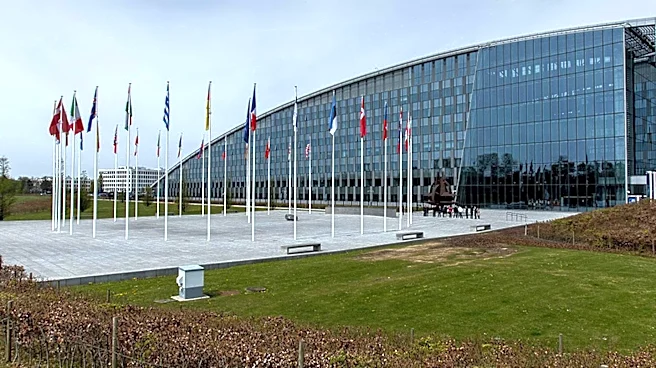
This development signifies a potential escalation in the geopolitical tensions surrounding the conflict in Ukraine, directly involving a major NATO member. Russia's explicit threats against the UK could lead to increased diplomatic friction and potentially broader international repercussions. The alleged use of British-made drones in strikes on Russian soil blurs the lines of direct involvement for supporting nations, raising questions about the extent of responsibility and potential retaliation. For the U.S. and its allies, this situation underscores the delicate balance between providing military aid to Ukraine and avoiding direct confrontation with Russia. It also highlights the evolving nature of modern warfare, where drone technology allows for long-range strikes, impacting the security calculus for all parties involved. The incident could prompt a re-evaluation of military aid strategies and the types of equipment supplied to Ukraine, as well as a heightened focus on intelligence sharing and defensive measures.
What's Next?
The immediate next steps will likely involve responses from the UK government regarding Russia's accusations and threats. The UK Ministry of Defence may issue a statement addressing the allegations about British-made drones. International bodies and allies, including the U.S., will be closely monitoring the situation for any further escalation. There could be increased diplomatic pressure from Russia on the UK and other Western nations to cease or limit military aid to Ukraine. Conversely, Ukraine may continue its strategy of targeting Russian military and industrial facilities, potentially leading to more such incidents and further Russian warnings. The incident could also prompt discussions within NATO about collective defense strategies and responses to perceived provocations. The long-term implications might include a re-evaluation of export controls on military technology and a heightened focus on cybersecurity and counter-drone measures.
Beyond the Headlines
Beyond the immediate diplomatic and military implications, this incident touches upon the complex ethical and legal dimensions of proxy warfare and the transfer of military technology. The use of drones, particularly those with components from third-party nations, raises questions about accountability for actions taken by the recipient country. It also highlights the challenge of maintaining a clear distinction between providing defensive aid and becoming a direct participant in a conflict. The 'price' Russia warns the UK will pay could manifest in various forms, including cyberattacks, economic sanctions, or increased military posturing, potentially impacting global stability. This situation also underscores the psychological warfare aspect of international relations, where threats and accusations are used to influence public opinion and deter further support for adversaries. The incident could set precedents for how nations respond to the use of their military technology in foreign conflicts, potentially shaping future international law and norms regarding military aid.