





What's Happening?
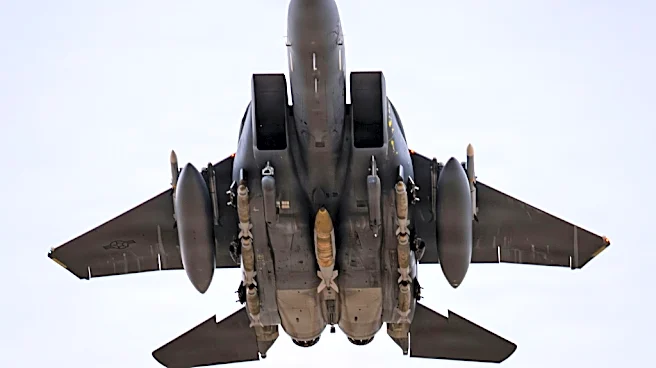
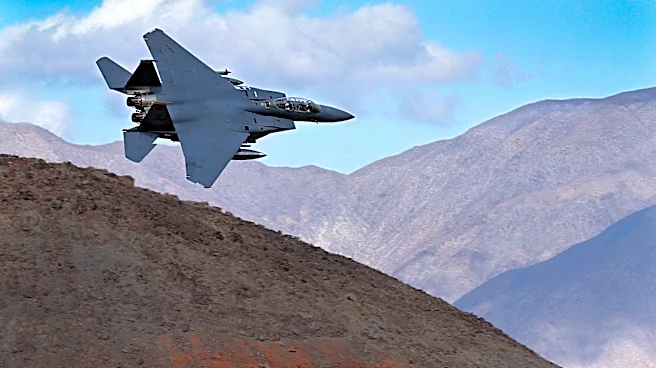
The United States military has experienced significant setbacks in the Middle East with the loss of two combat aircraft. On April 3, an A-10 Warthog attack aircraft crashed near the Strait of Hormuz, and an F-15E Strike Eagle fighter jet was shot down
over Iran. The A-10's pilot was rescued, while a search is ongoing for one of the F-15E's crew members. These incidents come amid heightened tensions, as the US has increased its military presence in the region by deploying additional A-10 aircraft. The Pentagon is reportedly facing a strategic dilemma, with limited targets left in Iran, yet President Trump has ordered continued strikes for three more weeks.
Why It's Important?
The downing of US aircraft in the Middle East underscores the escalating military tensions between the US and Iran. This development could further strain US-Iran relations and impact global oil markets, as Iran continues to block the Strait of Hormuz, a critical passage for oil shipments. The US military's increased presence and continued strikes could lead to further confrontations, potentially drawing in other regional players and affecting global stability. The situation also poses a challenge for US military strategy, as it must balance the risk of further losses against the need to maintain pressure on Iran.
What's Next?
The US military faces a critical decision on whether to continue its current strategy or adjust its approach in the Middle East. The ongoing search for the missing F-15E crew member and the potential for further military engagements could influence US policy decisions. Additionally, the global oil market may react to any further disruptions in the Strait of Hormuz, affecting economic stakeholders worldwide. The international community will likely monitor the situation closely, as any escalation could have far-reaching consequences.