







What's Happening?
The U.S. Department of Agriculture (USDA) Agricultural Research Service (ARS) is offering a research fellowship in Urbana, Illinois, focused on data analytics and plant genetics. This opportunity, which reviews applications on a rolling basis, aims to
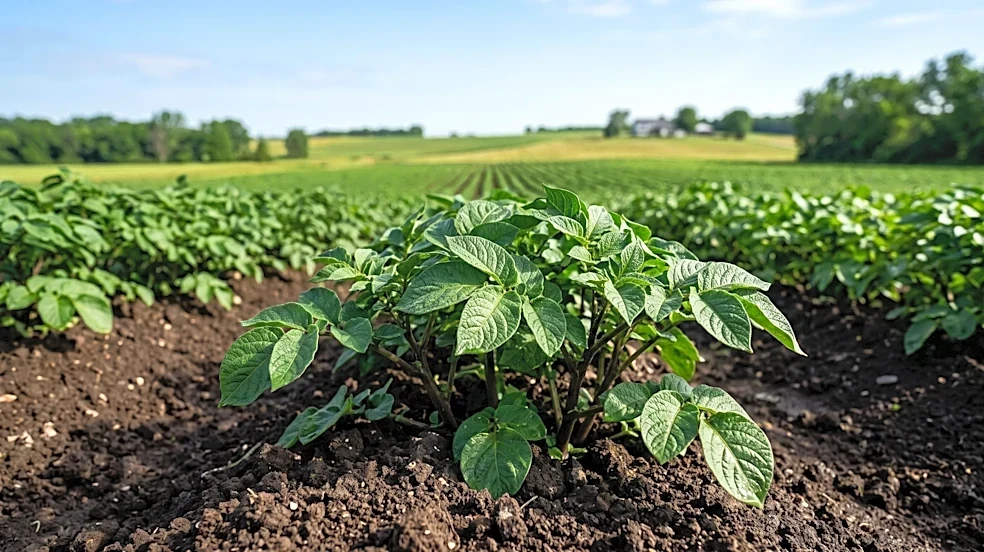
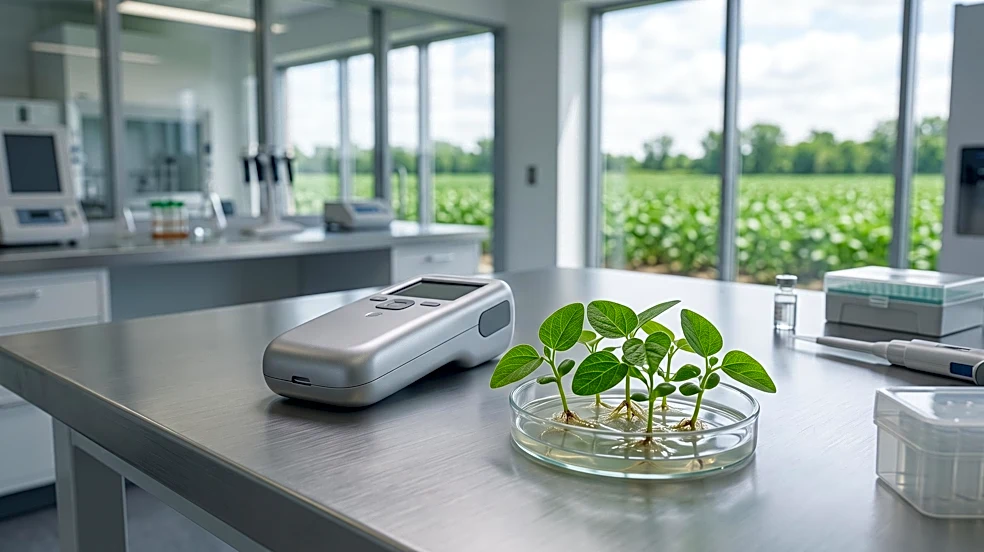
identify genetic and physiological mechanisms driving weed evolution, crop stress tolerance, and breeding improvements. Fellows will analyze genomic, transcriptomic, phenomic, and physiological datasets from crops like corn, snap bean, soybean, and waterhemp to pinpoint genes related to herbicide sensitivity and abiotic-stress resilience. The research involves hands-on experimentation, data processing, and collaboration with ARS scientists and university partners. The program also integrates image-based analytical techniques using satellite and Unmanned Aerial Vehicle (UAV) platforms to enhance phenotyping and support research and development efforts. The fellowship is initially for one year, with potential for renewal, and is open to U.S. citizens.
Why It's Important?
This fellowship is crucial for advancing agricultural science and addressing critical challenges faced by American farmers and the broader food system. By focusing on plant genomics, quantitative genetics, and stress-response biology, the ARS aims to develop innovative solutions for crop improvement and resilience. The identification of genes linked to herbicide sensitivity and stress tolerance can lead to the development of more robust crop varieties, reducing reliance on chemical interventions and improving food security. The integration of advanced imaging technologies, such as satellite and UAV platforms, represents a significant step forward in precision agriculture, enabling more efficient and accurate monitoring of crop performance. This research directly supports the USDA's mission to ensure the nourishment and well-being of all people, sustain agroecosystems, and enhance the economic competitiveness of U.S. agriculture.
What's Next?
The fellowship is accepting applications on a rolling basis, with an anticipated start date in December 2026. Successful applicants will engage in a year-long research appointment, with the possibility of renewal, under the guidance of a mentor. The research outcomes are expected to contribute to a deeper understanding of plant biology and lead to practical applications in agricultural breeding and management. The findings from this research could inform future agricultural policies, crop development strategies, and sustainable farming practices. Continued collaboration between ARS scientists and university partners will likely foster further innovation and knowledge dissemination within the agricultural community, ultimately benefiting farmers, producers, and consumers across the nation.
Beyond the Headlines
The emphasis on data analytics and advanced imaging in this fellowship highlights a broader trend towards data-driven decision-making and technological integration in agriculture. This shift has profound implications for the future of farming, moving towards more precise, efficient, and environmentally sustainable practices. The ability to analyze vast datasets and utilize remote sensing technologies can revolutionize how agricultural problems are identified and solved, potentially leading to significant reductions in resource consumption and environmental impact. Furthermore, by focusing on genetic mechanisms, the research touches upon the ethical considerations surrounding genetic modification and breeding, emphasizing the importance of responsible scientific development. This initiative underscores the long-term commitment to scientific excellence and global leadership in agricultural discoveries, positioning the U.S. at the forefront of agricultural innovation.