


What's Happening?
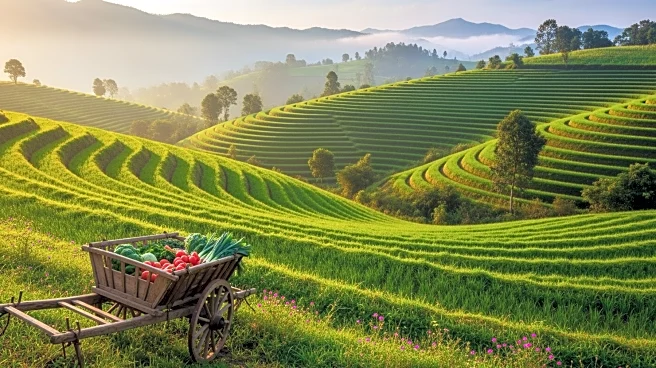
Jiti Village in Chongqing, China, is experiencing a boost in cultural tourism by integrating agriculture, culture, and seasonal flower-themed scenic areas. This rural village has transformed from a seedling base into a cultural tourism hub, attracting
both domestic and international tourists. The village's approach includes showcasing seasonal flowers and incorporating local cultural elements, such as performances and crafts, to create a year-round tourism experience. This strategy not only enhances the village's cultural identity but also supports economic growth by increasing demand for local products and services.
Why It's Important?
The development of cultural tourism in Jiti Village highlights the potential for rural areas to leverage their unique cultural and natural resources to attract tourists. This approach can lead to economic revitalization, job creation, and the preservation of cultural heritage. By focusing on sustainable tourism practices, Jiti Village sets an example for other rural communities seeking to develop their tourism sectors. The success of this model demonstrates the importance of integrating culture and agriculture in tourism strategies, offering a balanced approach to economic development and cultural preservation.
What's Next?
Jiti Village's success may inspire other rural areas in China and beyond to adopt similar strategies, focusing on their unique cultural and natural assets. The village is likely to continue expanding its tourism offerings, potentially exploring new cultural themes and agricultural experiences. As cultural tourism gains momentum, Jiti Village could become a key player in shaping the future of rural tourism in China. The village's approach may also influence policy decisions, encouraging governments to support cultural tourism initiatives that promote sustainable development.