



What's Happening?
After an unusually warm September, the Southern Appalachians are finally experiencing cooler nights and increased rainfall, which East Tennessee State University (ETSU) experts say are crucial for the region's fall foliage. Travis Watson, ETSU's campus
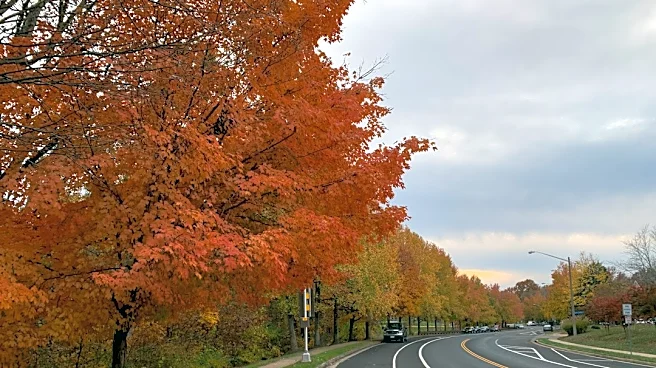
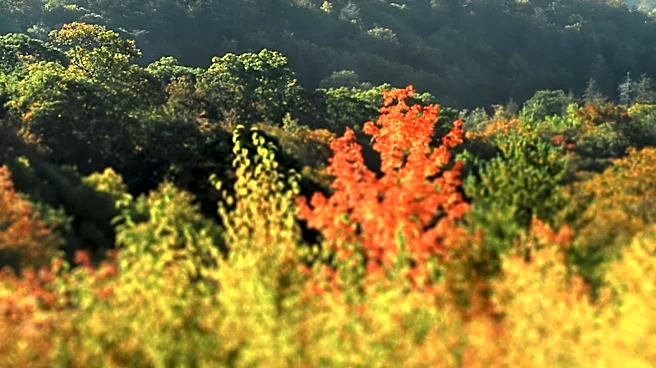
arborist, noted that recent widespread rain has helped replenish groundwater and keep leaves on trees, following a period of hot, dry weather. Dr. Andrew Joyner, Tennessee’s state climatologist and an ETSU professor, confirmed that temperatures are moving closer to seasonal norms, with cooler nighttime temperatures in the 40s and 50s expected. This shift in weather conditions is a welcome change for the development of vibrant fall colors, as prolonged warmth had previously slowed color progression, making the season run approximately a week behind schedule. While some trees are already changing color, Watson cautioned that not all early coloration is seasonal, as drought-stressed trees can also exhibit premature browning and leaf drop.
Why It's Important?
The changing weather patterns and their impact on fall foliage in the Southern Appalachians hold significant importance for the regional tourism industry and local economies. Fall color season is a major draw for visitors, and a vibrant display can lead to increased tourism revenue for businesses in East Tennessee. Conversely, a subdued or delayed fall color season due to adverse weather, such as prolonged drought or heat, can negatively affect visitor numbers and economic activity. The insights from ETSU experts provide valuable information for both residents and tourists planning to experience the region's renowned autumn landscapes. Understanding the factors influencing fall color development, such as temperature and rainfall, allows for better planning and management of tourism-related services and expectations, ensuring that the region can maximize the economic benefits of this natural spectacle.
What's Next?
ETSU experts anticipate that the continued trend of cooler nights and additional rainfall will contribute to a more favorable fall color display in the coming weeks. Weather models indicate a stronger cold front around October 5, which could further enhance the coloration process. While the full effects of this year's conditions are still unfolding, the current move towards wetter, cooler weather offers hope for a good fall color season. Travis Watson advises fall-color enthusiasts to start making travel plans, suggesting that despite some initial delays, the region is still expected to offer impressive foliage. ETSU will continue to publish weekly Fall Color Reports, combining scientific expertise with regional knowledge, to keep the public informed about the progression of the autumn landscapes.
Beyond the Headlines
The detailed monitoring of fall foliage by institutions like ETSU highlights the broader scientific and ecological understanding of natural phenomena. The distinction between normal seasonal color change and drought stress in trees underscores the delicate balance of ecosystems and the visible impacts of climate variations. Drought-stressed trees, which may prematurely shed leaves or exhibit duller colors, serve as indicators of environmental health. This scientific approach not only aids in predicting aesthetic outcomes for tourism but also contributes to long-term ecological studies on how climate change might alter natural cycles. The educational outreach through fall color reports also fosters a deeper appreciation for the natural world and the scientific processes behind its seasonal transformations, encouraging environmental awareness among the public.