
What's Happening?
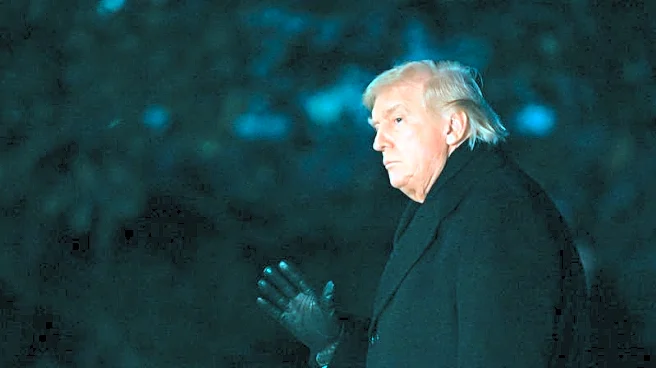
The Trump administration has initiated a significant diplomatic shift by recalling nearly 30 career ambassadors and senior diplomats. This move is part of a broader strategy to realign U.S. foreign policy
under the 'America First' doctrine. John Dinkelman, head of the American Foreign Service Association, reported that ambassadors were instructed to return to Washington by mid-January, although the exact number of recalls remains unspecified. This decision affects U.S. diplomatic representation across various continents, including Africa, East Asia, the Pacific, Europe, and the Western Hemisphere. The recalled ambassadors were initially appointed during former President Joe Biden's tenure. The administration defends the recalls as necessary to ensure alignment with its foreign policy priorities, while critics argue it undermines the continuity and professionalism of the Foreign Service.
Why It's Important?
This recall underscores a shift in U.S. foreign policy towards a more transactional approach, focusing on national interests and great-power competition. The move has significant implications for U.S. diplomatic relations, particularly in regions like Africa, where the U.S. is engaged in counterterrorism efforts and faces competition from China. The recall could lead to gaps in diplomatic leadership, affecting U.S. influence and engagement in these regions. Critics, including Senator Jeanne Shaheen, warn that this could weaken U.S. leadership globally, potentially ceding influence to rivals like China and Russia. The decision reflects a broader trend of prioritizing immediate national interests over long-term global engagement.
What's Next?
The recalled diplomats will return to Washington for reassignment, though they retain their positions within the Foreign Service. The administration will likely appoint new ambassadors who align with its 'America First' agenda. This could lead to further changes in U.S. foreign policy priorities and strategies, particularly in regions where the U.S. faces strategic competition. The impact of these changes on U.S. diplomatic relations and global influence will be closely monitored by policymakers and international observers.