









What's Happening?
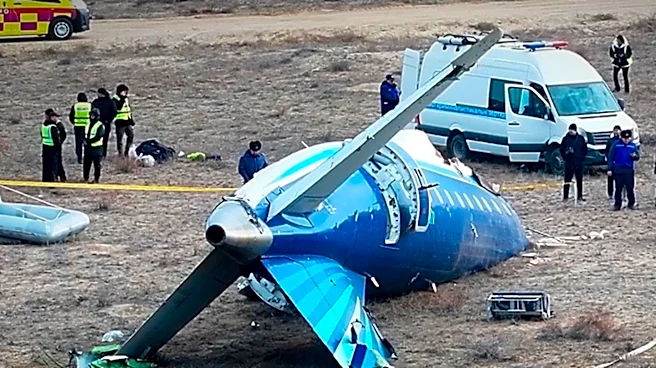
The National Transportation Safety Board (NTSB) has released documents indicating that UPS did not require detailed inspections of a critical engine part that failed, leading to a plane crash. The crash occurred last fall at Louisville's Muhammad Ali
International Airport, resulting in the deaths of three pilots and 12 people on the ground. Boeing had recommended enhanced inspections of the engine pylons, but UPS did not implement these due to Boeing's assurance that the failure would not compromise flight safety. The NTSB's investigation highlights a misunderstanding of the risks associated with the engine mount's steel bearing and metal sheath.
Why It's Important?
This incident underscores the critical importance of rigorous maintenance and inspection protocols in aviation safety. The failure to identify and address potential risks can have catastrophic consequences, as demonstrated by the crash. The findings may prompt regulatory changes and increased scrutiny of maintenance practices across the aviation industry. Stakeholders, including airlines, manufacturers, and regulatory bodies, may need to reassess their safety protocols to prevent similar incidents. The case also highlights the shared responsibility among manufacturers, operators, and regulators in ensuring aircraft safety.
What's Next?
The NTSB is expected to release its final report on the crash later this year or early next year. The findings could lead to changes in inspection requirements and maintenance schedules for similar aircraft. UPS has already decided to retire its MD-11 fleet early, while other operators, like FedEx, have resumed flights with enhanced safety measures. The aviation industry may see increased collaboration between manufacturers and operators to improve safety standards and prevent future accidents.