







What's Happening?
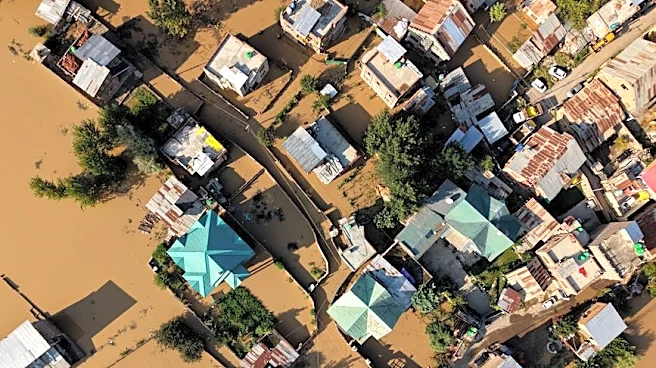
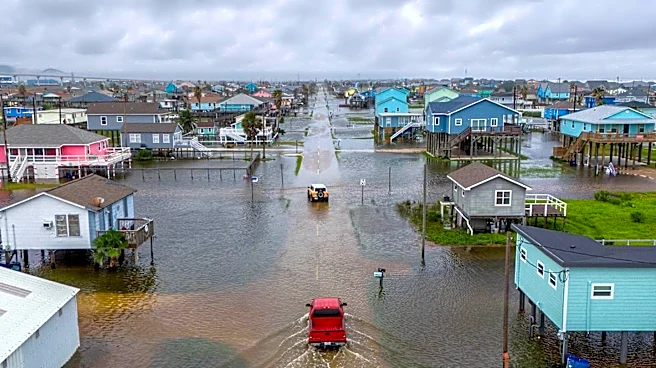
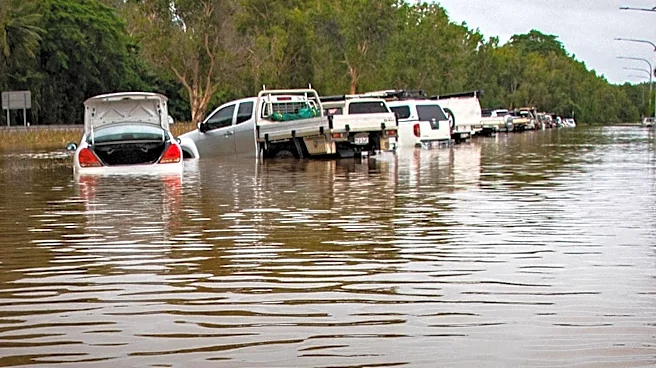
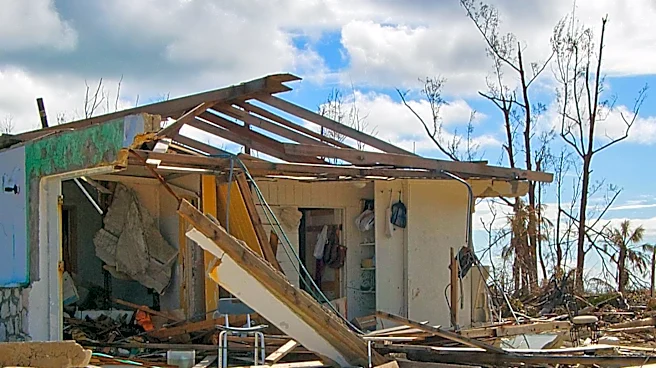
The Texas Hill Country, particularly Kerr County, is grappling with the aftermath of severe flooding that has damaged nearly 500 homes and 100 businesses. This marks the second major flood in the area in just over a year. The recent flooding, which occurred
after heavy rains, resulted in two fatalities across South and Central Texas. The slower pace of rainfall this year, combined with improved alert systems and increased community vigilance, helped mitigate the loss of life compared to previous incidents. Local residents, along with volunteers, are actively engaged in cleanup efforts, removing mud, debris, and water-damaged belongings from affected properties.
Why It's Important?
The flooding in Kerr County underscores the increasing frequency and severity of weather-related disasters in Texas, likely exacerbated by climate change. The damage to homes and businesses not only disrupts the lives of residents but also poses significant economic challenges to the local community. The need for effective disaster preparedness and response strategies is highlighted, as these events can have long-term impacts on infrastructure, housing, and local economies. The situation also raises questions about the adequacy of current flood management systems and the necessity for further investment in resilient infrastructure.
What's Next?
As recovery efforts continue, local authorities and residents will need to assess the effectiveness of current flood prevention measures and consider enhancements to infrastructure and emergency response systems. The community may also seek state and federal assistance to support rebuilding efforts and improve resilience against future flooding. Ongoing discussions about climate adaptation strategies are likely to gain momentum, focusing on sustainable development and improved urban planning to mitigate the impact of such natural disasters.
Beyond the Headlines
The recurring floods in Kerr County highlight broader environmental and policy challenges, including the need for comprehensive climate action plans. The events may prompt a reevaluation of land use policies and encourage the adoption of green infrastructure solutions to manage stormwater more effectively. Additionally, the emotional and psychological toll on affected residents emphasizes the importance of community support systems and mental health resources in disaster recovery processes.