









What's Happening?
A coalition of East Coast states, including Connecticut, Delaware, Maine, New Jersey, New York, Rhode Island, and Vermont, have filed a notice of intent to sue the Trump administration. The lawsuit challenges alleged illegal payoffs made by the administration to energy
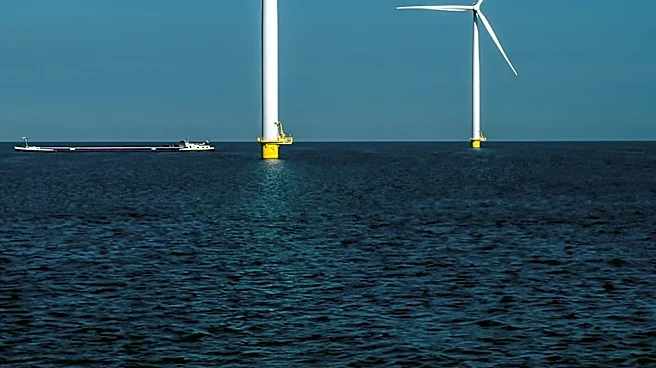
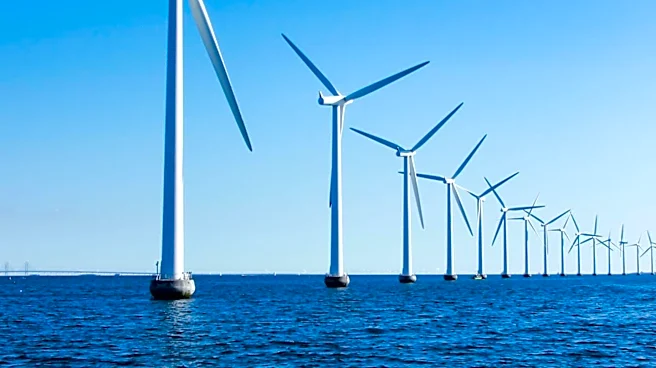
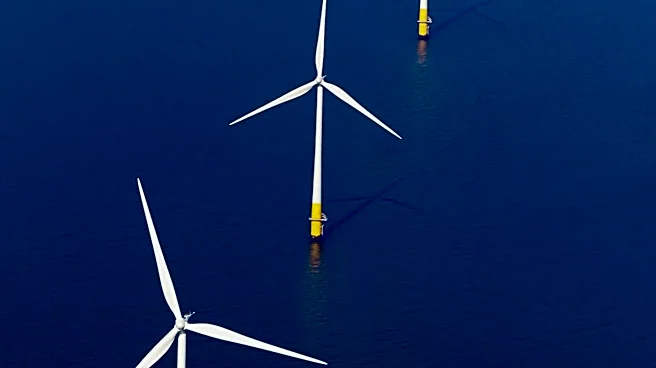
companies Bluepoint and Invenergy. These companies reportedly received nearly $1 billion each to abandon offshore wind projects, which would have provided energy to nearly 3 million homes in New York, New Jersey, and New England. The Trump administration's actions are seen as part of a broader effort to undermine renewable energy initiatives by banning wind projects, issuing stop work orders, and reducing federal investments in clean energy.
Why It's Important?
The lawsuit highlights significant tensions between state governments and the federal administration over energy policy. The alleged payoffs to fossil fuel companies could have far-reaching implications for energy costs and environmental policy. By prioritizing fossil fuels over renewable energy, the administration is accused of driving up energy costs and increasing pollution, which could have detrimental effects on both the economy and the environment. The outcome of this legal challenge could influence future energy policies and the balance between fossil fuel and renewable energy investments in the U.S.
What's Next?
The legal proceedings initiated by these states could lead to a protracted court battle, potentially setting precedents for how federal energy policies are implemented and challenged. The involvement of multiple states suggests a coordinated effort to push back against federal policies perceived as harmful to state interests and environmental goals. The outcome could also impact future federal-state relations in energy policy and influence the direction of U.S. energy strategy.
Beyond the Headlines
This case underscores the ongoing debate over the role of government in energy policy and the transition to renewable energy. It raises questions about the ethical implications of government agreements with private companies that may prioritize short-term economic gains over long-term environmental sustainability. The lawsuit could also prompt a reevaluation of how energy projects are funded and the transparency of such agreements.