







What's Happening?
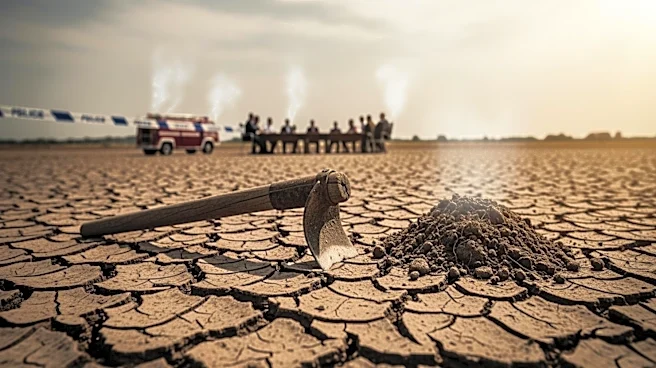
North Carolina is experiencing severe drought conditions that are impacting both agriculture and wildfire management. Recent isolated rain showers have provided minimal relief, with the state needing over 10 inches of rain to significantly reduce wildfire risks.
Agriculture Commissioner Steve Troxler noted that the recent rainfall was insufficient to alleviate drought conditions or reduce wildfire threats. The state has been under an outdoor burning ban since March 28, with the North Carolina Forest Service responding to 1,200 wildfires burning nearly 3,500 acres. The drought has also affected agricultural activities, with April being a critical planting season for crops like corn, soybeans, and cotton.
Why It's Important?
The severe drought in North Carolina poses significant challenges to the state's economy, particularly its agriculture sector, which is a major economic driver. The drought conditions threaten crop yields and could lead to increased costs for farmers, potentially affecting food supply and prices. Additionally, the heightened risk of wildfires endangers both natural resources and human settlements, necessitating increased firefighting efforts and resources. The situation underscores the need for effective water management and disaster preparedness strategies to mitigate the impacts of climate variability on agriculture and public safety.